
It’s that time of year again … thinking about taxes

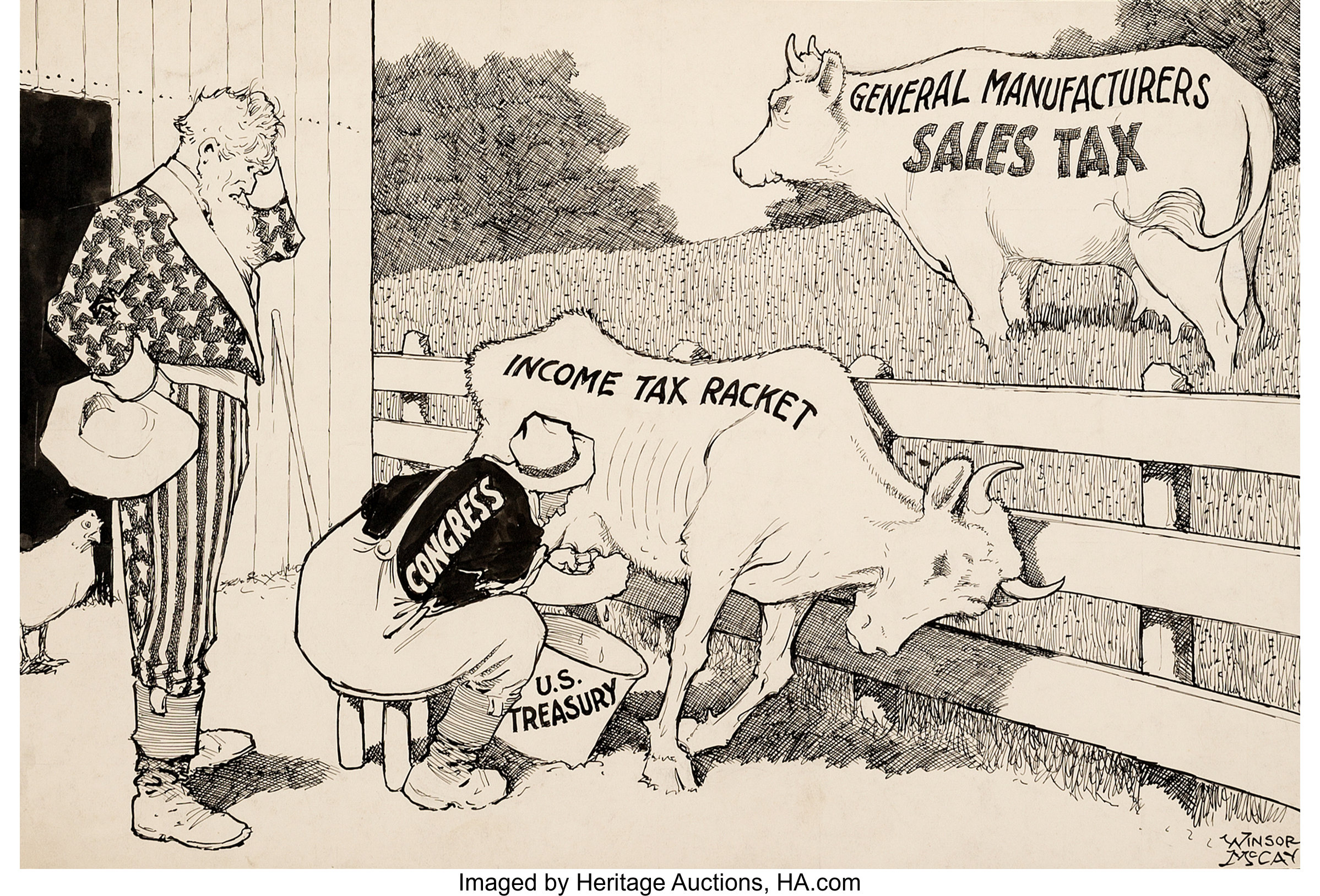
An editorial cartoon by Winsor McCay, circa 1925, protesting Congress “milking” income taxes while ignoring business taxes, sold for $10,800 at a November 2018 Heritage auction.

By Jim O’Neal

U.S. Rep. Schuyler Colfax of Indiana described the issue this way: “The most odious tax we can levy is going to be a tax on land. I cannot go home and tell my constituents that I voted for a bill that would allow a man, a millionaire, who has put his entire property into stock, to be exempt from taxation, while a farmer who lives by his side must pay a tax!” Colfax (1823-1885), who would later become one of only two men (with John Nance Garner) to be both speaker of the house and vice president, had a different proposal: Put a tax on stocks, bonds, mortgages and interest. A de facto income tax.

There was ample precedent for an income tax. England imposed one in 1799 and various states – which relied primarily on estate taxes – had begun taxing income in the 1840s. By 1850, some states had income taxes with high exemptions and low rates that graduated based on the wealth of the taxpayer. They didn’t raise much revenue, but were viewed as a way of taxing any wealth that escaped common real estate taxes. Colfax prevailed and the Ways and Means Committee dropped the property tax and replaced it with “direct taxation upon personal income or wealth.”

The only issues remaining were the constitutional restrictions on direct taxes, except in proportion to population (i.e. different tax rates for different states). The solution was simple. Call the new taxes something other than a direct tax and “impose the burden on the people equally in proportion to their ability to pay.” An amendment was adopted to impose a 3 percent tax on income over $600 a year and a luxury tax on alcohol and luxury goods.

The Senate went one step further with a 5 percent tax on income over $1,000. Eventually, they compromised on 3 percent for income over $800. At last, said The New York Herald, millionaires would contribute a fair proportion of their wealth to the support of the national government. Inequality would soon be a relic of the past and every man would pay according to his ability!

The time was early 1862 and Secretary of the Treasury Salmon Portland Chase realized he had grossly underestimated the cost of the Civil War. After the embarrassment at Bull Run and a reassessment of Gen. George McClellan’s preference to train his troops rather than engage the South in battle, a new estimate of the first year’s cost was a staggering $530 million. Chase doubted that merely labeling the new income tax an “indirect tax” was constitutional. More importantly, Congress had neglected to establish any means for collecting or enforcement of the new tax. The decision was made to view the tax legislation as simply a recommendation and everyone conveniently ignored it.

However, this left the Treasury with an urgent need to start borrowing money to fund the war effort and the challenge was growing more daunting each day. Treasury funds were facing a virtual depletion in a matter of weeks and American banks were adamant that the Union raise taxes rather than expect more loans. Without new revenues, the Union was in peril and the urgency was significant. President Lincoln found it convenient to cede authority to Chase and plead ignorance whenever the issue of finance was raised.

An earlier gambit in late 1861 to raise $150 million through a consortium of banks had failed when debt instruments were only partially subscribed to and government gold supplies were totally inadequate to cover the mounting financial needs. Trapped without any viable traditional options, Lincoln and Chase broke with longstanding traditions and accepted the idea to simply print the money needed. Congress passed the Legal Tender Act of 1862, turned on the printing presses and cranked out $150 million that the government declared as legal tender for private and public debts. An important proviso of the new “green backs” was that they were not redeemable for gold or silver and not for payment of customs duty or federal bonds and notes.

Most estimates for the cost of the war (1861-65) range from $6.2 billion for the Union and at least $2 billion for the South. These little wars can become very expensive if allowed to continue … a lesson we have learned once again in the Middle East (estimated at $80 billion “tops” … to actual $3 trillion and growing). But if you own a printing press, no problem.

In 1894, Congress tried to introduce an income tax of 2 percent on earnings over $4,000, but the Supreme Court ruled it unconstitutional. Income tax would not become a regular part of everyday life until 1914. However, once it did, the battles over taxes versus government spending (and who should pay) has become de rigueur.

“Don’t tax you. Don’t tax me. Tax that guy behind the tree.”
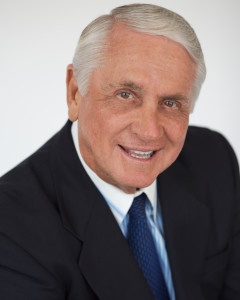
Intelligent Collector blogger JIM O’NEAL is an avid collector and history buff. He is president and CEO of Frito-Lay International [retired] and earlier served as chair and CEO of PepsiCo Restaurants International [KFC Pizza Hut and Taco Bell].
What would you do if you saw your obituary?

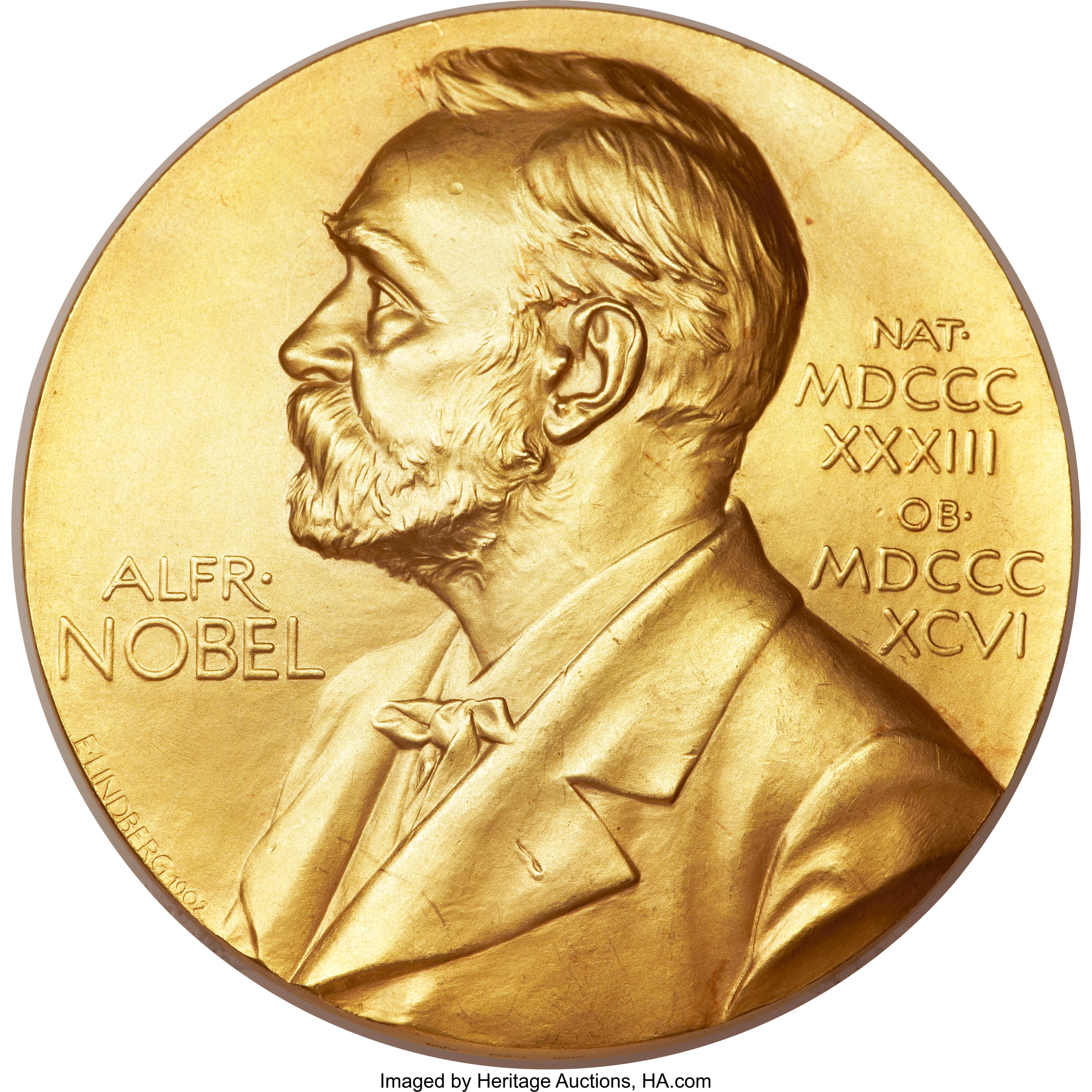
Francis H.C. Crick’s Nobel Prize Medal and Nobel Diploma, awarded in 1962 for his work related to DNA molecules, sold for $2.27 million at an April 2013 Heritage auction.

By Jim O’Neal

In 1888, a French newspaper published Alfred Nobel’s obituary with the following title: “Le marchand de la mort est mort” or “The merchant of death is dead.”

In reality, it was actually his brother Ludvig who had died, but Alfred was appalled that this kind of sendoff could tarnish his own professional legacy. One presumes that the only error was the mix-up in names since the sobriquet seemed apt given Alfred’s contributions to the effectiveness of substances that resulted in death.

In a complicated maneuver, the inventor of dynamite attempted to rectify future obits by posthumously donating the majority of his estate (94 percent) to the establishment of the Nobel Prizes, designed to expunge his reputation for all the deaths resulting from his explosive product. It was only partially successful since he was accused of treason against France for selling Ballistite (a smokeless propellant composed of two explosives) to Italy. The French forced him to leave Paris and he moved to Sanremo, Italy, where he died in 1896. There were five Nobel categories with an emphasis on “peace” … for obvious reasons.

A native of Stockholm, Nobel made a fortune when he invented dynamite in 1867 as a more reliable alternative to nitroglycerin. As a chemist and engineer, he basically revolutionized the field of explosives. Some accounts give him credit for 355 inventions. In 1895, a year before his death, he signed the final version of his will, which established the organization that would bear his name and “present prizes to those who, during the preceding year, shall have conferred the greatest benefit to mankind.”

Nobel’s family contested the will and the first prizes were not handed out until 1901. Among the first winners were German physicist Wilhelm Conrad Röntgen, who discovered X-rays, and German microbiologist Emil Adolf von Behring, who developed a treatment for diphtheria. The Nobel Prizes were soon recognized as the most prestigious in the world. Except for war-related interruptions, prizes have been awarded virtually every year. The category of economics was added in 1969.

The first American to receive a Nobel was President Theodore Roosevelt, who garnered the prize in 1906 after he helped mediate an end to the Russian-Japanese war. The German-born American scientist Albert Michelson claimed the physics prize the next year. However, the peace and literature prizes would become the most familiar to Americans and are some of the most controversial. Critics voiced concerns over Roosevelt, Woodrow Wilson (1919), George Marshall (1953) and Secretary of State Henry Kissinger (1973). More recently, winners have included Al Gore (2007) for making an Oscar-winning documentary on climate change, and Barack Obama (2009) “for his extraordinary efforts to strengthen international diplomacy and cooperation between peoples.” (for more, see Obama’s Wars by Bob Woodward).

William Faulkner, Ernest Hemingway, John Steinbeck and Toni Morrison generally have escaped criticism, as have multiple winners like Marie Curie (the first woman in 1911, and in two separate categories), and Linus Pauling, among others. The Red Cross has snagged three. From a personal standpoint, the most obvious non-winner is Mahatma Gandhi, or as someone quipped, “Gandhi can do without a Nobel Prize, but can the Nobel Committee do without Gandhi?”

I think not.

Intelligent Collector blogger JIM O’NEAL is an avid collector and history buff. He is president and CEO of Frito-Lay International [retired] and earlier served as chair and CEO of PepsiCo Restaurants International [KFC Pizza Hut and Taco Bell].
‘Miracle on Ice’ remains one of sports’ greatest moments

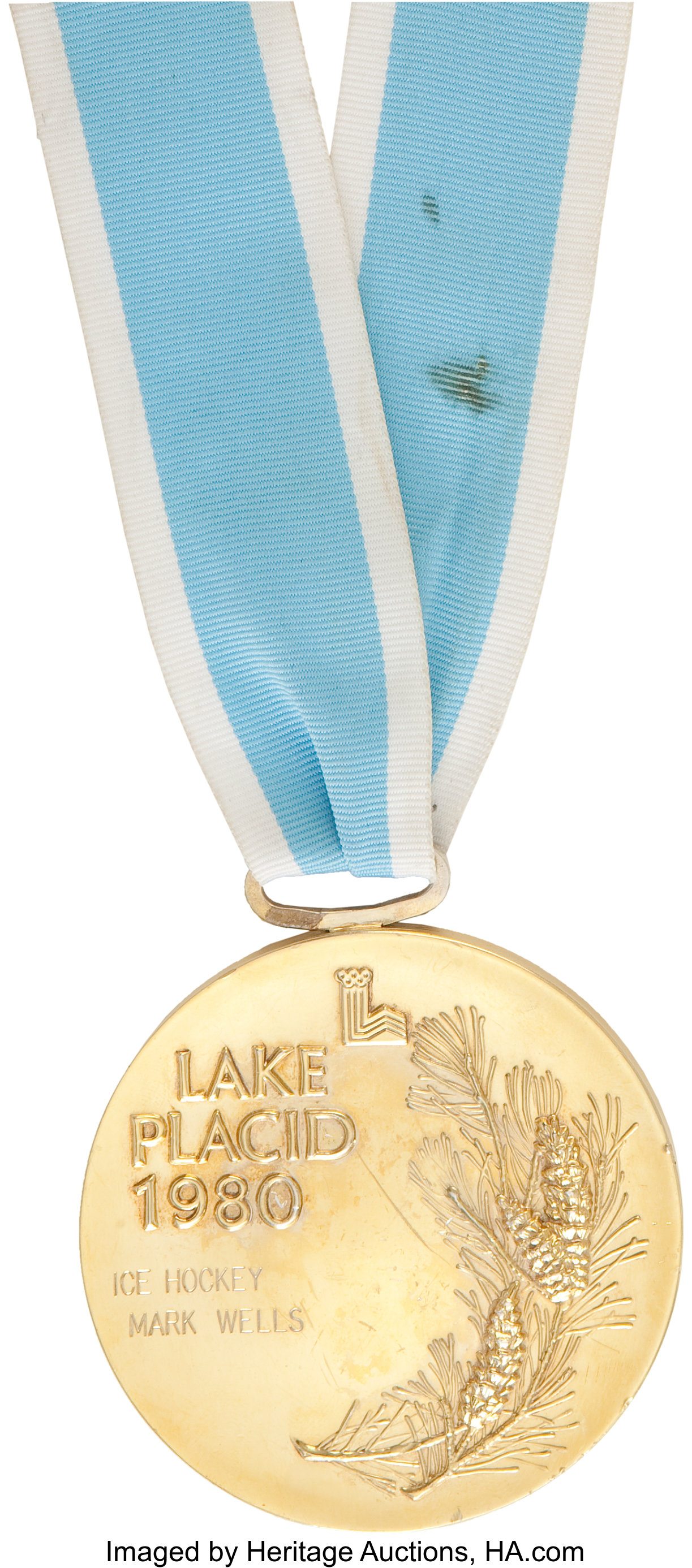
The 1980 U.S. Hockey “Miracle on Ice” Olympic gold medal presented to team member Mark Wells sold for $310,700 at a November 2010 Heritage auction.

By Jim O’Neal

A recent New York Times crossword puzzle (the dreaded Saturday version) had a surprisingly easy clue for 18 down: Sports Illustrated named it #1 in their “100 Greatest Moments in Sports History.” A quick count confirmed my immediate candidate … the “Miracle on Ice” … and I got off to a fast start that fizzled out before I peeked at the answers on Rex Parker.

At the 1980 Olympic Games, an underdog U.S. hockey team defeated a brilliant Soviet Union team that was heavily favored. In 1980, professional athletes were barred from participating in the Olympics, however, communist teams maneuvered around the rules by claiming their professional players were in the military. The 1980 Soviet team – which competed in a world-class league – was generally recognized as the best in the world at any level.

Since the 1980 Olympic Games were held at Lake Placid, N.Y., the Soviet team played nine games against the top NHL hockey teams and won five out of nine games. Then they proceeded to defeat a team of NHL all-stars by an embarrassing 6-0. These guys were unquestionably the finest players in the world and eagerly looking forward to more gold medals at the Olympics, where they were the four-time defending gold medalists.

U.S. coach Herb Brooks had a long history, starting with winning the Minnesota state championship with Johnson High School in 1955 and from 1960 to 1970, he had been on eight U.S. national teams, playing the 1964 and 1968 Olympics. He was also on the 1960 Olympic team, but was the last man cut from the squad. He did know hockey and was keenly aware of the challenges the 1980 team would face. His only strategy was perhaps endurance, and the team played a staggering 61 exhibition games to get in shape.

In their final tune-up for the Olympics, they played the vaunted Soviets at a high-profile venue: Madison Square Garden. The game was played about one week from the Olympic ceremonies and the U.S. team was trounced by the arrogant Soviets, 10-3. Every hockey expert fully expected the U.S. team to be one of the early teams eliminated. But the team had developed into a cohesive unit with a surprisingly strong defense and a flair for last-minute heroics. Still, none of these was to be confused with having a chance since they were still the youngest team and up against professionals with depth and experience.

Meanwhile, the Soviets were trouncing their opposition, winning all five games with a combined score of 51 to 11, and now scheduled to meet the U.S. in the first game of the medal round. The game started as expected with the Soviets drawing first blood. The Americans bounced back and scored a tying goal with one second to go in the first period.

Then the Soviet coach made a change that is still controversial … he petulantly pulled his goalie, Vladislav Tretiak, who was universally rated the world’s best goalie and would later be inducted into the Hockey Hall of Fame. Then the U.S. pulled ahead and with seven seconds left, and TV announcer Al Michaels posed his now famous question: “Do you believe in miracles?” He then answered his own question: “Yes!” Three days later, the U.S. team came back from a 2-1 deficit to beat Finland 4-2 and win the gold medal, while the Soviets defeated Sweden to win the silver (but they didn’t turn them in to be engraved as was the tradition).

Michaels was named Sportscaster of the Year and the historic game was on a tape delay in the United States due to time-zone TV broadcast considerations. Jim McKay made this announcement before the airing … promising it would not spoil the results. He was right, since the U.S. amateur hockey team had arguably completed the biggest upset in the history of competitive team sports.

Intelligent Collector blogger JIM O’NEAL is an avid collector and history buff. He is president and CEO of Frito-Lay International [retired] and earlier served as chair and CEO of PepsiCo Restaurants International [KFC Pizza Hut and Taco Bell].
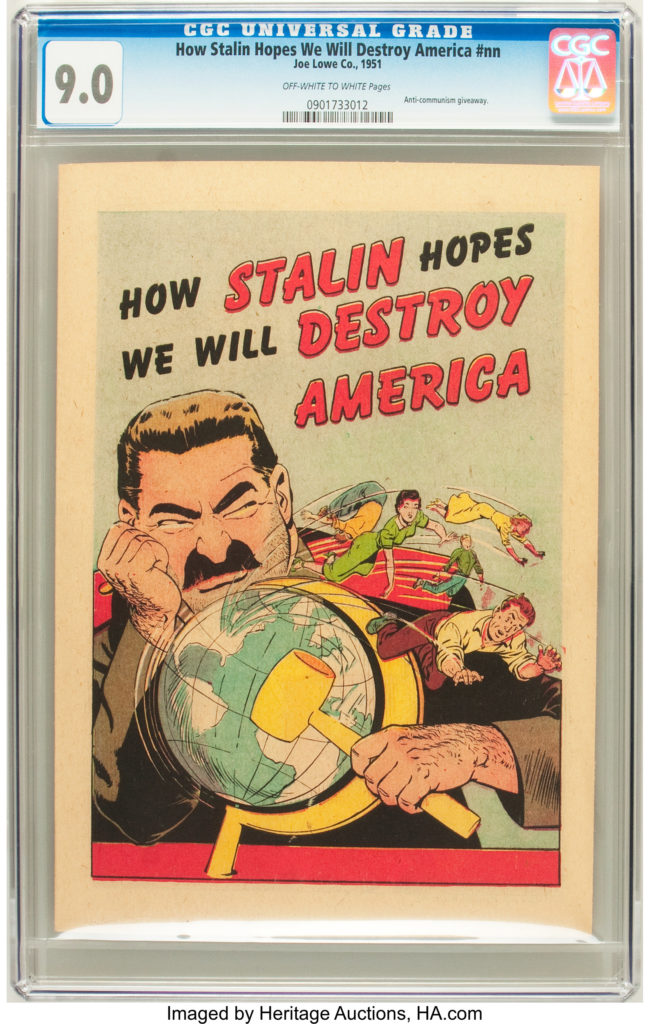
Let’s not forget the horrors spawned by Russia’s dictators

“How Stalin Hopes We Will Destroy America” is a 1951, 16-page anti-communism giveaway comic book published by Joe Lowe Co.

By Jim O’Neal

It is (almost) painful to watch otherwise bright and eloquent activists attempt to explain the basic tenets underpinning their infatuation with democratic-socialism. Even a casual reading of 20th century history should be more than enough to convince the naive of its fatal flaws. I sometimes wonder if philosopher George Santayana was anticipating this situation and trying to find a kind, diplomatic way to explain that “Those who cannot remember the past are condemned to repeat it.”

Yet socialism is back with a presidential election on the horizon (will Bernie Sanders run?) and another generation thirsty for change. The old warhorses of populism and capitalism will do battle again as advocates field their best warriors to convince others. My only hope is that we don’t have to repeat the tired, discredited concepts of Marxism, Leninism and communism that co-mingled with early 20th century socialism.

It is far too easy to pick from any number of fuzzy thinkers to make a compelling case to indict and convict them of naïveté, or to find a country in the Western Hemisphere that is disintegrating in front of our eyes (e.g. Venezuela). A bit more challenging is to link two historic names, familiar to all, who went from bad to disastrous.

Throughout the 20th century, renowned historians debated whether Vladimir Lenin’s successor – Joseph Stalin – was his rightful heir or simply an opportunistic usurper. After the collapse of the USSR in 1991, they finally had their answer. Evidence that had been locked away for decades in secret files eliminated any lingering doubts. The two dictators were like evil twins, starting with Lenin’s obsession to shoot, hang or destroy anyone who resisted the Bolsheviks agenda. The world’s experts agreed that Lenin spawned Joseph Stalin.

Lenin was born into a life of luxury, a normal child with a curiosity satisfied by reading. That phase of his life changed dramatically when his brother was hanged in 1887 after involvement in a plan to kill Czar Alexander III. Perhaps even worse was the family ostracism from polite society. Later, he would write, “The bourgeois will always be cowards and traitors.” He then dedicated his life to destroying the czarist system and its members.

Withdrawn and intensely focused, Lenin developed a maniacal passion for revolution that drove him to the brink of a nervous breakdown even after being exiled in Western Europe. He was a ruthless debater with the familiar “win at any cost” strategy that radicals invariably adopt. One of the Mensheviks summed it up nicely: “I hope there is no afterlife. Can you imagine arguing with Lenin after death? And then thereafter listening to his gutter abuse?”

From the moment of the Bolshevik coup in October 1917, he crushed any threat to his party’s hold on power, eliminating political parties, jailing opponents and unleashing terror using the political police.

In the aftermath of Lenin’s death in January 1924, Joseph Stalin – Secretary General of the Communist Party – emerged as the outright leader of the Soviet Union. Impatient with dictatorship, Stalin set out to forge a despotism in mass bloodshed. It included the forced collectivization of Soviet agriculture, the linchpin of the first five-year plan. He set draconian quotas for the confiscation of “surplus” food and violently repressed those he then exterminated. The consequent famine killed more than 5 million in Ukraine, Kazakhstan and the Northern Caucasus.

It is estimated that he was responsible for 50 million deaths. The rest of the story is available through dozens of books that chronicle his “Reign of Terror.”

To the well-intentioned, this is the road to socialism and then worse. It is an oft-traveled route that will ensure destruction of the many good things we enjoy. Travel at your own peril.

Intelligent Collector blogger JIM O’NEAL is an avid collector and history buff. He is president and CEO of Frito-Lay International [retired] and earlier served as chair and CEO of PepsiCo Restaurants International [KFC Pizza Hut and Taco Bell].
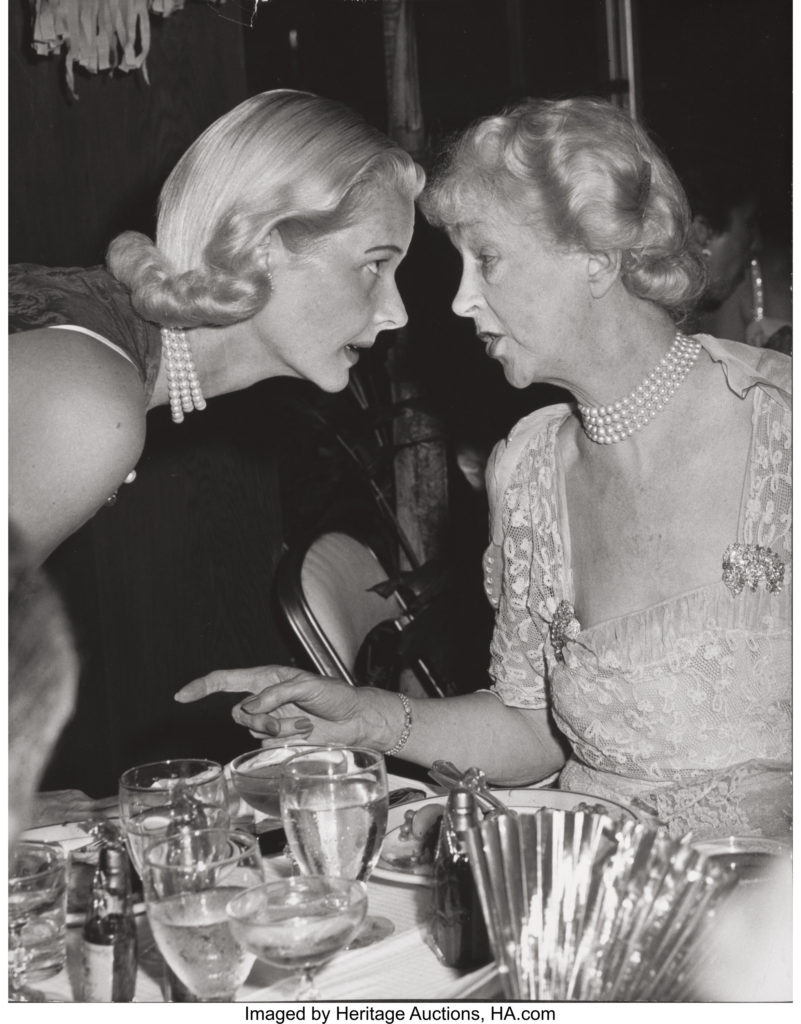
When American wealth met British nobility

A print by American photographer Slim Aarons, showing Consuelo Vanderbilt (right) in Palm Beach, Fla., circa 1955, went to auction in 2014.

By Jim O’Neal

John Jacob Astor (1763-1848) was the first member of the well-known Astor family to gain prominence in both business and social circles of America. He holds the unique distinction of becoming the first multi-millionaire in the United States. Yet there is little in his early German background that hinted at his ultimate financial accomplishments. He was a baker and dairy salesman before moving to London at age 16. These were primarily family-related activities that expanded to include making flutes and pianos.

It was after relocating to New York City that events smiled on him as his instincts for mercantilism flourished. A fur trader piqued his interest and he began an astonishingly successful business buying raw hides from American Indians and finishing them for resale in London. The trendy English practice of owning fur hats seemed almost insatiable and Astor’s profits were generous. He even opened a thriving retail shop for fur goods in NYC just as the American Revolution ended.

The Jay Treaty between Great Britain and the United States in 1795 that opened trade between Canada, the Great Lakes region and London provided even more lucrative opportunities for Astor. Later, he would expand further West, all the way to Canton, China, as he added tea and opium to the lucrative fur business that he dominated in broad areas of the Northwest. Despite an interruption during the War of 1812, Astor’s profits enabled him to expand into New York City real estate with exquisite timing. The fashion trends in London were changing and Astor rightfully guessed that New York real estate was on the verge of exploding.

This almost prescient ability to transform his business to meet changing demands allowed him to grow his profits in an unprecedented manner. At the time of his death in 1848, John Jacob Astor was the richest person in North America. The family prospered and proliferated as the Astors naturally married into other wealthy families and would go on to become socially dominant as they had in business, despite the Civil War, which raged through the South for four long years.

Once peace was restored, there was a need to help rebuild vast portions of the ravaged country and it coincided with a number of major advances in economic developments that would fuel yet another, even greater period of prosperity. The Gilded Age is often used for the post-Civil War period from 1870 to 1900 when great fortunes were made in steel, oil, railroads and even the lowly sewing machine. It is also associated with names like Rockefeller, Carnegie, Mellon and Vanderbilt. These “Robber Barons” accumulated their great fortunes during a period when antitrust laws were virtually unknown and the personal income tax was decades away from being legislated.

Technically, it was probably a pejorative term, since “Gilding Gold” or “Gilding the Lilies” were considered examples of greed and excess. In the 1920s, Mark Twain co-authored a novel that described the excesses, just as Shakespeare had done, but not as caustic and with less sarcasm.

Across the pond, quite the opposite was happening. A combination of new death taxes and an agricultural depression had left much on the English aristocracy with dwindling incomes and in a paradoxical position of being land rich and cash poor. For the daughters of America’s new millionaires, it provided the ultimate opportunity: marriage to a cash-strapped British aristocrat in return for a title and automatic entry into the elite social circles that were quickly forming.

At no time was this more evident than in 1895, when Consuelo Vanderbilt, the daughter of American Willie Vanderbilt, married Charles “Sunny” Spencer-Churchill, the Duke of Marlborough. It was the media event of the year. Three hundred policemen were employed outside the church to hold back thousands of onlookers desperate to catch a glimpse of the glamorous bride in a dress with a five-yard train. Details of the wedding were reported on the front page of The New York Times, and Vogue devoted several pages just to the bride’s trousseau, which had gold clasps studded with diamonds.

Consuelo carried orchids that had been grown in the greenhouse of Blenheim Palace and shipped in a specially refrigerated chamber, because Marlborough brides always carried flowers from Blenheim, irrespective of where the marriage took place. Gifts were displayed for the public – as they are for royal weddings today – and the queue stretched halfway down Fifth Avenue. They included a string of pearls once owned by Catherine the Great. Consuelo was the most famous of the “dollar princesses” – a fabulously rich person looking for the one thing they couldn’t buy at home … a title. Between 1870 and 1914, a total of 454 steamed across the Atlantic and married titled Europeans.

In 1895 (alone), nine American heiresses married English aristocrats and by the end of the century, 25 percent of the House of Lords had a transatlantic connection. The other angle was to simply marry into an elite group, like New York native Caroline Schermerhorn Astor, who in 1853 married William Backhouse Astor Jr. and for several decades was the undisputed queen of American society. She was known as “the Mrs. Astor” (despite the existence of several others). After all, why should one go all the way to England and then live in a stately home that was drafty, isolated and devoid of any creature comforts?

We know the answer, as F. Scott Fitzgerald once told Ernest Hemingway: “You know, the rich are different than you and me” – to which Hemingway replied, “Yes, they have more money.” The “Money Honeys” would simply add, “But, my dear boy, you must also have a title!”

Touché.

Intelligent Collector blogger JIM O’NEAL is an avid collector and history buff. He is president and CEO of Frito-Lay International [retired] and earlier served as chair and CEO of PepsiCo Restaurants International [KFC Pizza Hut and Taco Bell].
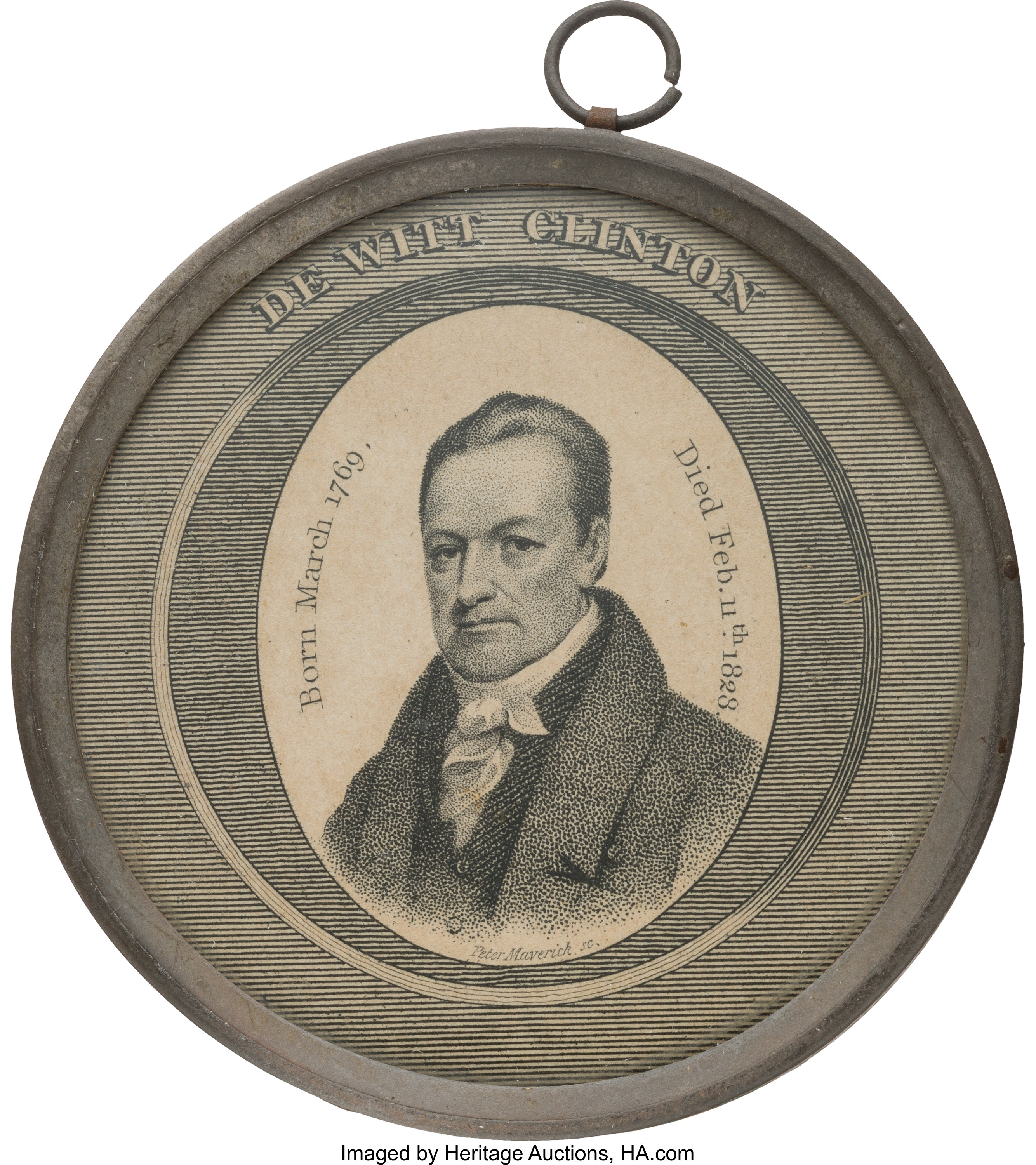
Here’s why DeWitt Clinton had real nerve, visionary leadership

This DeWitt Clinton memorial pewter rim went to auction in February 2018.

By Jim O’Neal

If you’re not weary yet of presidential politics, hold on. Bill and Hil Clinton are on a 13-city speaking tour using a conversational format followed by a Q&A session. They are most likely eyeing 2020 as yet another chance to move into a big white house in the 1600 block of Pennsylvania Avenue in Washington, D.C. The current occupants do not seem to have a good chance of making it two more years, but next in line is a family named Pence.

The name “Clinton” was also prominent in Washington, D.C., and NYC during the 18th and 19th centuries, and perhaps even more pervasively. George Clinton (1739-1812) is generally considered a Founding Father as he participated in the French and Indian War and was a brigadier general in the Continental Army. He was also a delegate to the Continental Congress in 1776, but opposed adoption of the U.S. Constitution. Like Samuel Adams, he finally relented when the Bill of Rights was added.

He then turned to politics and in 1777 was elected (concurrently) to become lieutenant governor and governor of New York. In the second presidential election in 1792, he came in third behind George Washington and John Adams, but ahead of Thomas Jefferson and Aaron Burr. Clinton served four more years as governor of New York and held the record for longest-serving governor (21 years) until it was broken in December 2015 by Terry Branstad of Iowa. Branstad is now the U.S. Ambassador to China.

George Clinton then served as vice president for Thomas Jefferson in his second term (1805-1809) after Jefferson dropped Aaron Burr (presumably because he killed Alexander Hamilton in a duel in 1804). Clinton then served as vice president for James Madison until Clinton’s death in 1812. This was the first time the office of vice president was vacant and also the first time a VP served for two different presidents. Later, John C. Calhoun would serve as vice president for two different presidents (John Quincy Adams and Andrew Jackson) as he unsuccessfully tried to position himself for the top spot.

However, we are more interested in George Clinton’s nephew, DeWitt Clinton (1769-1828), who challenged James Madison for the presidency in 1812. DeWitt was a U.S. Senator from New York, mayor of NYC, and the sixth governor of New York. It was during his time as governor that he made his mark on history.

At the time, the great American rivers on the Eastern seaboard – like the Hudson, Delaware and Connecticut – were woefully underutilized for transportation or commerce. The primary modes for river transportation were limited to the currents, wind, various animals or one’s own feet. And, of course, going upstream against the currents was difficult and essentially impractical. But there were exciting things going on in Europe that would help transform the United States.

James Watt’s coal-fired steam engines were powering the spinning machines that transformed cotton into high-grade cloth. The cost was so low that the material could be shipped all the way to India and still be cheaper than local hand looms. Since England was sitting on huge supplies of coal and the coalmines could use the abundance of labor, it was a near-perfect situation. The remarkable Industrial Revolution was in full swing, transforming a nation of shopkeepers into a modern nation. The same near-perfect balance occurred in steel production following Henry Bessemer’s technique that obsoleted iron.

Attaching a steam engine to a boat was the next big thing and America’s ingenuity took over. By 1807, an American who had spent most of his life in England and France decided to return to America and tackle this obvious opportunity. Robert Fulton’s boat, the North River Steamboat, was 133 feet long with a tonnage of 160. It literally dwarfed all other experimental steamboats and was ready for a trial run to Albany.

Most skeptics believed Fulton would not be able to ever move 1 mile per hour or be of any utility. With smoke plumes marking its progress, the North River headed north on the Hudson. It arrived in Albany in 32 hours, averaging nearly 5 mph … upstream. On the return, it was back in a mere 30 hours. Vindicated, Fulton predicted it would soon be providing quick and cheap conveyance on the Mississippi, Missouri and others. He was right, as the Mississippi, Ohio and every other major river would soon have steamboats churning up and down their waters.

Even as steam had conquered America’s rivers, other geographic features limited commerce. Mountains were near impossible, and flat lands required the considerable exertion of horses, oxen and people. Land-based commerce – which was rapidly becoming the major activity – was both limited and expensive. One solution was canals and that’s where Governor DeWitt Clinton re-enters the picture. He personally championed the Erie Canal when others (including Thomas Jefferson) thought the idea was “little short of madness.”

Thanks to Clinton’s unwavering efforts to overcome all objections, on July 4, 1817, construction began on a 363-mile canal that was dug all the way from Lake Erie to Albany, N.Y. … blasting its way through mountains with powder from E.I. Du Pont de Nemours;  the powder was DuPont’s only product for the company’s first 60 years of its existence. It took eight years and a budget of $6 million, raised from bonds from the public rather than squabbling with state bean counters. It was a lot of money; for perspective, the entire federal government budget for 1811 was $8 million. So hats off to a Clinton with real nerve, perspective and the kind of leadership vision that built this nation.

As an aside, today the federal government spends $8 million every 56 seconds. Maybe that’s why we have bridges that crumble, airports that lag third-world countries and we owe someone $22 trillion.

Intelligent Collector blogger JIM O’NEAL is an avid collector and history buff. He is president and CEO of Frito-Lay International [retired] and earlier served as chair and CEO of PepsiCo Restaurants International [KFC Pizza Hut and Taco Bell].
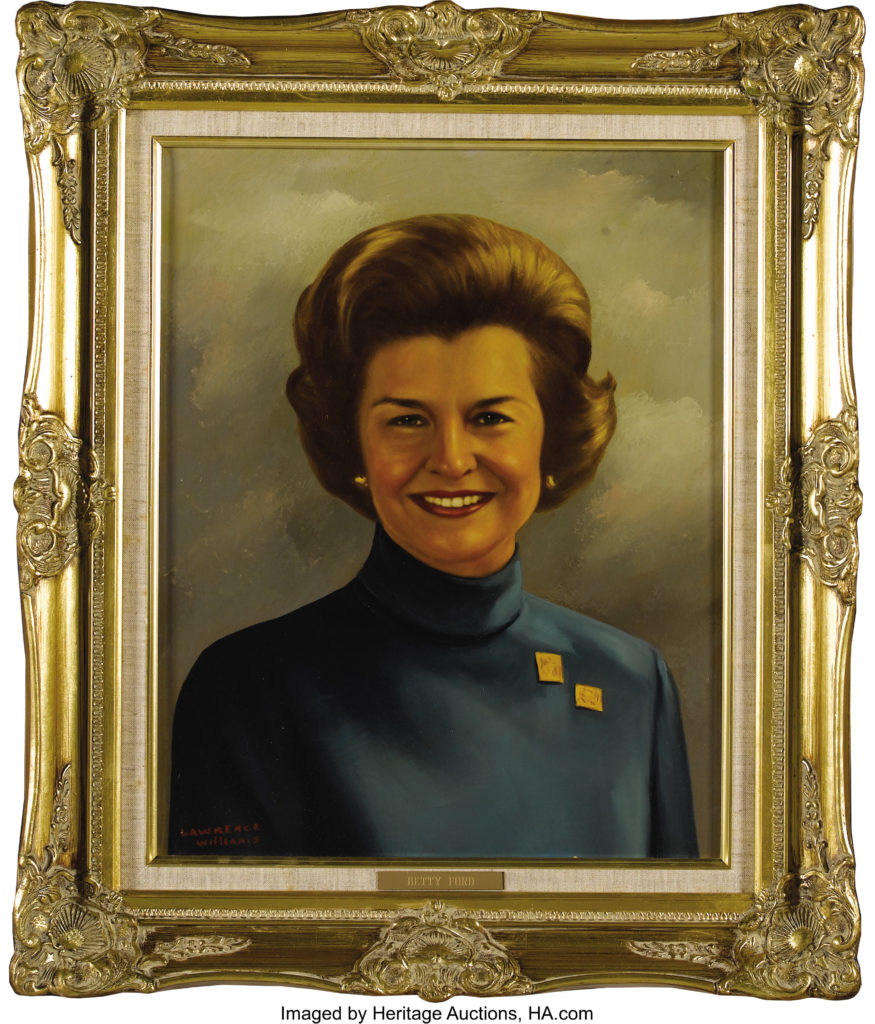
Betty Ford set a standard that all who follow should study

A portrait of Betty Ford by Lawrence Williams went to auction in 2007.

By Jim O’Neal

Every presidential trivia fan knows that Eleanor Roosevelt’s birth name was Eleanor Roosevelt. She had married her father’s fifth cousin, Franklin. Although the couple had six children, Eleanor said she disliked intimacy with him and wrote she was ill-equipped to be a mother since she didn’t understand or even like small children.

They somehow managed to stay married for 40 years until FDR died in 1945. Franklin did enjoy intimate relations, especially with Lucy Mercer, Eleanor’s social secretary. He wanted a divorce, but his mother (who controlled the family money) would not allow it. This even after a trove of love letters between Franklin and Lucy exposed their elicit relationship.

Eleanor skillfully leveraged her position as First Lady; many consider her the first First Lady since she personally championed so many women’s rights issues. She had an active public life and a serious relationship with reporter Lorena Hickok. Eleanor became well known during her long occupancy in the White House and was highly respected all over the world.

That was not true (initially) of Betty Ford, who became First Lady when Jerry Ford became president after Richard Nixon resigned in 1974. She was born Betty Bloomer and she had divorced after a failed five-year marriage to William Warren, an alcoholic she nursed during his final two years.

She was a dancer before she married the man whose name was Leslie Lynch King Jr. when he was born in 1913 (he changed his name in 1935). As a member of the renowned Martha Graham dance troupe, Ford had performed at Carnegie Hall and later earned the prestigious Presidential Medal of Freedom. It was presented by the recently deceased President George H.W. Bush in 1991.

Betty Ford (1918-2011) had been impressed by Eleanor Roosevelt since childhood. “She eventually became my role model because I admired her so. I loved her Independence … a woman finally speaking out for herself rather than saying what would be politically helpful to her husband. That seemed healthy to me.” Others were quick to note the similarities between the two women. Major publications compared the willingness of both to offer bold, personal opinions on highly controversial issues. I would argue that Betty Ford set a higher standard for candor than any of her predecessors.

One small example is the very first press conference in the State Dining Room. Ford seemed to have no reservations about repeating her strong positions as a supporter of the Equal Rights Amendment and her pro-choice stance on abortion. She admitted she had consulted a psychiatrist, had been divorced, and used tranquilizers for physical pain. Any single one of these uttered today would instantly be “Breaking News” on the cable news channels so starved for fresh material (or innuendo).

Initially, Ford didn’t consider her Ladyship as a “meaningful position,” but rather than letting the role define her, she decided to change it. “I wanted to be a good First Lady … but didn’t feel compelled to emulate my predecessors.” She simply decided to be Betty Bloomer Ford … “and [I] might as well have a good time doing it.” She succeeded on both accounts and the results were more than just surprising.

She talked about “demanding privilege” and “a great opportunity,” but also about the “salvation” that gave her a genuine career of her own … and on a national level she’d never experienced before. Her impact helped reshape her into a likeable leader with broad respect.

Her creative imagination rivaled Jackie’s. “This house has been a grave,” she said. “I want it to sing!” More women were seated at the president’s table, especially second-tier political women who needed a little boost. And they were round tables, which denoted equality. This was the instinct of a free, bohemian spirit, but not by contrivance. She had been a single woman who studied modern dance and introduced it to the ghettos of Grand Rapids, Mich. She spoke deliberately and was unafraid of listening to differing viewpoints.

There were the occasional curious remarks about her drug and alcohol use, but easily rationalized by her well-known physical pain from severe arthritis and pinched nerve courtesy of her dancing. Not even nosy reporters questioned or sought to investigate the degree of her medications. It wasn’t until after the Fords left the White House that the drinking resulted in a family intervention.

In true Betty Ford fashion, after the denial, anger and resentment subsided, a positive outcome resulted. The Betty Ford Center was founded in Rancho Mirage, Calif. The center, known as Camp Betty, has helped celebrities and others overcome substance abuse issues. It offers treatment without shame and, although not a cure or panacea, gives people control over their lives. The opioid crisis of today is using some of the experience gained from Camp Betty.

However, her most lasting and important contribution concerns breast cancer. During the mid-1970s, television didn’t even allow the word “breast” until a determined Betty Ford decided to go very public with her condition. She had accompanied a friend who was having an annual checkup and the doctor suggested she do the same. After several more doctors got involved, a biopsy confirmed she had breast cancer. The White House press office squabbled over releasing information about her condition, but Betty spotted another opportunity.

By the time she was back in the White House two weeks later, women across America were having breast examinations and mammograms. The ensuing media coverage of her honest revelations was credited with saving the lives of thousands of women who had discovered breast tumors. The East Wing was flooded with 60,000 cards, letters and telegrams, 10 percent from women who had mastectomies. The First Lady told the American Cancer Society, “I just cannot stress enough how necessary it is for women to take an active interest in their own health and body … too many women are so afraid … they endanger their lives.”

Ford was a modern day Abigail Adams, but Ford used a megaphone rather than letters, and in a practical way. Bravo to an under-appreciated First Lady, who set a standard that all who follow should study.

Intelligent Collector blogger JIM O’NEAL is an avid collector and history buff. He is president and CEO of Frito-Lay International [retired] and earlier served as chair and CEO of PepsiCo Restaurants International [KFC Pizza Hut and Taco Bell].
We owe Thomas Edison, Henry Ford a debt of gratitude

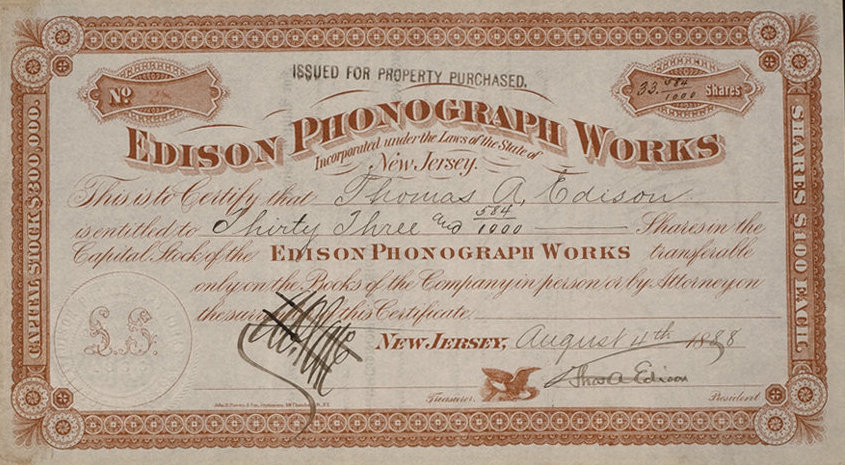
This uncanceled Edison Phonograph Works stock certificate is dated 1888, the very year the company was founded, and was issued to “Thomas A. Edison.” It was sold at an April 2012 Heritage auction.

By Jim O’Neal

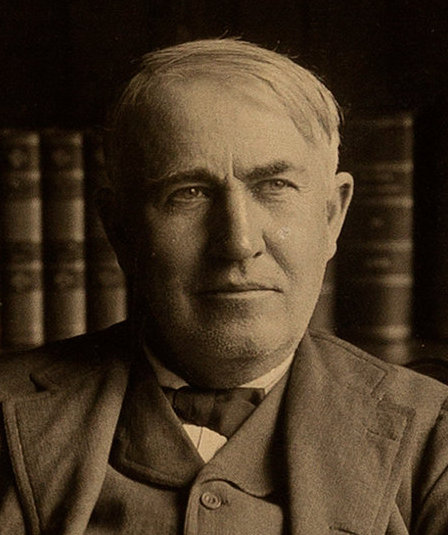
On Monday, Oct. 21, 1929, the Edison Institute was dedicated in Dearborn, Mich. It was to commemorate the 50th anniversary of the first incandescent light bulb that Thomas Alva Edison had invented and the strong friendship between Henry Ford and Edison. Although it was a relatively small group that joined in, it was loaded with luminaries: John D. Rockefeller, Orville Wright, Will Rogers, Marie Curie and, of course, Henry Ford and Edison, who was 82 years old.

President Herbert Hoover’s speech stated: “Every American owes a debt to him. It is not alone a debt for great benefactions he has brought to mankind, but also a debt for the honor he has brought to our country. His life gives confidence … our institutions hold open the door of opportunity … to all that would enter.” The ceremony was broadcast on radio and listeners were asked to keep all their electric lights off until a switch was flipped at the event.

Thomas Edison

One week later, the stock market was in a state of chaos as a series of events led to the Great Depression.

Ford (1863-1947) had grown up on a rural farm in Michigan and, like virtually every other American, was captivated by the remarkable inventions Edison was cranking out. Eschewing farm work after his mother died, he inevitably went to work at his hero’s company – Edison Illuminating Company – as an engineer.

Ford rose through the ranks to Chief Engineer, which allowed him more personal time to work on developing his version of an automobile. In 1896, at age 33, Ford developed his first experimental car, called the Ford Quadricycle. Edison had been working on an electric car and when the two men finally met, Edison reputedly slammed his fist on a table and exclaimed, “Young man, you have it!” He encouraged Ford to continue his development and this started a longtime friendship between the two geniuses.

Ford eventually developed his Model T, a series of improvements (not inventions) to the combustion engine, and a continuous assembly line. Introduced in 1908, the Model T would be extremely successful, eventually becoming one of the top-selling cars of all time. With the steering wheel on the left side, it is estimated that over 75 percent of everyone who learned to drive did it in some version of the Model T.

Along the way, Ford pioneered the eight-hour workday, reduced the cost from $850 and raised worker wages to $5 a day so they could afford to buy a car. He became a rich and successful businessman with a passion for collecting historic objects. President Wilson convinced him to run for the Senate since he was for peace and a Democrat, but he lost. After his death in 1947, the Edison Institute was renamed the Henry Ford Museum.

Today, the Henry Ford Museum of American Innovation includes Greenfield Village, a tour of the massive Ford Rouge factory, and even a dedicated IMAX theater. The museum has an astonishing collection of Americana, with over 200 cars, JFK’s limousine from his trip to Dallas, the bus Rosa Parks made famous, Lincoln’s rocking chair from Ford’s Theater, Edison’s laboratory, the Wright Brothers’ bicycle machine shop, steam engines and other historic items depicting the history of America.

The Henry Ford Museum is the largest indoor/outdoor museum in the United States, with over 1.7 million visitors a year. Somewhere in this vast collection of truly famous objects is a small test tube with Edison’s last dying breath. Ford convinced Edison’s son to hold a mask over Edison as he was dying and capture/cork the “last breath.” Whether it does or not is irrelevant. The fact is that there are a number of similar test tubes that were filled in the room when Edison actually did die. The Ford example represents the genuine friendship between these two remarkable men and the wheelchair races on their adjoining estates in Florida, the hunting trips that included Harvey Firestone and President Harding, and their quest for knowledge that makes our lifestyle so much better even today.

They were both deeply flawed men who have slowly melted into history, but President Hoover was right. We do owe them a debt a gratitude and can overlook some or most of their egregious sins as the famous door of opportunity is still wide open, as we see every day.

Intelligent Collector blogger JIM O’NEAL is an avid collector and history buff. He is president and CEO of Frito-Lay International [retired] and earlier served as chair and CEO of PepsiCo Restaurants International [KFC Pizza Hut and Taco Bell].
For adventurous souls: the Seven Wonders of the Ancient World

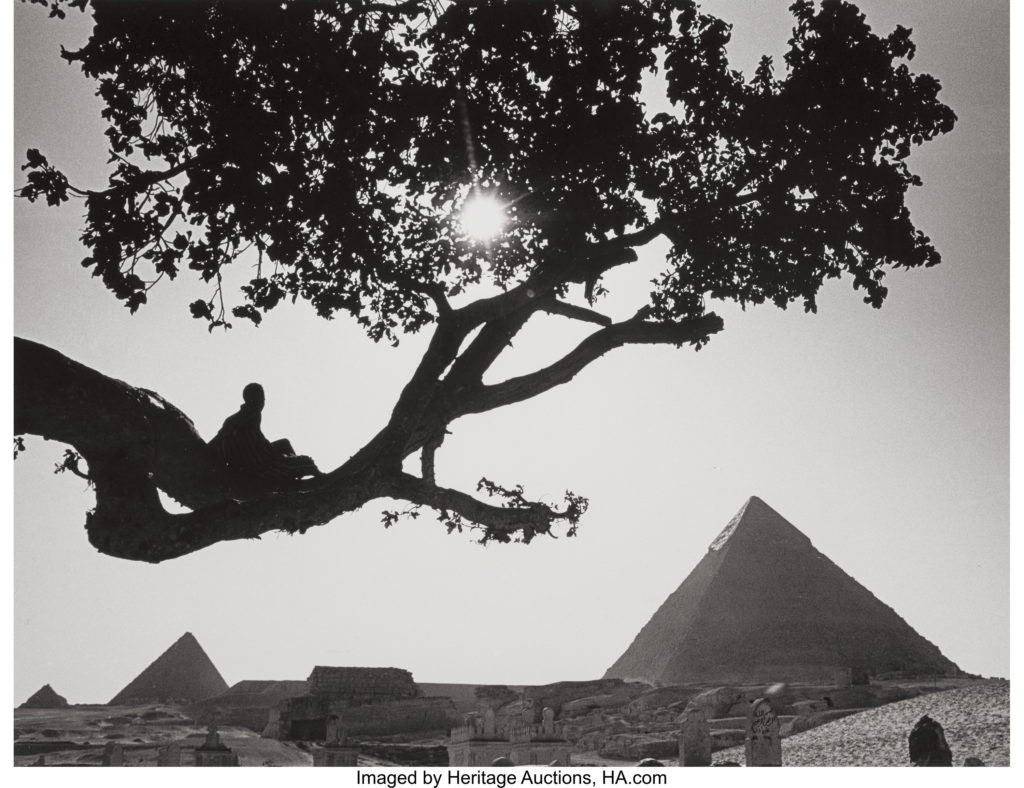
The Great Pyramid of Giza, as photographed by Gordon Converse, tops the list of the greatest ancient wonders.

By Jim O’Neal

It is difficult, and bordering on impossible, to construct a list of the “Seven Wonders of the World” since they seem to be moving targets, subject to frequent revisions and disagreements between people who claim to have a personal degree of expertise. However, it is feasible to build a reasonable consensus on the “Seven Wonders of the Ancient World” … if one starts with the list compiled by Greek engineer Philo of Byzantium in 225 B.C.

It seems mildly comforting that at one time in the distant past, humans created structures that were worthy as works of gods, and ancient travelers could make a “bucket list” if they were inclined to participate in this more modern concept. Here is the list for any intrepid adventurous souls.

  1. The Great Pyramid of Giza: Constructed about 4,600 years ago for the Egyptian Pharaoh Khufu (known as Cheops to the Greeks). Just outside of modern Cairo, it was the tallest manmade structure on Earth for roughly 4,000 years. It is the only one still standing and I can personally verify it’s still there. Despite centuries of erosion, it’s still about 450 feet high and consists of 2 million blocks weighing 2½ tons each. Somehow, its builders were able to align it in a perfect square with the four cardinal points on the compass. If you ever decide to hunt for signs of extraterrestrial activity, this would be a good place to start!
  2. The Hanging Gardens of Babylon: Assuming this ancient wonder actually existed, King Nebuchadnezzar II built it nearly 3,000 years ago near the Euphrates River (when Babylon was the capital of a great empire) to appease his wife Amytis, who was homesick for the hills of Persia. Besides the Gardens, Neb II is notorious for capturing and destroying Jerusalem circa 597 B.C.
  3. The Statue of Zeus at Olympia: Zeus was the mightiest Greek god (adopted by the Romans as Jupiter) and this 40-foot statue was carved with Zeus on a cedar throne with ivory and gold skin. Roman Emperor Theodosius had it relocated to Constantinople, where it was destroyed by fire in 475 A.D.
  4. The Temple of Artemis at Ephesus: Built to honor the daughter of Zeus and sister of the sun god Apollo. By reputation, the most beautiful of the ancient wonders since it was funded by King Croesus of Lydia (modern Turkey). With 127 marble columns, historians have said it “surpassed every structure ever raised by mortal men.” Ephesus is a very delightful ancient port city and on everyone’s itinerary for this area.
  5. The Tomb of King Mausolus at Halicarnassus: Queen Artemisia built this to honor her husband or brother or both (accounts vary). Obviously, the source of the word “mausoleum.” I thought I had been to all the major cities in Turkey, but Bodrum is new to me.
  6. The Colossus of Rhodes: My kind of wonder. The Colossus represents Apollo … towering over the harbor of Rhodes after the war between Rhodes and Macedon (Greek). Some myths compare it to the Statue of Liberty in the New York harbor. The great Roman historian Pliny wrote about pieces still there in the first century A.D.
  7. Lighthouse of Alexandria: Also known as the Pharos off the coast of Egypt; for centuries it was one of the tallest manmade structures in the world. It’s long gone (its last stones were apparently used for other projects in the 1400s), but very plausible, since Alexandria was the world’s cultural capital after being founded by Alexander the Great.

Obviously, the Greek writers and historians who recorded these events and wonders could only include what was in their part of the world, thus pre-Christian wonders were excluded. The most prominent, in my view, not included was the Great Wall of China, the longest fortification and possibly the greatest project ever undertaken. Much of the present wall dates from 1420 A.D. when the Ming Dynasty enlarged it. Its origins date back 1,600 years to earlier dynasties to protect the northern frontier; this was a 1,400-mile effort utilizing 300,000 laborers.

Also ignored was the entire city of Persepolis, the capital of Persia, probably intentionally because of their intense dislike by the Greeks. In 1971, the Shah of Iran staged an enormous celebration in the ruins of Persepolis to commemorate its 2,500th anniversary (yes, the same shah who was overthrown in 1979).

We live on a terribly small planet, but we have a marvelous historic record to pore over … facts, myths and fables that tend to become blurred over time. This is one problem our generation won’t have. I suspect 100 percent of the entire world’s sounds and activities will soon be on either a smartphone, bodycam or other device for permanent transfer and storage on YouTube.

Intelligent Collector blogger JIM O’NEAL is an avid collector and history buff. He is president and CEO of Frito-Lay International [retired] and earlier served as chair and CEO of PepsiCo Restaurants International [KFC Pizza Hut and Taco Bell].
It’s easy to forget the value of a good magazine

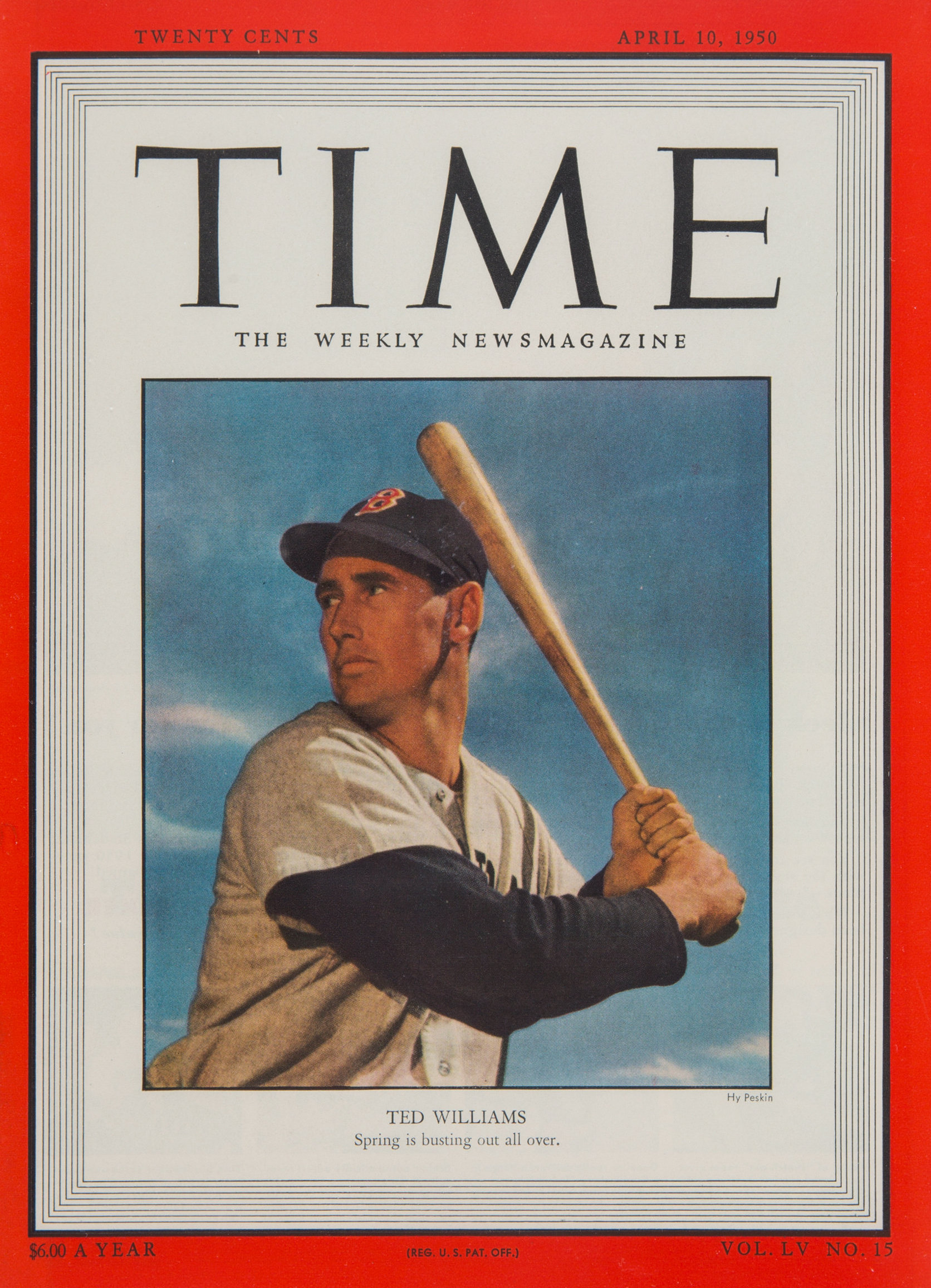
A 1950 copy of Time magazine featuring Ted Williams and graded CGC 9.6 sold for $5,280 at a May 2018 Heritage auction.

By Jim O’Neal

I was in our local supermarket recently and a woman ahead of me at the checkout had a cart full of groceries, plus seven or eight magazines. I’ve grown accustomed to seeing them on planes and in doctors’ offices and just assumed they got there by subscription or Publishers Clearing House (where people routinely win a million dollars, at least on television). Seeing someone plunk down cash for a stack of them was a mild surprise that brought back old memories when I coveted comic books.

In the 19th century, Karl Marx claimed that gunpowder, the compass and the printing press were the three most important inventions of the social class that owned the means of production during the modern industrialization period. This helped ensure the preservation of their capital, which in turn enabled maintaining societal supremacy. Someway, simply owning a printing press kept the masses yoked to a permanent underclass.

Others, especially Sir Francis Bacon (1561-1626), recognized the printing press, firearms and nautical compass and asserted there was nothing to equal them among the ancient Greeks and Romans. In 1620, he wrote in his Great Instauration that “printing, gunpowder and the nautical compass … have altered the state of the world. First in literary matters, secondly in warfare and third in navigation.” This makes sense, but doesn’t explain how the Chinese had all these tools several hundred years earlier, and had even invented paper as an important component. Their tendencies to remain isolated may be one obvious rationale.

Prior to the printing press, books had to be copied painstakingly by hand. Johannes Gutenberg’s introduction 650 years ago of the metal movable type-printing press created a new method for knowledge to be mass-produced for the first time in human history. This opened up an enormous opportunity to print books, flyers, pamphlets, bibles and newspapers virtually anywhere at reasonable prices.

By the 1700s, there was a craving for literacy and knowledge, especially among women, who had been deprived of intellectual education. The first American magazines showed up in 1741 as Philadelphia printers like Benjamin Franklin (who missed being first by a mere three days) rushed to add magazines to their newspaper businesses. Most were financial failures since they were tailored for the wealthy. However, new ones eagerly took their place and proliferated in an attempt to satisfy the growing demand for amusement and entertainment. Magazines were here to stay and would only grow more popular as literacy rates skyrocketed.

Skip forward to the 20th century and we find Yale college roommates Briton Hadden and Henry Luce working for the Baltimore News. They recognized the seemingly insatiable demand for news. With radio and television not fully developed, they believed magazines were the obvious medium to fill the need. After considering various names like Facts, they finally settled on Time, the first weekly newsmagazine in the United States. With the slogan “Take Time – It’s Brief,” on March 3, 1923, they published the first issue, featuring the famous retired Speaker of the House Joseph Cannon (1836-1926).

The first great pictorial magazine, Life, had failed during the Great Depression and publishing genius Luce (1898-1967) bought the name and relaunched it. Time was designed to “tell’ the news and Life dedicated to “showing” curious Americans what was happening around the world … and for pocket change. Later, Luce added the business magazine Fortune (1930) and Sports Illustrated (1954). The first Sportsman of the Year was Roger Bannister, the first to run the mile in under 4 minutes … 3.594. Ten years later, high school runner Jim Ryun duplicated the feat.

Today, there are literally thousands of magazines worldwide. They inform, educate, inspire and entertain readers globally. Magazines will continue to change the nature of things throughout the world for a long time to come. I need to pay more attention to this strategic shaper of world history!

Intelligent Collector blogger JIM O’NEAL is an avid collector and history buff. He is president and CEO of Frito-Lay International [retired] and earlier served as chair and CEO of PepsiCo Restaurants International [KFC Pizza Hut and Taco Bell].