
Roosevelt Used Radio to Encourage, Hitler to Fuel Rage

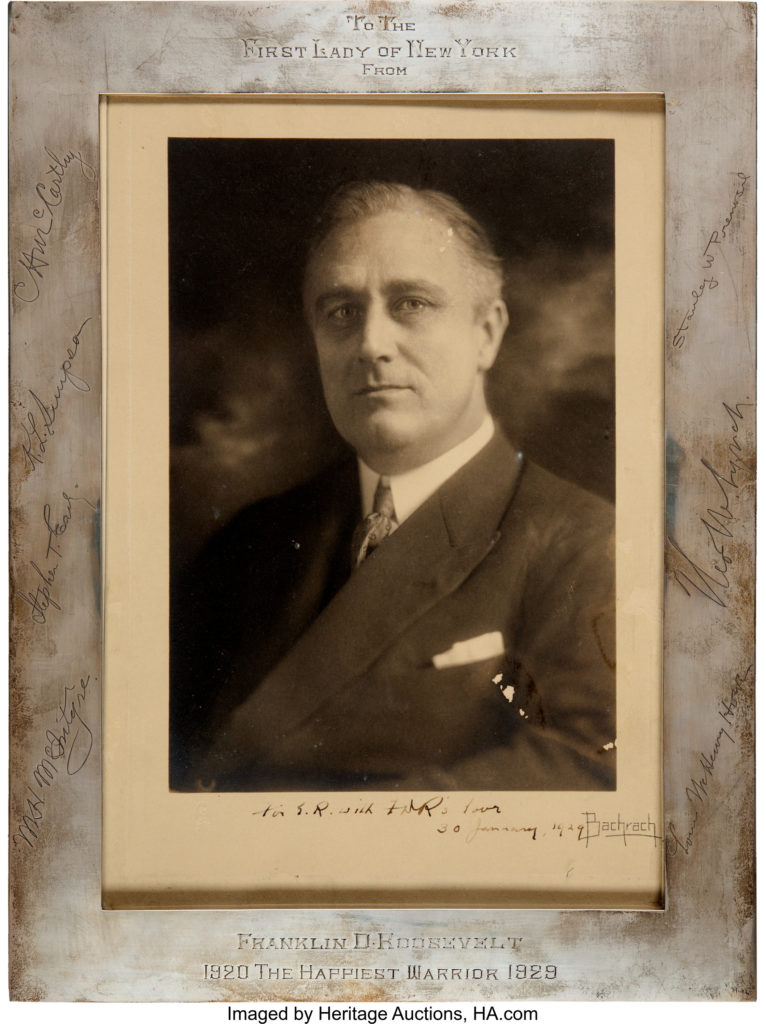
A Franklin D. Roosevelt photograph, signed and inscribed to Eleanor Roosevelt, sold for $10,000 at an October 2016 Heritage auction.

By Jim O’Neal

Saul Bellow was a Canadian-born writer who became a nationalized U.S. citizen when he discovered he had immigrated to the United States illegally as a child. He hit the big time in 1964 with his novel Herzog. It won the U.S. National Book Award for fiction. Time magazine named it one of the 100 best novels in the English language since “the beginning of Time” (March 3, 1923).

Along the way, Bellow (1915-2005) also managed to squeeze in a Pulitzer Prize, the Nobel Prize for Literature, and the National Medal of Arts. He is the only writer to win the National Book Award for Fiction three times.
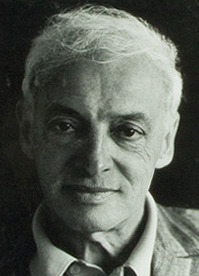
Saul Bellow

Bellow loved to describe his personal experience listening to President Roosevelt, an American aristocrat (Groton and Harvard educated), hold the nation together, using only a radio and the power of his personality. “I can recall walking eastward on the Chicago Midway … drivers had pulled over, parking bumper to bumper, and turned on their radios to hear every single word. They had rolled down the windows and opened the car doors. Everywhere the same voice, its odd Eastern accent, which in anyone else would have irritated Midwesterners. You could follow without missing a single word as you strolled by. You felt joined to these unknown drivers, men and women smoking their cigarettes in silence, not so much considering the president’s words as affirming the rightness of his tone and taking assurances from it.”

The nation needed the assurance of those fireside chats, the first of which was delivered on March 12, 1933. Between a quarter and a third of the workforce was unemployed. It was the nadir of the Great Depression.

The “fireside” was figurative; most of the chats emanated from a small, cramped room in the White House basement. Secretary of Labor Frances Perkins described the change that would come over the president just before the broadcasts. “His face would smile and light up as though he were actually sitting on the front porch or in the parlor with them. People felt this, and it bound them to him in affection.”

Roosevelt’s fireside chats and, indeed, all of his efforts to communicate contrasted with those of another master of the airwaves, Adolf Hitler, who fueled rage in the German people via radio and encouraged their need to blame, while FDR reasoned with and encouraged America. Hitler’s speeches were pumped through cheap plastic radios manufactured expressly to ensure complete penetration of the German consciousness. The appropriation of this new medium by FDR for reason and common sense was one of the great triumphs of American democracy.

Herr Hitler ended up committing suicide after ordering the building burned to the ground to prevent the Allies from retrieving any of his remains. So ended the grand 1,000-year Reich he had promised … poof … gone with the wind.
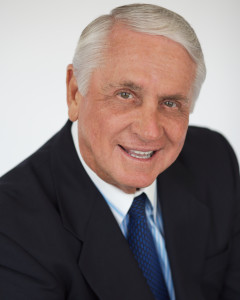
Intelligent Collector blogger JIM O’NEAL is an avid collector and history buff. He is president and CEO of Frito-Lay International [retired] and earlier served as chair and CEO of PepsiCo Restaurants International [KFC Pizza Hut and Taco Bell].
Early Automotive Pioneers Among America’s Top Innovators

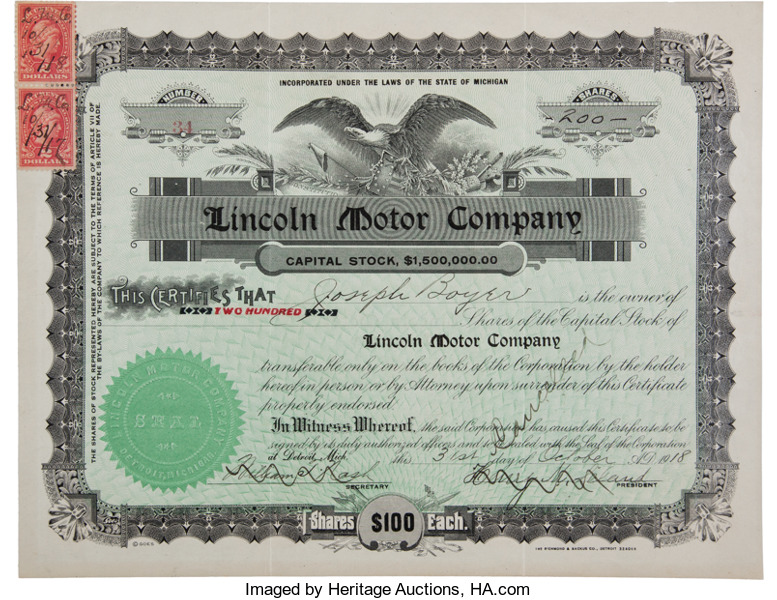
A Lincoln Motor Company stock certificate, issued in October 1918 and signed by Henry M. Leland, sold for $500 at an October 2013 auction.

By Jim O’Neal

Doctors called it a “chauffeur’s fracture,” the radial styloid or wrist fracture that occurred when a driver tried to start a horseless carriage by turning the crank at the front of the car. If the engine backfired, the crank would spin backward, often causing broken bones. Those early automobiles motoring down the streets of American cities were considered engineering marvels.

But what a challenge to start!

The two requirements were a blacksmith’s arm and a perfect sense of timing. The driver had to adjust the spark and the throttle before jumping out to turn the crank mounted on the car’s outside front grill. Once the spark caught and the motor fired, the driver dashed back to the control to adjust the spark and throttle before the engine could die. Oh, and if the car started, but was in gear, it could lurch forward and run over the cranker!

Sound farfetched?

In 1908, tragedy struck when Byron Carter (1863-1908) – inventor of the Cartercar – died after trying to start a stalled car. The crank hit him in the jaw. Complications with gangrene set in and he died of pneumonia. It was a fluke involving a stalled motorist he was trying to help. The driver forgot to retard the spark. Whamo!

The car involved was a new Cadillac, one of the premier luxury brands, and Carter was good friends with the man who ran Cadillac, Henry Leland (who also owned Lincoln). When Leland found out his friend had been killed, he vowed: “The Cadillac car will kill no more men if we can possibly help it!” Cadillac engineers finally succeeded in manufacturing an electric self-starter, but were never able to scale it for commercial use.

Enter Charles Franklin Kettering (1876-1958), a remarkable man (in the same league as Thomas Edison) whose versatile skills included engineering and savvy business management. He was a prolific inventor with 186 notable patents. One of them was a self-starter small enough to fit under the hood of a car, running off a small storage battery. A New York inventor (Clyde J. Coleman) had applied for a patent in 1899 for an electric self-starter, but it was only a theoretical solution and never marketed.

After graduating from Ohio State College of Engineering, Kettering went to work for the invention staff at National Cash Register (NCR) company. He invented a high-torque electric motor to drive a cash register, allowing a salesperson to ring up a sale without turning a hand-crank twice each time. After five years at NCR, he set up his own laboratory in Dayton, Ohio. Working with a group of engineers, mechanics and electricians, he developed the new ignition system for the Cadillac Automobile Company.

Leland sold Cadillac to General Motors in 1909 for $4.5 million and there is no record of any Cadillac ever killing another person, at least from turning a crank to start the engine! Since Cadillac had been formed from remnants of the Henry Ford Company (the second of two failed attempts by Ford), it was renamed for Antoine Laumet de La Mothe, sieur de Cadillac (the founder of Detroit 200 years earlier).

Later, Leland would sell Lincoln, his other marque luxury brand, to Ford Motor Company for a healthy $10 million, while Kettering and his crew formed Dayton Engineering Laboratories Co., which became Delco, still a famous name in electronic automobile parts. Kettering went on to have a long, sterling career and was featured on the cover of Time on Jan. 9, 1933 … the week after president-elect Franklin Delano Roosevelt was named the magazine’s Man of the Year (Jan. 2).

My only quibble is the work Kettering did with Thomas Midgley Jr. in developing Ethyl gasoline, which eliminated engine knock, but loaded the air we breathe with lead (a deadly neurotoxin) for the next 50 years. And he developed Freon … a much safer refrigerant, but which released CFCs, which will be destroying our atmospheric ozone for the next 100-200 years.

I don’t recall ever personally turning an engine crank. My cars went from ignition keys to keyless and I plan to skip the driverless models and wait for a Jet-Cab … unless Jeff Bezos can provide an Uber-style version using one of his drones.

Things change.

Intelligent Collector blogger JIM O’NEAL is an avid collector and history buff. He is president and CEO of Frito-Lay International [retired] and earlier served as chair and CEO of PepsiCo Restaurants International [KFC Pizza Hut and Taco Bell].
President Lincoln Understood Technology and Adapted

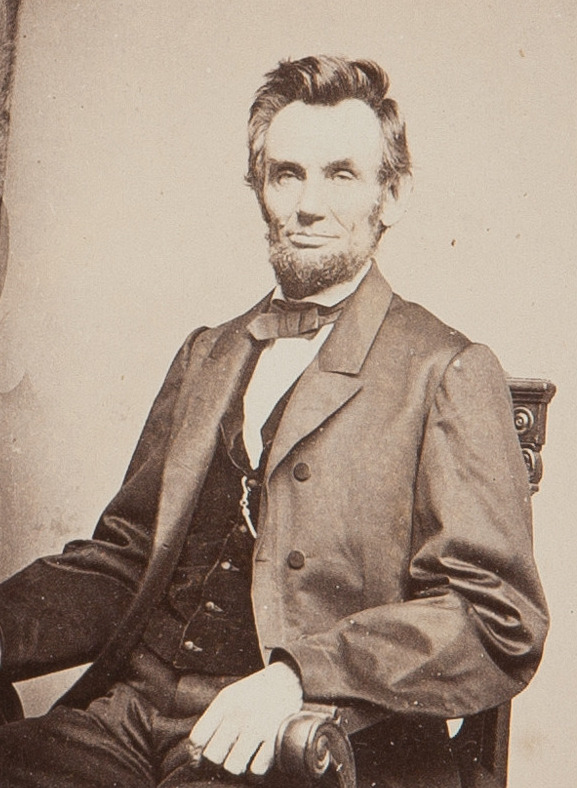
This photograph of Abraham Lincoln was among 348 Civil War albumen images in a collection that sold for $83,650 at a December 2010 Heritage auction.

By Jim O’Neal

Presidents have always been challenged to communicate their policies and priorities to the public. As the political party system evolved, newspapers became more partisan depending on their level of editorial bias – usually due to strong-willed owners/editors – forcing administrations to devise creative ways to deliver unfiltered messages.

In the 20th century, President Wilson established the first presidential press conference in March 1913. All of his predecessors have continued using this innovation with only minor variants. FDR used “Fireside Chats” to help ease public concerns during the Great Depression, using bromides like, “The only thing we have to fear is fear itself” or explaining how the banking system works to restore confidence in the financial system.

President Eisenhower preferred off-the-record sessions with reporters and heavily edited film clips.

Then by 1960, with 87 percent of households having televisions, people could tune in twice a month and see the young, telegenic JFK – live and uncut – deliver his aggressive agenda for America. Up until then, press conferences were strictly off the record to provide the opportunity to correct any gaffes or poorly phrased answers to difficult questions. President Truman once told reporters “the greatest asset the Kremlin has is Senator [Joe] McCarthy” … but the quote was reworded before being released!

President Trump has adopted modern technology to bypass the media and communicate directly to anyone interested (which includes his base and the frustrated media). Daily WH briefings have become increasingly adversarial as many in the media are in various stages of open warfare, especially The New York Times and CNN. The 24/7 news cycle allows viewers to choose media that are consistent with their personal opinions and the result is a giant echo-sphere.

In the 19th century, President Lincoln was often confronted with extreme press hostility, especially by the three large newspapers in NYC, which attacked him personally and for his failing Civil War policies, particularly after the Civil War Draft Riots. Lincoln retaliated with dramatic letters in 1862-63 – ostensibly to New York Tribune editor Horace Greeley, but also strategically to all newspapers to reach a far wider audience. At the very least, he reduced editorial influence and in doing so revolutionized the art of presidential communications.

And then it was suddenly Nov. 19, 1863, at Gettysburg, Pa. What Lincoln said that day has been analyzed, memorized and explained … but never emulated. The only flaw was the prediction that “The world will little note, nor long remember, what we say here …”

The compactness and concision of the Gettysburg Address have something to do with the mystery of its memorability. It was 271 words. It had 10 sentences, the final one accounting for a third of the entire length; 205 words had a single syllable; 46 had two; 20 had three syllables or more. The pronoun “I” was never uttered. Lincoln had admired and seen at once the future of the telegraph, which required one to get to the point, with clarity. The telegraphic quality can be clearly heard in the speech – “We cannot dedicate, we cannot consecrate, we cannot hallow this ground.” Rhythm, compression, precision … all were emphasized.

Perhaps the most overshadowed speech in history was the one featured as the main event that day: Edward Everett’s oration. He was a Harvard man (later its president), a professor of Greek, governor of Massachusetts, and ambassador to England. Everett’s two-hour speech (13,607 words) was well received. Lincoln congratulated him.

Afterward, in a note to Lincoln, Everett wrote: “I should be glad to flatter myself that I came as near to the central idea of the occasion, in two hours, as you did in two minutes.” Lincoln’s grateful reply concluded with “I am pleased to know that in your judgment, the little I did say was not a failure.”

Not bad for a man traveling with the fever of a smallpox infection! 

Intelligent Collector blogger JIM O’NEAL is an avid collector and history buff. He is president and CEO of Frito-Lay International [retired] and earlier served as chair and CEO of PepsiCo Restaurants International [KFC Pizza Hut and Taco Bell].
Yes, George C. Marshall Earned Title of ‘Greatest Living American’

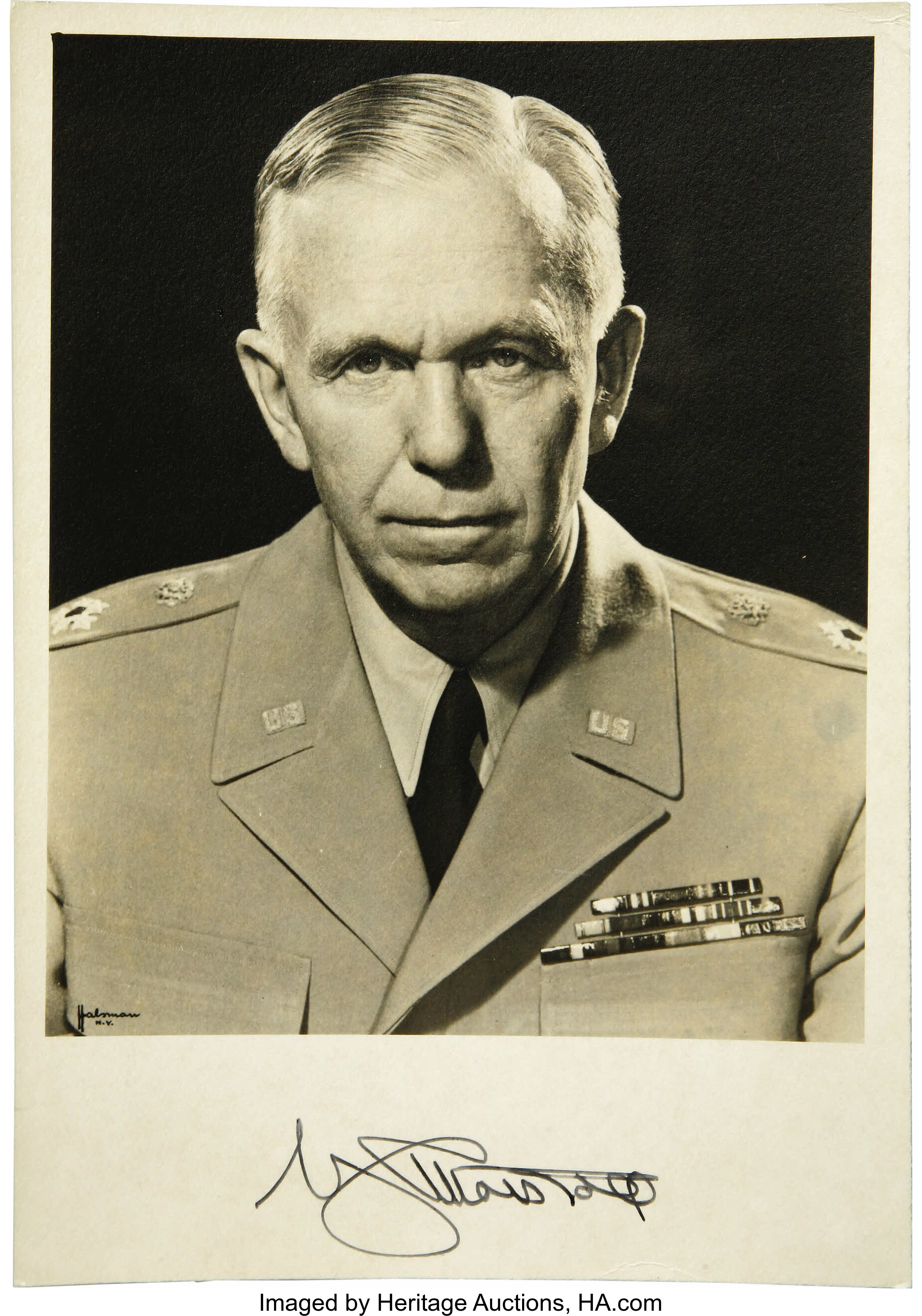
A photograph of General George C. Marshall, signed, went to auction in October 2007.

By Jim O’Neal

In Harvard Yard, a venue carefully chosen as dignified and non-controversial, Secretary of State George C. Marshall’s 15-minute speech on June 5, 1947, painted a grim picture for the graduates. With words crafted and refined by the most brilliant minds in the State Department, Marshall outlined the “continuing hunger, poverty, desperation and chaos” in a Europe still devastated after the end of World War II.

Marshall, one of the greatest Secretaries of State the United States has ever produced, asserted unequivocally that it was time for a comprehensive recovery plan. The only caveat was that “the initiation must come from Europe.” His words were much more than typical boilerplate commencement rhetoric and Great Britain’s wily Foreign Minister Ernest Bevin heard the message loud and clear. By July 3, he and his French counterpart, Georges Bidault, had invited 22 nations to Paris to develop a European Recovery Program (ERP). Bevin had been alerted to the importance by Dean Acheson, Marshall’s Under Secretary of State. Acheson was point man for the old Eastern establishment and had already done a masterful job of laying the groundwork for Marshall’s speech. He made the public aware that European cities still looked like bombs had just started falling, ports were still blocked, and farmers were hoarding crops because they couldn’t get a decent price. Furthur, Communist parties of France and Italy (upon direct orders from the Kremlin) had launched waves of strikes, destabilizing already shaky governments.

President Harry S. Truman was adamant that any assistance plan be called the Marshall Plan, honoring the man he believed to be the “greatest living American.” Yet much of Congress still viewed it as “Operation Rat Hole,” pouring money into an untrustworthy socialist blueprint.

The Soviets and their Eastern European satellites refused an invitation to participate and in February 1948, Joseph Stalin’s vicious coup in Prague crumpled Czechoslovakia’s coalition, which inspired speedy passage of the ERP. This dramatic action marked a significant step away from the FDR-era policy of non-commitment in European matters, especially expensive aid programs. The Truman administration had pragmatically accepted a stark fact – the United States was the only Western country with any money after WWII.

Shocked by reports of starvation in most of Europe and desperate to bolster friendly governments, the administration offered huge sums of money to any democratic country in Europe able to develop a plausible recovery scheme – even those in the Soviet sphere of influence – despite the near-maniacal resistance of the powerful and increasingly paranoid Stalin.

With no trepidation, on April 14, the freighter John H. Quick steamed out of Texas’ Galveston Harbor, bound for Bordeaux with 9,000 tons of American wheat. Soon, 150 ships were busy shuttling across the Atlantic carrying food, fuel, industrial equipment and construction materials – essential to rebuilding entire countries. The Marshall Plan’s most impressive achievement was its inherent magnanimity, for its very success returned Europe to a competitive position with the United States!

Winston Churchill wrote, “Many nations have arrived at the summit of the world, but none, before the United States, on this occasion, has chosen that moment of triumph, not for aggrandizement, but for further self-sacrifices.”

Truman may have been right about this greatest living American and his brief speech that altered a ravaged world and changed history for millions of people – who may have long forgotten the debt they owe him. Scholars are still studying the brilliant tactics involved.

Intelligent Collector blogger JIM O’NEAL is an avid collector and history buff. He is president and CEO of Frito-Lay International [retired] and earlier served as chair and CEO of PepsiCo Restaurants International [KFC Pizza Hut and Taco Bell].
For a While, the Tiny Mosquito was Destroying Armies

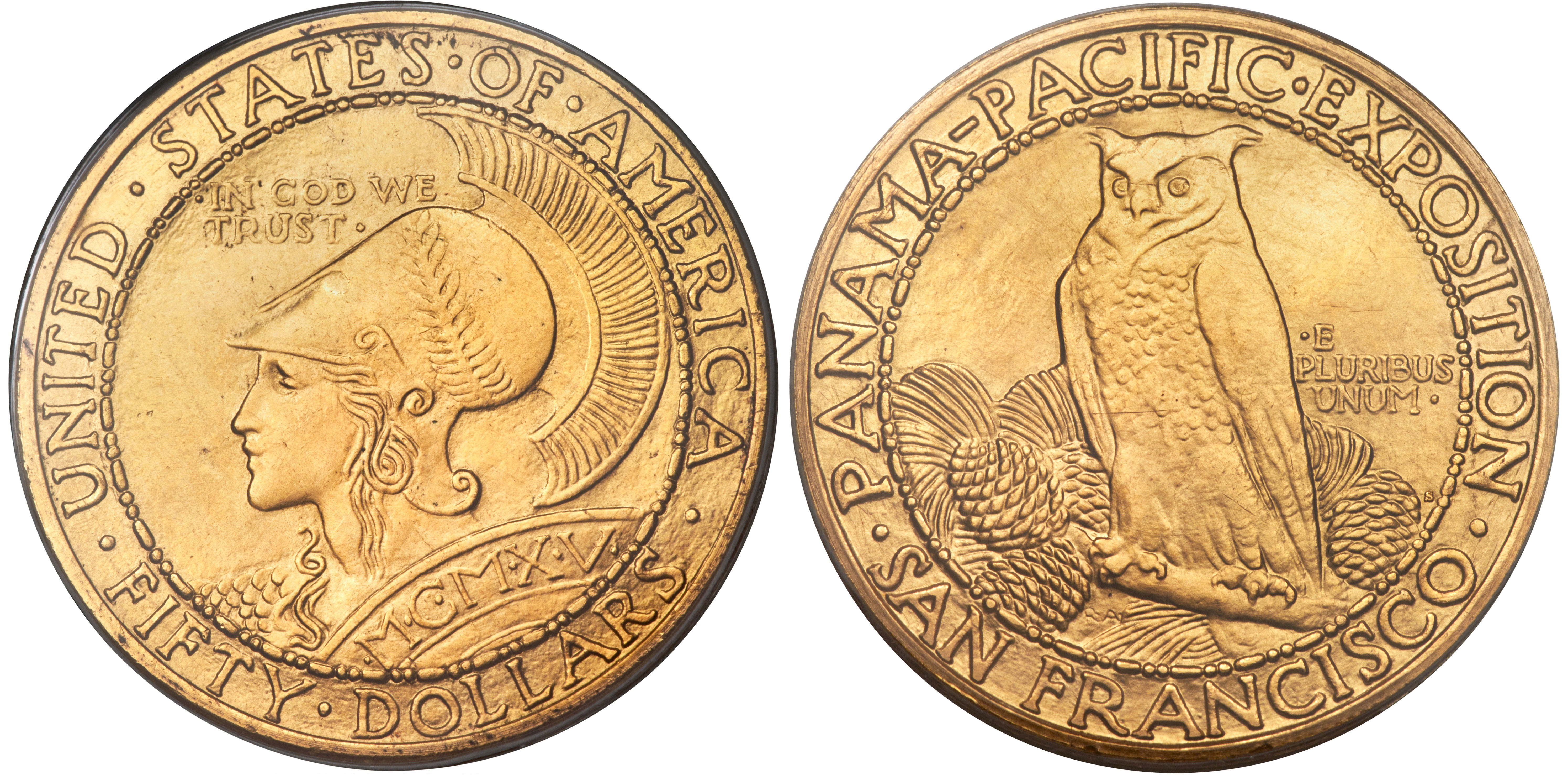
A key to the success of the Panama Canal was Colonel William P. Gorgas’ mosquito-eradication program, which saved thousands of workers’ lives. This example of a U.S. gold coin commemorating the construction of the Panama Canal and the rebuilding of the City of San Francisco sold for $152,750 at a January 2017 Heritage auction.

By Jim O’Neal

The French were no strangers to the Stegomyia fasciata. It was, after all, that tiny mosquito that wiped out the French troops Napoleon had dispatched to squash a slave uprising in Haiti and then the French-controlled colony of Saint-Domingue. From 1802 to 1803, yellow fever ravaged 50,000 troops, including their commanding officer General Emmanuel Leclerc. His replacement, General Rochambeau, retreated with a mere 3,000 soldier-survivors.

Experts estimate that twice as many soldiers were lost in Haiti than were killed in the world famous Battle of Waterloo!

Napoleon finally conceded that they were no match for this mysterious, silent killer and abandoned the ambitious plans to expand the empire into the Louisiana Territory, selling it for $15 million, which doubled the size of the young United States. It was an epic bargain for the United States and dramatically reduced the risk of future wars with France, which were almost inevitable.

Later in 1889, another Frenchman, Ferdinand de Lesseps, led a decade-long and terminally troubled attempt to build a canal across the Isthmus of Panama that crumbled after 20,000 workers (one-third of his force) died from yellow fever – a highly contagious, usually fatal disease contracted from a single mosquito bite.

Au revoir, monsieurs.

In America, the fever reached epidemic proportions as well. More than 300,000 cases were reported in the United States between 1793 and 1900; at times with mortality rates of up to 85 percent. The disease attacks the liver, turns the skin yellow, raises body temperatures and causes internal bleeding before the victim lapses into a coma. More U.S. troops were killed in the Spanish-American War by yellow fever than by the enemy. Yellow fever, nicknamed “yellow jack” after the pennants that flew to signal a quarantine, arrived in Central America in mid-16th century aboard slave ships travelling from Africa. Despite countless hypotheses, the cause of the disease and its rapid spread remained a mystery.

Dr. Carlos Finlay of Cuba had long theorized that mosquitos carried and spread yellow fever. The conventional medical establishment criticized Finlay, calling him “mosquito man.” But no one had a better idea. In desperation, U.S. Army Major Walter Reed, his fellow doctors, and a detachment of soldiers traveled to Havana in June 1900 and tested Finlay’s theory by volunteering to let indigenous mosquitos bite them.

On Aug. 27, Dr. James Carroll allowed himself to be bitten, fell ill with the disease, but survived. Reed survived his bout as well. Several other colleagues died and both Reed and Carroll sustained lasting damage to their health. The soldiers refused to accept a $250 bonus, believing it would cheapen their sacrifice. Public opinion was cynical and negative. American newspapers mocked the experiment or simply ignored it. Congress even denied a pension to one soldier, the first one who developed the test even though the experiment left him paralyzed.

Yet the team prevailed and in October 1900, Walter Reed finally declared publicly that “the mosquito served as the intermediate host for the parasite of yellow fever.” The disease’s cycle was soon unraveled. Female mosquitos picked up yellow fever in the first three days of a patient’s infection and became contagious after a 12-day incubation period with the pandemic disease.

Eventually, Maj. William Crawford Gorgas eradicated the disease in Panama and the Canal Zone. He also wiped out another mosquito that spread malaria and rats that carried bubonic plague. Gorgas’ triumph allowed the United States to begin their canal dig and finish it by 1914. Panama’s death rate from yellow jack had dropped to only half that of the United States.

Problem solved.

Intelligent Collector blogger JIM O’NEAL is an avid collector and history buff. He is president and CEO of Frito-Lay International [retired] and earlier served as chair and CEO of PepsiCo Restaurants International [KFC Pizza Hut and Taco Bell].
People Flocked to California in Hopes of Finding Instant Riches

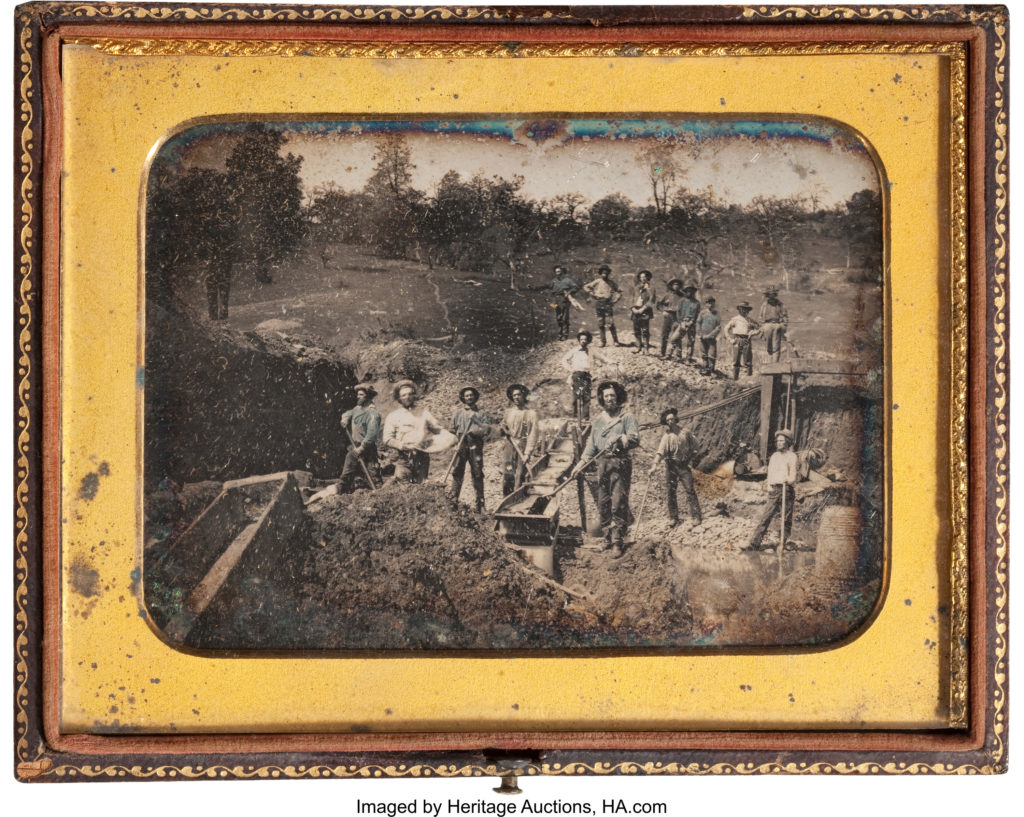
A daguerreotype of a California gold-mining scene by Robert Vance, circa 1850, sold for $83,650 at a May 2011 auction.

By Jim O’Neal

When Brigham Young heard that fellow Mormon Sam Brannan had been tithing the gold miners at the Mormon Diggings in California, he sent an envoy to demand the church’s money. In a version of the story circulated by sawmill operator John Sutter, Brannan replied, “You go back and tell Brigham Young that I’ll give up the Lord’s money when he sends me a receipt signed by the Lord!”

Brannan’s success transcended his dealings with local miners. As the rush to the mines accelerated, his Sacramento store did huge business, as much as $5,000 a day. With the proceeds, the wily entrepreneur opened additional stores throughout gold territory and constructed hotels, warehouses and other commercial buildings. In San Francisco, he organized a consortium that built the city’s first large wharf at a cost of $200,000. By quickly repaying all owner-investors, Brannan’s reputation and wealth continued to grow.

Sam Brannan is widely recognized as the first authentic millionaire in California.

When gold was discovered on the American River above Sutter’s Fort in January 1848, California was a sparsely populated frontier. The gold had been formed over a 200-million-year period with the constant recycling of the earth’s crust as minerals precipitated out in streaks or veins. Gold occurs in the crust of the earth at an average concentration of 5 parts per billion. But, the melting and cooling that produced the Sierra Batholith yielded veins of gold-bearing quartz as high as 100 parts per billion.

Most of this gold was trapped far below the surface of the earth, where it remained for tens of millions of years until the crust crumbled and the glaciers took over. The heat of the earth – which had driven the crystal plates to their collisions with the western edge of North America – then melted the rock and boiled out the precious metal. All that remained was for humans to harvest what the earth had collected. And they did so with enormous zeal.

The astonishing news of “Gold! In California!” prompted hundreds of thousands of people from around the world to flock to California in hopes of finding instant riches. They sailed from Australia and China, from Europe and South America. They ventured across the disease-plagued Isthmus of Panama and through the treacherous waters of Cape Horn. And they traveled by foot, wagon and horseback and over the towering Sierras. They abandoned wives and families, homesteads and farms.

Sacramento and San Francisco popped up overnight as did scores of mining camps. Entrepreneurs such as Leland Stanford, Sam Brannan and merchants like Levi Strauss amassed fortunes simply by supplying miners with picks and shovel, tents, food and other items needed to harvest the gold. By 1850, California had become a state … marking the fastest journey to statehood in United States history.

Sam Brannan hit a bad streak when a divorce forced him to liquidate his entire holdings to pay a court-ordered 50/50 division of assets … in cash. He died penniless and establishing a precedent that would plague future husbands who were divorced in California.

Intelligent Collector blogger JIM O’NEAL is an avid collector and history buff. He is president and CEO of Frito-Lay International [retired] and earlier served as chair and CEO of PepsiCo Restaurants International [KFC Pizza Hut and Taco Bell].
Bikes Symbolized Progress for a Nation Ready for Growth

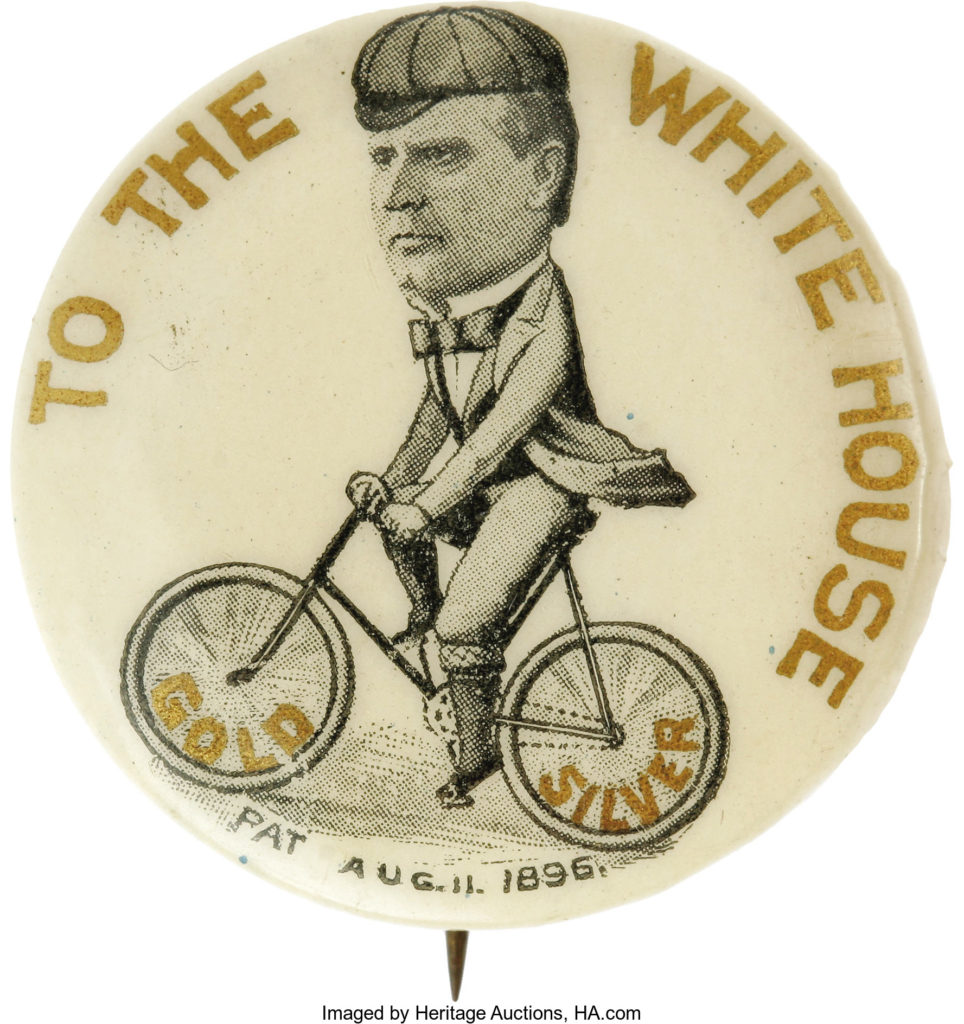
A rare campaign button shows presidential candidate William McKinley riding a bicycle at the height of the bike boom of the 1890s.

By Jim O’Neal

As the bicycle became more popular in the latter part of the 1800s, it was inevitable that millions of new enthusiasts would soon be demanding better roads to accommodate this object of pleasure, so symbolic of progress. It was hailed as a democratizing force for the masses and neatly bridged the gap between the horse and the automobile, which was still a work in progress.

The popularity of this silent, steel steed had exploded with the advent of the “safety bicycle” (1885), which dramatically reduced the hazards of the giant “high wheelers.” The invention of the pneumatic tire in 1889 greatly enhanced the comfort of riding and further expanded the universe of users. However, this explosion in activity also increased the level of animosity as cities tried to cope by restricting hours of use, setting speed limits and passing ordinances that curtailed access to streets.

There were protest demonstrations in all major cities, but it came to a head in 1896 in San Francisco. The city’s old dirt roads were crisscrossed with streetcar tracks, cable slots and abandoned street rail franchises. Designed for a population of 40,000, the nation’s third-wealthiest city was now a metropolis of 350,000 and growing. On July 25, 1896, advocates of good streets and organized cyclists paraded in downtown with 100,000 spectators cheering them on.

The “Bicycle Wars” were soon a relic of the past as attention shifted to a product that was destined to change the United States more than anything in its history: Henry Ford’s Model T. Production by the Ford Motor Company began in August 1908 and the new cars came rolling out of the factory the next month. It was an immediate success since it solved three chronic problems: automobiles were scarce, prohibitively expensive and consistently unreliable.

Voila, the Model T was easy to maintain, highly reliable and priced to fit the budgets of the vast number of Americans with only modest incomes. It didn’t start the Automobile Age, but it did start in the hearts and souls of millions of people eager to join in the excitement that accompanied this new innovation. It accelerated the advent of the automobile directly into American society by at least a decade or more.

By 1918, 50 percent of the cars in the United States were Model Ts.

There were other cars pouring into the market, but Model Ts, arriving by the hundreds of thousands, gave a sharp impetus to the support structure – roads, parking lots, traffic signals, service stations – that made all cars more desirable and inexorably changed our daily lives. Automotive writer John Keats summed it up well in The Insolent Chariots: The automobile changed our dress, our manners, social customs, vacation habits, the shapes of our cities, consumer purchasing patterns and common tasks.

By the 1920s, one in eight American workers was employed in a related automobile industry, be it petroleum refining, rubber making or steel manufacturing. The availability of jobs helped create the beginning of a permanent middle class and, thanks to the Ford Motor Company, most of these laborers made a decent living wage on a modern five-day, 40-hour work week.

Although 8.1 million passenger cars were registered by the 1920s, paved streets were more often the exception than the rule. The dirt roads connecting towns were generally rutted, dusty and often impassable. However, spurred by the rampant popularity of the Model T, road construction quickly became one of the principal activities of government and expenditures zoomed to No. 2 behind education. Highway construction gave birth to other necessities: the first drive-in restaurant in Dallas 1921 (Kirby’s Pig Stand), first “mo-tel” in San Luis Obispo in 1925, and the first public garage in Detroit in 1929.

The surrounding landscape changed with the mushrooming of gas stations from coast to coast, replacing the cumbersome practice of buying gas by the bucket from hardware stores or street vendors. Enclosed curbside pumps became commonplace as did hundreds of brands, including Texaco, Sinclair and Gulf. The intense competition inspired dealers to distinguish with identifiable stations and absurd buildings. Then, in the 1920s, the “City Beautiful” movement resulted in gas stations looking like ancient Greek temples, log cabins or regional Colonial New England and California Spanish mission style fuel stops.

What a glorious time to be an American and be able to drive anywhere you pleased and see anything you wished. This really is a remarkable place to live and to enjoy the bountiful freedoms we sometimes take for granted.

Intelligent Collector blogger JIM O’NEAL is an avid collector and history buff. He is president and CEO of Frito-Lay International [retired] and earlier served as chair and CEO of PepsiCo Restaurants International [KFC Pizza Hut and Taco Bell].
President James Polk Led America’s Way to the Pacific

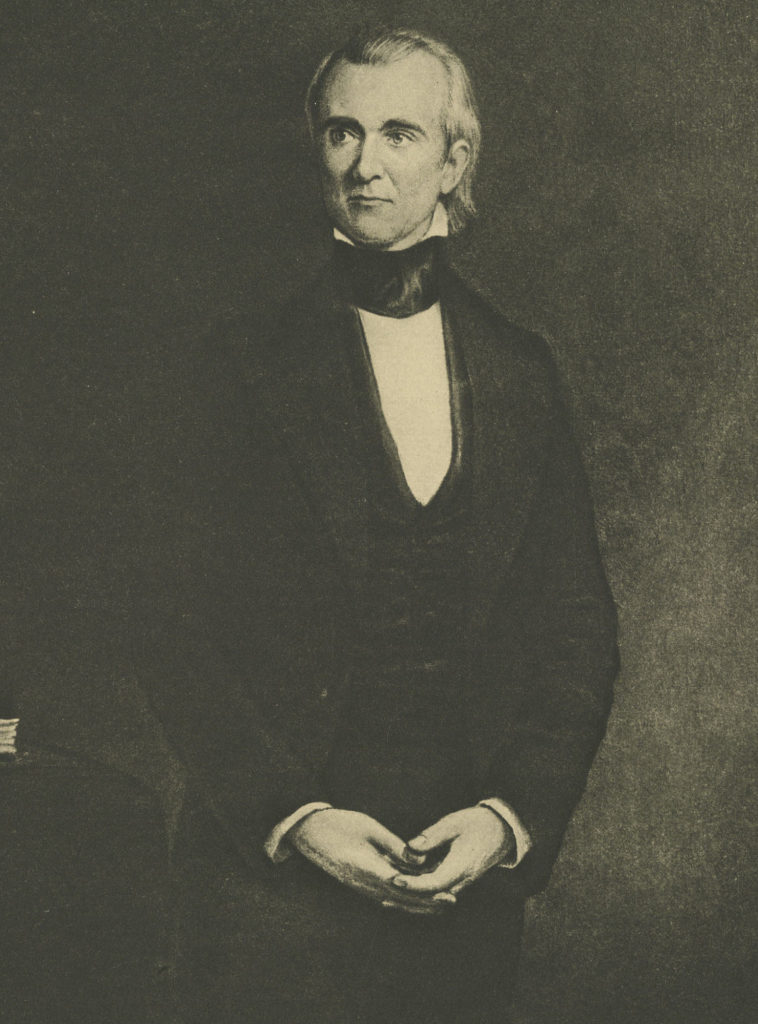
James Polk, a native of North Carolina, was a dark horse candidate for the Democratic nomination for president in 1844.

By Jim O’Neal

On the east wall of the president’s office in the White House in 1845 hung a large map of the North American continent. Either Andrew Jackson or Martin Van Buren had acquired it and the geographical details were as accurate as science at the time could provide. This imposing map greeted James K. Polk when he entered the office as the newly elected president.

The map was printed in paper sections and glued to a linen backing. The eastern half showed the United States, with bold letters indicating ports, state capitals, large towns and turnpikes of the era. It was basically archaic, absent the new railroads and fast steamboat routes to the commercial hubs in New York, Pittsburg and New Orleans. However, the western half remained true to life, representing a vast land that lay wild and generally unused. For 300 years, Spanish landlords had largely left it undisturbed.

Now the Americans wanted it.

Their lust to possess was so strong and so emotional that it had the fervor of a religious awakening. With new territory, the republic would be free to expand, perpetuating Thomas Jefferson’s dream of a nation of farmers, counterbalancing the business and industry interests that dominated the urban East. In effect, it held the solution to saving the common man from the growing squalor of large, overcrowded cities. American expansion had not been a priority during Jackson’s tenure in office. In Polk’s, it was paramount.

The arrival of the Polks in Washington, D.C., in mid-February was greeted with more curiosity than enthusiasm. Polk was not well known as a public figure and everyone wanted to see the “dark horse” that had speared the presidency. He was only 49, the youngest president yet. Wife Sarah was a devout Presbyterian and loyal follower of the evangelical movement sweeping the United States. They quickly became viewed as partners in policy and politics, with strong views on important issues.

President Polk detested the idea of a National Bank, loathed the concept of big government and proved decidedly Southern, styling himself a true Jeffersonian. He expressed this comparison by moving David d’Anger’s bronze image of Thomas Jefferson from the Capitol to the White House lawn north portico, atop a pedestal of stucco brick. It remained there for 27 years, the only monument to a president ever to stand within the immediate enclosure of the White House.

However, the 1844 election had been about one grand issue: territorial expansion, with Mexico the obvious target. Manifest Destiny, a phrase popularized by Democrats to describe the sincere belief that the United States was divinely driven to rule from sea to sea, swept the nation. President Polk wholeheartedly endorsed the concept and as the annexation of Texas poisoned Mexican-American relations, the border between the two countries remained in dispute.

The United States claimed the Rio Grande as its southwest boundary and Mexico fixed it at the Nueces River. Polk dispatched John Slidell to Mexico to offer compensation for acceptance of the Rio Grande boundary, as well as an offer to purchase New Mexico and California. When this failed, Polk prepared for war by ordering General Zachary Taylor to bivouac 3,500 men in Texas. The Mexican Minister called the State Department for his passport and sailed home, severing diplomatic ties between the two countries.

The war arrived almost as if it was on a fixed schedule.

In April 1846, Mexican troops engaged Taylor’s forces in the disputed territory, thus providing Polk a concrete act of aggression on which to base his request for a Congressional declaration of war. On May 11, Polk charged “Mexico has passed the boundary of the United States, has invaded our territory and shed American blood upon American soil.” Congress declared war two days later and General Taylor pressed south, defeating the enemy at Palo Alto and Resaca de la Palma and then capturing Monterrey. Then General Winfield Scott took Vera Cruz and occupied Mexico City. In January 1847, California fell into American hands, leading to the Treaty of Guadalupe Hidalgo and the end of the war.

The border was fixed at the Rio Grande and Mexico relinquished all or parts of modern California, Nevada, Utah, Wyoming, Colorado, Texas, New Mexico and Arizona. The United States acquired more than 500,000 square miles, the largest single annexation since the Louisiana Purchase. Mexico was reduced to half its former size.

Inevitably, the discussion then quickly switched to the issue of whether to allow slavery in the newly acquired territory, a debate that would linger long after President Polk retired after his four-year term of office, as promised before his election. There are no records I can find regarding the fate of that aspirational map that was hanging in his office when he arrived. It would have required significant revisions to reflect all the changes that occurred in four short years.

Intelligent Collector blogger JIM O’NEAL is an avid collector and history buff. He is president and CEO of Frito-Lay International [retired] and earlier served as chair and CEO of PepsiCo Restaurants International [KFC Pizza Hut and Taco Bell].
President Ford’s Primary Task was Healing a Nation

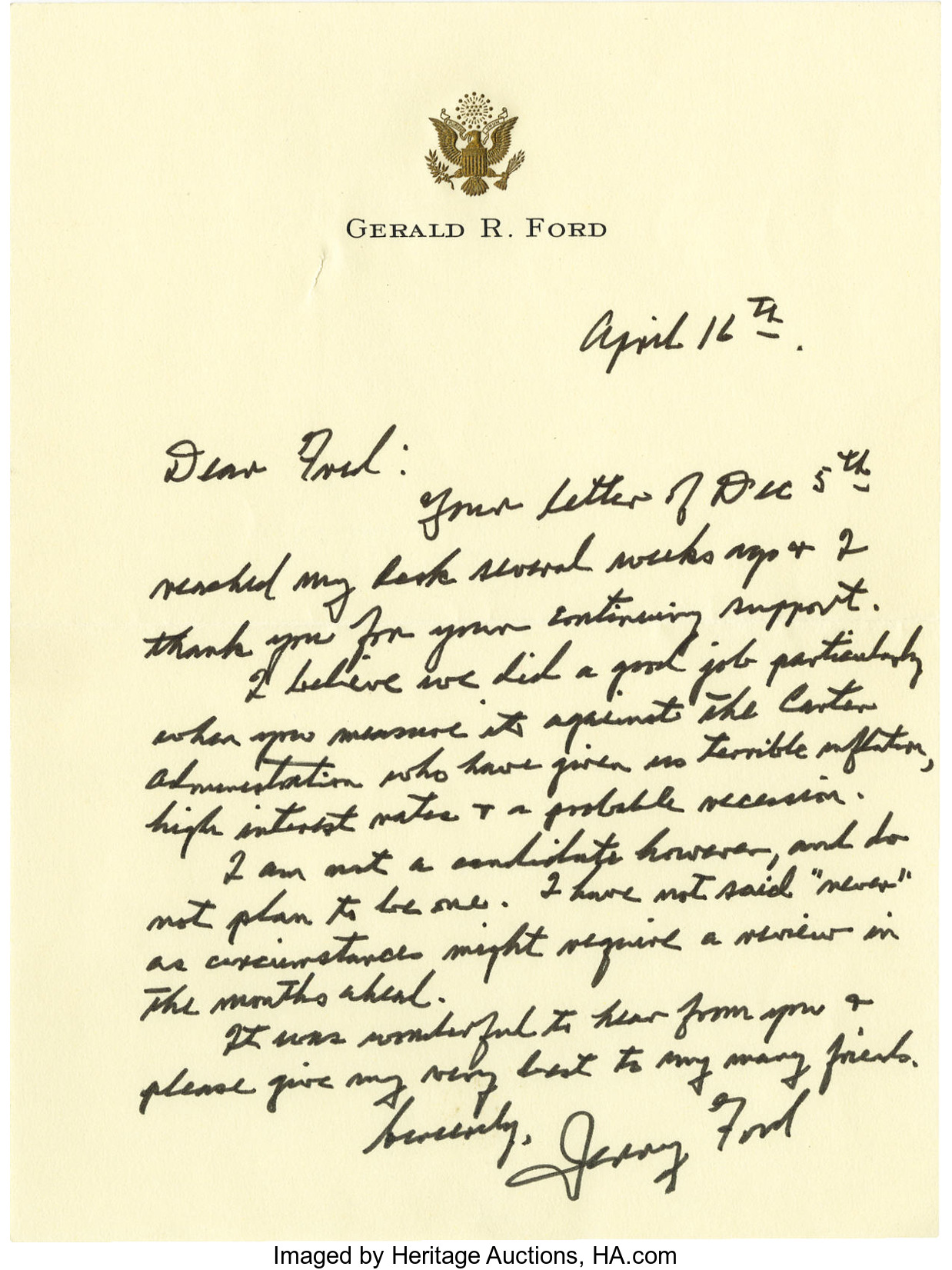
A letter by Gerald R. Ford, signed and dated April 16, 1979, sold for $5,078 at an April 2007 Heritage auction.

By Jim O’Neal

Gerald Rudolph Ford (Leslie Lynch King Jr. at birth) was an uncomplicated man tapped by destiny for one of the most complex jobs in history. The first non-elected president and first vice president confirmed by the Senate, he was tasked with healing the nation’s wounds caused by the Vietnam War and the severe divisions resulting from the Watergate scandal. Atypical from the usual driven personalities in the Oval Office, Ford restored calm and confidence to a nation while ushering in a period of renewal for American society.

A year before his inauguration, it would never have occurred to Ford (1913-2006) that he would be thrust into the presidency. The highest office he ever aspired to was Speaker of the House of Representatives; and that seemed out of reach because the Democratic Party had a stranglehold in the House. As a result, Ford had decided to retire after the November 1974 elections.

President Ford

Suddenly, in October 1973, President Richard Nixon appointed him vice president in the wake of Spiro Agnew’s resignation. “Remember, I’m a Ford, not a Lincoln,” he said modestly when he assumed responsibility on Dec. 6, 1973. He was at peace with himself and provided a sense of restored purpose, blissfully unaware of the collapsing presidency and seemingly endless revelations of misconduct at high levels in the administration.

One bright spot was that even as it approached dissolution, the Nixon administration managed to navigate the Arab-Israeli War of 1973 and diminish the Soviet position in the Middle East by successfully sponsoring a complicated triangular diplomacy with Moscow and Beijing. The disintegration of executive power did not lead to a collapse of our international position. Nixon’s prestige after five years of foreign policy now came close to a policy of bluffing, but the sleight of hand grew more difficult and it was unsustainable.

As impeachment proceedings gathered momentum, Nixon’s personal conduct began to mirror his political decline. He kept abreast of policy issues and made key decisions, but Watergate absorbed more of Nixon’s intellectual and emotional capital. Routine business became more trivialized by the increasingly apparent inevitability of his downfall. His tragedy was largely self-inflicted and the only question was, “How long can this go on?”

Then on July 31, it was revealed that one of the tapes the Supreme Court ordered to be turned over to the Special Prosecutor was the long-sought “smoking gun”— conclusive proof of Nixon’s participation in the cover-up. On the tape, Nixon was clearly heard instructing Chief of Staff H.R. Haldeman to use the CIA to thwart an FBI investigation into the Watergate burglary.

With the tape’s release, Ford took the unprecedented step on Aug. 6 of disassociating from the president at a Cabinet meeting. He would no longer defend the president and said he would not have done so earlier had he known. Publically, he maintained silence as a “party in interest” (probably another first).

But it was the morning of Aug. 9, 1974, that witnessed one of the most dramatic moments in American history. At 9:30 in the East Room, Richard Nixon bade farewell to his staff. At 12:03 that same day, in the same room, Gerald R. Ford was sworn in as the 38th president of the United States.

Earlier, General Alexander Haig had handed Nixon’s formal resignation to Henry Kissinger in his role as Secretary of State. All presidential appointments are countersigned by the Secretary of State and, by the same token, resignations of a president and vice president are made to the Secretary of State as well. With the resignation of Spiro Agnew on Oct. 10, 1973, and Richard Nixon as president on Aug. 9, 1974, Kissinger achieved what we must hope will remain the permanent record for receiving high-level resignations … forever!

Our long national nightmare had finally come to an end.

Intelligent Collector blogger JIM O’NEAL is an avid collector and history buff. He is president and CEO of Frito-Lay International [retired] and earlier served as chair and CEO of PepsiCo Restaurants International [KFC Pizza Hut and Taco Bell].
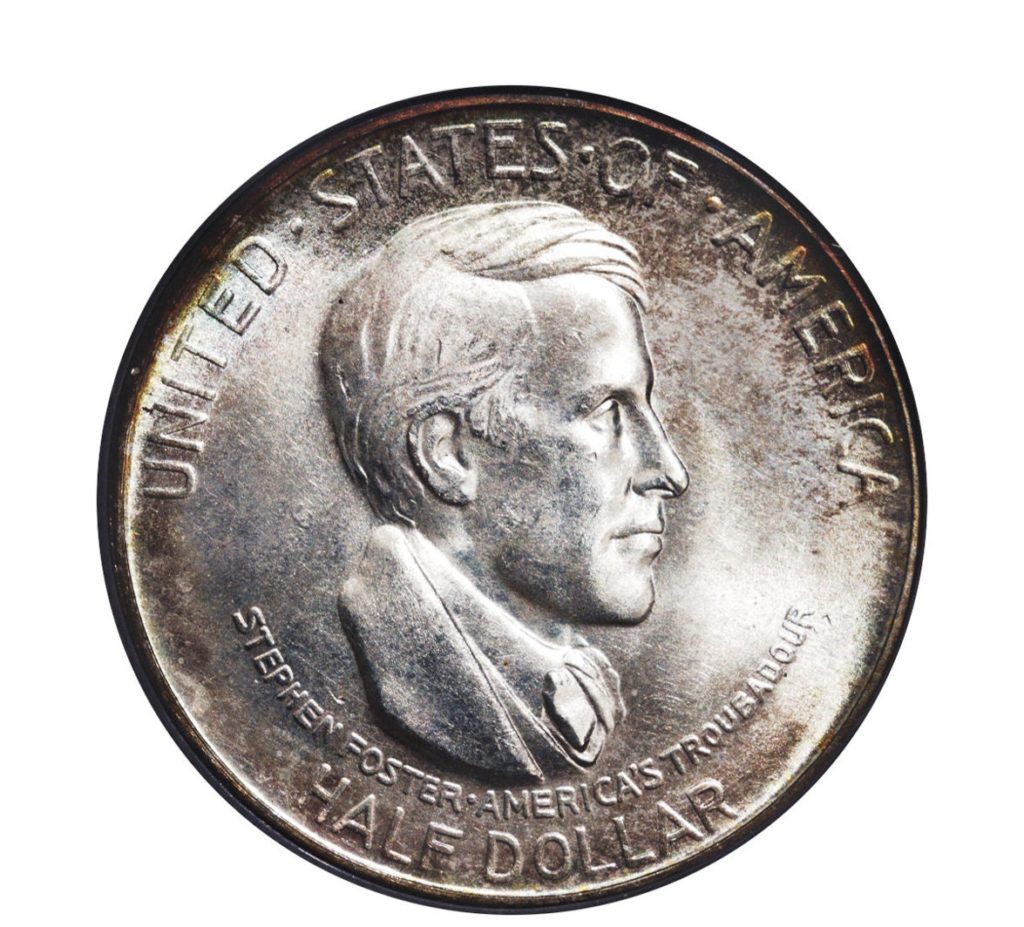
Songwriter Stephen Foster Reflected Yearnings of a Young Nation

By Jim O’Neal

The life of Stephen Foster had an auspiciously American beginning. Like the great stage patriot George M. Cohan, Foster was born on the Fourth of July (Cohan’s birth certificate actually shows a date of July 3). But in the case of Foster, it was no ordinary Fourth. It was July 4, 1826, to be exact, which marked the passing of two great Americans: John Adams and Thomas Jefferson, both having served as vice president and president of the United States. Foster came into this world as they were leaving it.

It was also a memorable date in American history, marking the 50th anniversary of the Declaration of Independence, a time when America was still emerging from its colonial past and establishing its own distinctive culture.

Stephen Foster (1826-1864), like most children in his social class, spent many afternoons playing and singing at the piano. But Foster was more interested in music he heard outside the home: the growing popularity of the “minstrels.” These were white-men-in-black-face performances of the 1830s and 1840s, which dominated the theaters. At once racist and patriotic, these shows permitted Americans (specifically whites) to join in expressing their superiority to the black man, an unfortunate “unifying event” in a nation of immigrants.

However, for the young Foster, who often returned home from the theater and put on minstrel shows of his own for friends, there was much more. There was something fascinating about the black music and lyrics he heard, even as they were twisted for derogatory effects. He developed a sympathy that he carried forward years later when, as a bookkeeper in Cincinnati, he decided to become a professional songwriter. And what an astounding, prolific artist he became!

From his office window on the docks of the Ohio River, Foster marveled at the music of immigrants from Germany, Italy and Scotland … and especially from the blacks who had come to Cincinnati to work on the docks. Now Foster could hear real African-American music, not just the caricatures of the minstrel men, and it captivated him. Locked in complete silence in his study, Foster carefully incorporated the diverse melodies he’d absorbed from the many varieties he heard. First working through them note by note on the flute, then playing them full-out on the piano until they became the raw material for his own music.

In the end, Foster’s lasting appeal was his ability to draw on this reserve from which he created a uniquely American sound. Borrowing from elements of Irish songs, Italian opera, minstrel music and black spirituals, he created simple melodies that spoke to human needs of family and heartbreaks.

The results were staggering.

His first minstrel song in 1846, “Oh, Susanna,” was a smash hit. Arriving at a time when national pride was beginning and new technologies were uniting people across the nation, it caught on like no song before it. The previous most popular piece of sheet music had sold 5,000 copies. “Susanna” would sell over 100,000 and instantly become part of our cultural heritage. California miners hummed it while they dug for gold. Black rowers sang it in the East and South. It was easily the most sung song in America.

After this success, Foster became serious about making a living in music and publishers billed him as the “Songwriter of America.” In 1850, he wrote 16 songs. In 1851, 16 more. Then would come a flood of hits that are too numerous to list. He toned down the dialect, dropped the term “minstrel” and blended the black experiences into metaphors for all manner of American yearnings, especially the one for “home.”

The Father of American music churned out over 200 classics. Then it all came to a sudden halt when he died from a mysterious fall. Stephen Collins Foster was a mere 37 years old when his genius stopped. Yet on the first Saturday of May each year since 1875 (uninterrupted), people gather at Churchill Downs in Louisville to witness “the most exciting two minutes in sports” … the Kentucky Derby. Among the many traditions of mint juleps, burgoo and women’s accessorized hats, the University of Louisville marching band will play his “My Old Kentucky Home.”

Not bad for a shy lad born on the 50th anniversary of our defiant Declaration, which we still rely on today.

Intelligent Collector blogger JIM O’NEAL is an avid collector and history buff. He is president and CEO of Frito-Lay International [retired] and earlier served as chair and CEO of PepsiCo Restaurants International [KFC Pizza Hut and Taco Bell].