
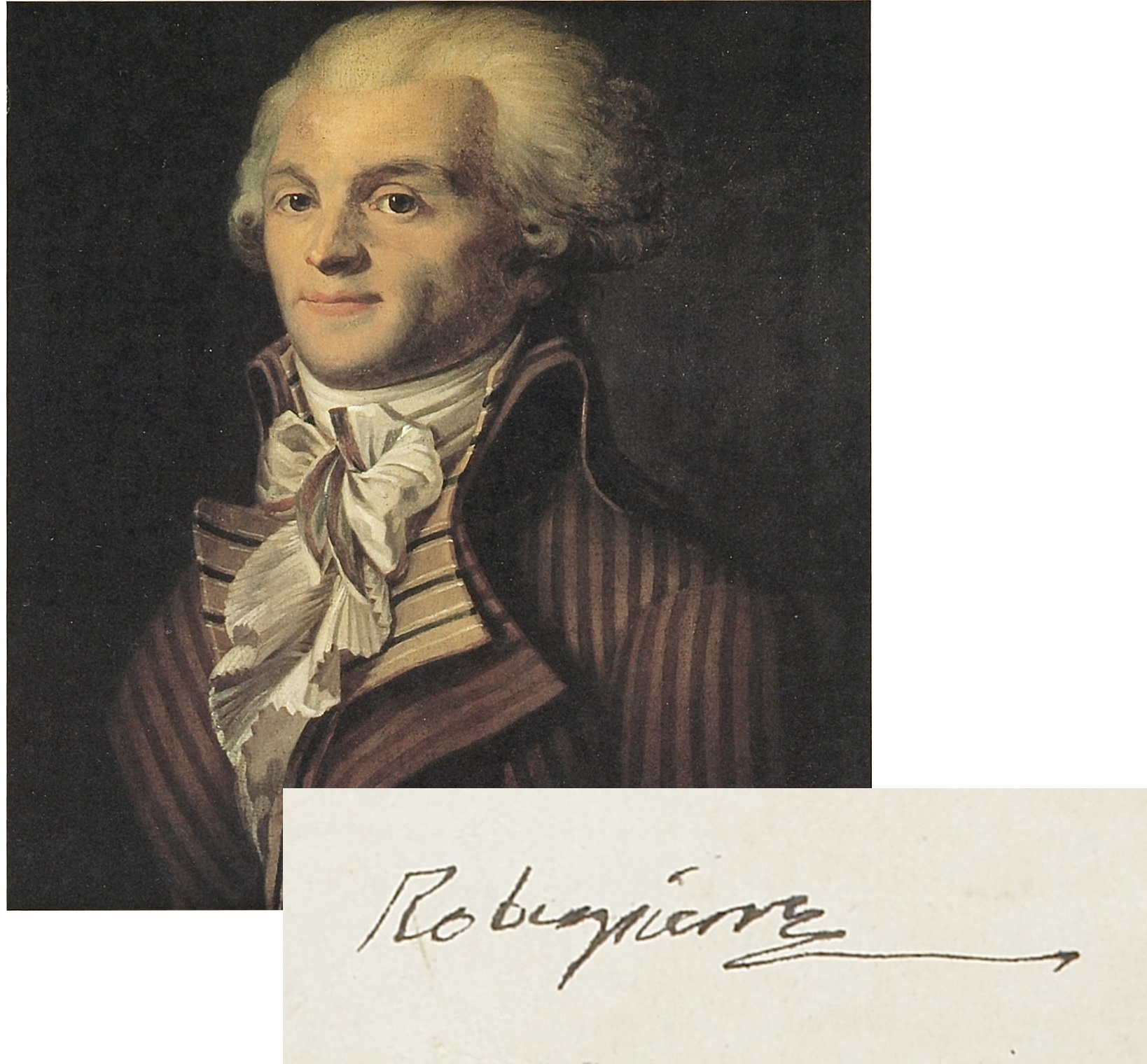
France has Seen its Share of Political Vicissitudes

Maximilien Robespierre’s signature was offered at a December 2008 Heritage auction.

“The world’s cemeteries are filled with indispensable men.” – Attributed to Charles de Gaulle (among others)

By Jim O’Neal

When our managers would occasionally identify a particularly valuable individual, I would often borrow this insight and suggest a simple test for people believed to be irreplaceable: “Have them stick a finger in a glass of water and watch the hole it leaves when they take it out.”

No one ever passed the test.

At several points following its revolution in 1789, France has gone through a number of surprising political vicissitudes. When lawyer and politician Maximilien Robespierre (1758-1794) introduced the guillotine during the “Reign of Terror,” even revolutionary sympathizers soon longed for the earlier authoritarianism, conservatism and piety or devotion to sanity. Even as Robespierre’s power increased, his popularity waned to the point that on July 28, 1794, he was sent to the guillotine with Louis Antoine de Saint-Just, Georges Couthon and 19 others.

Charles X, whose dogmatism brought on the July Revolution of 1830, believed that France’s finances should be reformed, but without overthrowing the monarchy. “It is a time for repair, not demolition.” He spent lavishly and accumulated enormous debts. Critics called him a “weak character with an empty mind.” He was the last of the rulers from the House of Bourbon.

The “Citizen King” Louis Philippe, simple and physically courageous, was an enthusiast for democracy. Upon his accession, he assumed the title King of the French, linking the monarchy to a people rather than a territory. The France of his era (1830-1848) was creative, with its inventions spreading around the world: the stethoscope, braille, the sewing machine. But, in the end, he was forced to abdicate by the French Revolution of 1848.

Napoleon III was elected by a direct popular vote in 1848 and made emperor through a plebiscite. He was the first head of state to hold the title of president and youngest until Emmanuel Macron was elected this year. He remains the longest-serving French head of state (1852-1870) since the Revolution. Napoleon rather foolishly entered the Franco-Prussian War without any allies, was soundly defeated and forced into exile.

Finally, there was Charles de Gaulle, the most successful leader France has had in 200-plus years. Oddly, Philippe Pétain, who led the French government that collaborated with the Nazi’s in WWII, made an official statement for de Gaulle’s obituary that was glowing in admiration. What made it odd was that it appeared in 1916 when de Gaulle was believed to be among the dead at the Battle of Verdun. By the time de Gaulle actually died in 1970, Pétain had been dead for decades and infamous for the dishonorable peace he concluded with Nazi Germany.

France now appears to be at another great crossroads in history. Amid economic stagnation, France must assimilate millions of Muslims descended primarily from North African immigrants. ISIS-affiliated terrorists have slaughtered hundreds through targeted assassinations, nightclub shootings, music hall hostage-taking, and truck hijackings to barrel through crowds. France’s top general recently resigned over a dispute with President Macron.

One almost expects another descendant of Napoleon to appear on a white stallion and rescue Paris … “The City of a Thousand Lights” and my personal favorite city on the planet.
Intelligent Collector blogger JIM O’NEAL is an avid collector and history buff. He is president and CEO of Frito-Lay International [retired] and earlier served as chair and CEO of PepsiCo Restaurants International [KFC Pizza Hut and Taco Bell].
‘Citizen Kane’ Fosters a Contrived Fiction of William Randolph Hearst

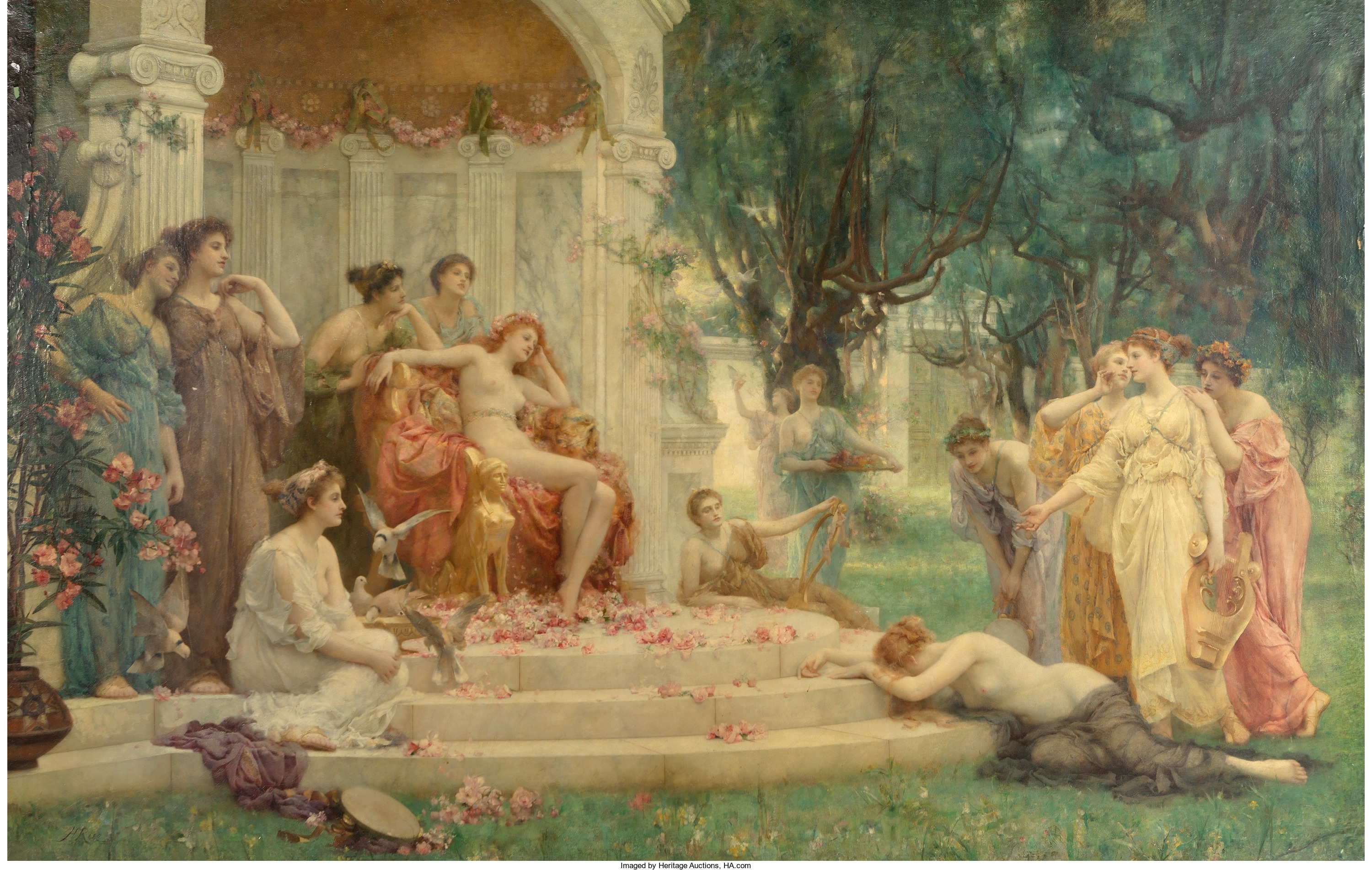
Henrietta Rae’s oil on canvas Psyche Before the Throne of Venus, 1894, once owned by William Randolph Hearst, sold for $324,500 at a May 2017 Heritage auction.

By Jim O’Neal

The American Film Institute consistently ranks Citizen Kane at No. 1 on its list of the 100 Greatest Films of All Time, closely followed by The Godfather (1972) … my favorite … and Casablanca (1942). Citizen Kane was nominated for nine Academy Awards and snagged the one for Best Writing (Original Screenplay).

Despite the critical success, the film flopped at the box office, failed to recoup its production costs and gradually faded from view. William Randolph Hearst’s ban of any mention of the film in any of his vast network of newspapers was no doubt a contributing factor in its mediocre financial performance. Hearst (1863-1951) had a valid rationale for this unusual level of censorship, since the film was a thinly veiled biopic covering his entire life (using an effective, flashback technique) and his long-standing relationship with actress Marion Davies.

In addition, his architectural masterpiece at San Simeon on the sparkling California coastline was parodied in the film by a castle called Xanadu, located in Florida as an added insult.

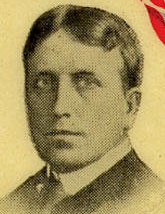
Hearst

After Hearst’s death in 1951, the film underwent a remarkable resurrection … rivaling Lazarus of Bethany being restored to life by Jesus four days after his death. Citizen Kane’s revival trajectory is so persistent that it’s probable that the next three generations of movie fans will be transfixed by two dramatic scenes in the movie. The first is a dying Charles Foster Kane (played by Orson Welles) literally gasping the word “Rosewood” as a sled is tossed into the fireplace with the voiceover “throw that junk in.” And Susan Alexander Kane (Marion Davies) alone in a dark cavernous room – jigsaw puzzles scattered around her.

Hearst’s beloved hilltop home, which he called “La Cuesta Encantada” (The Enchanted Hill), was cast by the spooky Xanadu, a forbiddingly deserted pile filled with meaningless junk. In the scholarly world, Hearst Castle is the name most commonly used for the estate since the 1930s, although Hearst is only recorded once as using it.

Of course, the real lives of Hearst and Davies differed in many important ways. Welles had never been to San Simeon or even met Hearst or Davies. The film’s images were conjured up by Welles, his collaborator John Houseman and screenplay co-author Herman Mankiewicz, a writer who had been a guest at San Simeon.

Yet historians, critics and the general public have been content to rely on the lore of a two-hour film for their insights into Hearst and Davies … to no great harm other than fostering a contrived fiction. It is the crude Xanadu, which mars the splendor of the real California coastline with the amazing Hearst Castle’s 360-degree view from 1,600 feet above the Pacific Ocean peeking through the morning fog, that rankles many (including me).

Little thought has been given to the probability that Hearst’s buying methods were by his choice rather than the side effect of money and ignorance. His omnium-gatherum approach to collecting was personal rather than the critics’ inaccurate assumption that it was all purchased in a dealer-inspired grand pillage of a Europe desperate for cash to rebuild after WWI. Just consider the letter to his architect Julia Morgan to capture his other love, animals: “How about a maze in connection with the zoo. I think getting lost in the maze and coming unexpectedly upon lions, tigers, pumas, panthers, wild cats, macaws and cockatoos would be a thrill for even the most blasé.”

He was a generous man and I suppose if you had a particular yen for an ibex, one would have been provided to take home! They actually had 50 dachshunds in the kennels as gifts for animal-lover guests. Also, consider the extravagant excesses: One year, on Easter Sunday, guests awoke to find the castle surrounded by Easter lilies in bloom – planted during the night by a battalion of gardeners working under floodlights.

This is the marvel of the American West, if not the Western world, that I saw on tour.

So what if the man had an Edifice Complex. He could afford it.

Intelligent Collector blogger JIM O’NEAL is an avid collector and history buff. He is president and CEO of Frito-Lay International [retired] and earlier served as chair and CEO of PepsiCo Restaurants International [KFC Pizza Hut and Taco Bell].
Victoria Not Exactly the Prudish Queen of History Books

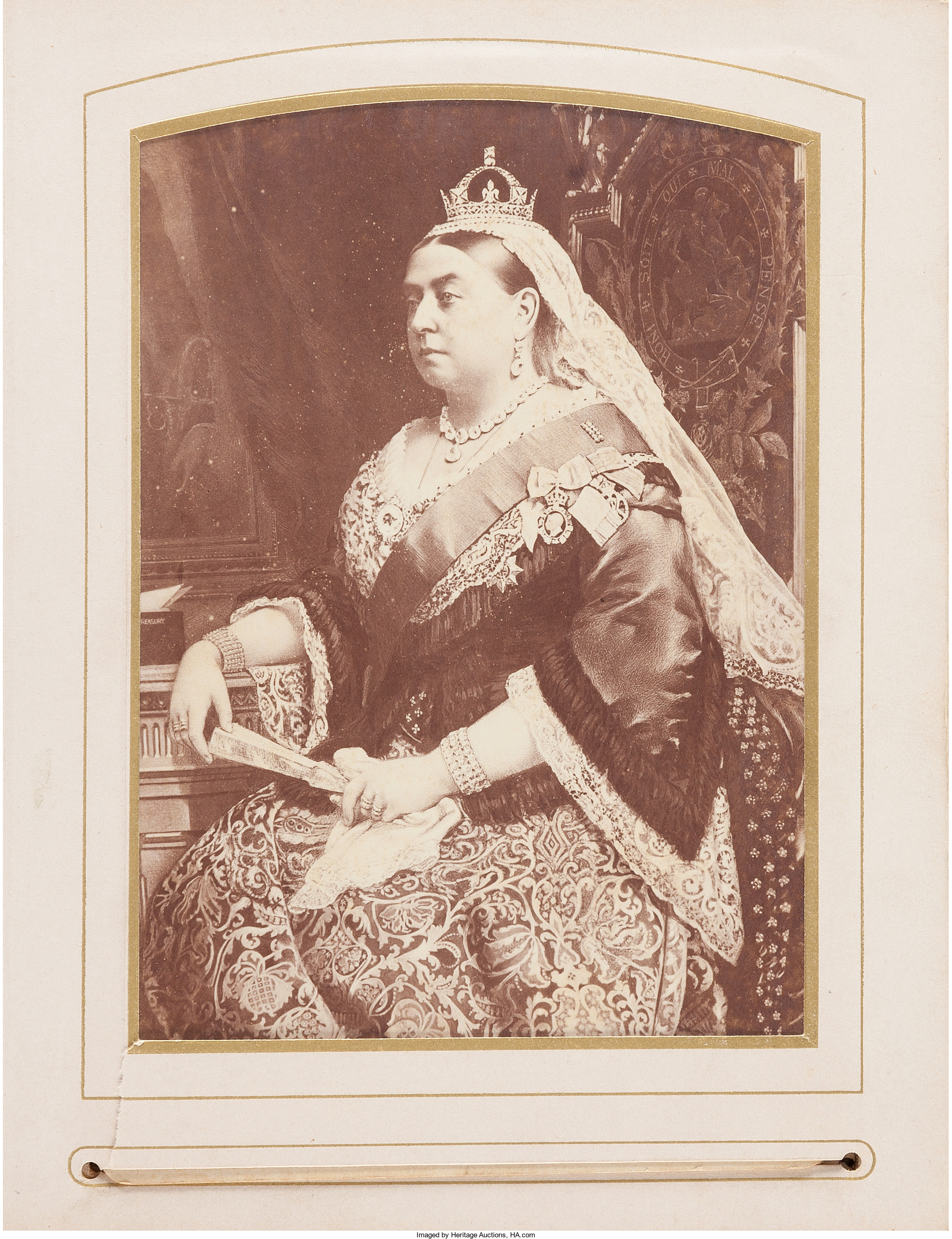
A photo album celebrating Queen Victoria’s diamond jubilee went to auction in October 2014.

By Jim O’Neal

In an era known for great leaps in innovation and industrialization, Mark Twain opined, “She will witness more things invented than any other monarch that ever lived!”

There is no easy way to quantify this observation and no practical value in affirming or refuting its veracity. One only has the luxury of taking a pragmatic assessment of this historical epoch, compounded by the astonishing longevity of her reign as Queen of England (surpassed by Elizabeth II in October 2016).

Christened Alexandrina Victoria, Queen Victoria (1819-1901) was the first British monarch to be photographed, but what we remember is the figure of a monarch in profile: short and heavy. Accident and tragedy put her on the throne soon after her 18th birthday in 1837 and there she stayed for 63 years and seven months until her death following a series of strokes.

Married in February 1840 to first cousin Prince Albert of Saxe-Coburg-Gotha (Germany), the queen’s power began to erode slowly with an ultimate role reversal. Over the course of their 21-year marriage, Albert became ensconced in the world of governance, while Victoria receded to the domestic realm. Albert was loyal, but he was a diligent misogynist who believed that ruling was a male prerogative.

Queen Victoria was pregnant for a total of 80 months, giving birth to nine children, all attaining adulthood, over a 17-year period. After the ninth child, the royal physicians advised that – at almost 38 years old – this should be the last one. She quickly responded, “Can I have no more fun in bed?” She was a woman who shocked with her candid approach to pregnancy and did nothing to hide her obvious sexual appetite. This is clearly not the prudish queen of history books who lent her name to an entire era known for the repression of emotional and sexual feelings.

A pure iconoclast, she was emotional, demonstrative, sexual and driven. She loved to dance and was fervently opposed to animal cruelty. She gamely survived eight assassination attempts. She was wildly in love with Prince Albert and suffered a bottomless grief at his early death in 1861 – a full 40 years before her own passing. It is commonly believed that after his death, she withdrew from public life, essentially abdicating her responsibilities. Actually, she used the stereotype of her sex to advantage … claiming nervous weakness while ruthlessly micromanaging her political cabinet, often sending them hourly orders.

This apparent dichotomy was fostered, since her historical image was curated by those closest to her. Daughter Beatrice transcribed her mother’s journals. She edited out everything that reflected poorly on her, and then burned the originals in what has been described as “the greatest act of censorship in history.” Yet today, the keepers of the physical details of Victoria’s death prefer they not be published. That the queen lived with a painful prolapsed uterus for decades is a secret that was meticulously concealed.

In a similar manner, her family tried to erase all evidence that she cared deeply for any of the other men in her long life, except for her adored Prince Albert. Victoria’s sanitized, puritanical mythology was a creative act of fiction, intended to illuminate the woman those around her wanted her to be.

Girls just want to have fun.

Intelligent Collector blogger JIM O’NEAL is an avid collector and history buff. He is president and CEO of Frito-Lay International [retired] and earlier served as chair and CEO of PepsiCo Restaurants International [KFC Pizza Hut and Taco Bell].
Martin Luther Launched a Revolution that Forever Changed Europe, World

In a world without modern communication, it is hard to understand how so many came to hear about Martin Luther and his scruples.

By Jim O’Neal

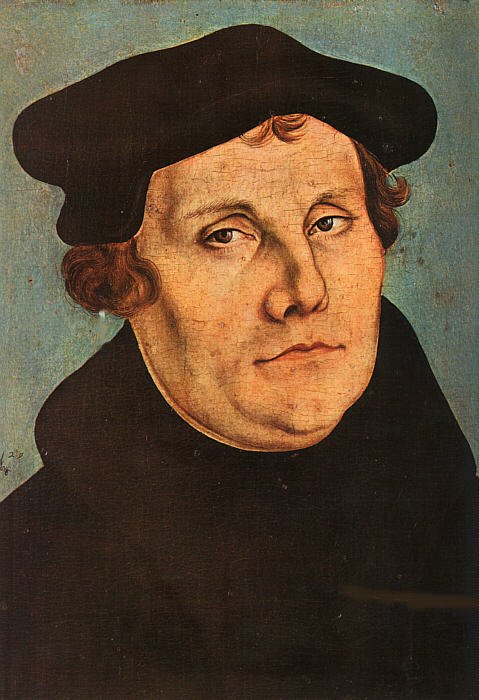
Five hundred years ago, in the autumn of 1517, an obscure monk and teacher of theology at the University of Wittenberg (Germany), issued a public invitation to a theological debate that would ultimately transform Europe. This was a routine practice in the academic world and a valuable tool for training students.

Deeply concerned by what he saw as corrupt practices in the Catholic Church, Martin Luther (1483-1546) chose one of the most sensitive issues to fully expose his views: the sale of “indulgences” – a popular means by which pious Christians could make financial contributions to the Church in return for the hope of remission of their sins in the afterlife. He was not the first to criticize the practice of indulgences and he did so without much hope that theologians would heed his challenge and, in fact, the debate never took place. Instead, he wrote a series of 95 theses (arguments), which he then circulated within the university. According to some reports, he also nailed them to the door of the Castle Church in Wittenberg.

The theses were soon widely published, prompting Pope Leo X to first charge Luther with heresy and later excommunicate him from the Church. (The Holy Roman Emperor simply condemned him). He responded by breaking with the Catholic faith, and initiating the Reformation – the rise of churches based on reformed practices and a focus on scriptures rather than priestly authority. Because of these protests against Catholic practices, they became known as Protestant churches.

Reformation ideas then spread quickly by the new technology of printing. Before moveable type and presses, books were handwritten in Latin, the international language of the Church. Printing allowed information to be produced cheaply and quickly. Luther still wrote his theses in Latin, but they were then translated and printed in German, French and English. In 1517, Martin Luther was an unknown academic in search of a cause. Only a few years later, he was the most published author in the history of Christendom.

Much about Luther’s career is utterly improbable. In a world without modern communication, it is hard to understand how so many came to hear about Luther and his scruples. His 95 theses reflected a smoldering anger that raised eyebrows in sophisticated circles, but they also inflamed rebellion across the German countryside in 1524 as peasants took up arms against their harsh conditions. Such revolts were not new, but they claimed to be inspired by Luther, a charge he repudiated. But, his series of passionate pamphlets first piqued the interest of a wide public and then formed a popular movement.

In later life, Luther often looked back in wonder on the extraordinary events that followed his impetuous act of conscience: the Church hierarchy’s attempt to quell his protest, his escalating acts of defiance, his condemnation and excommunication, the public outcry that followed. The facts were plain. Europe, once united under the Pope of the Roman Catholic Church, was now irrevocably split into Catholic and Protestant states. The seeds Martin Luther had sown ensured a century of conflict as subjects took up arms against their rulers, kings and princes clashed, and nations attacked nations in the name of religion.

Sound familiar?

Intelligent Collector blogger JIM O’NEAL is an avid collector and history buff. He is president and CEO of Frito-Lay International [retired] and earlier served as chair and CEO of PepsiCo Restaurants International [KFC Pizza Hut and Taco Bell].
Civil War Saw Train Chase Worthy of a Hollywood Movie

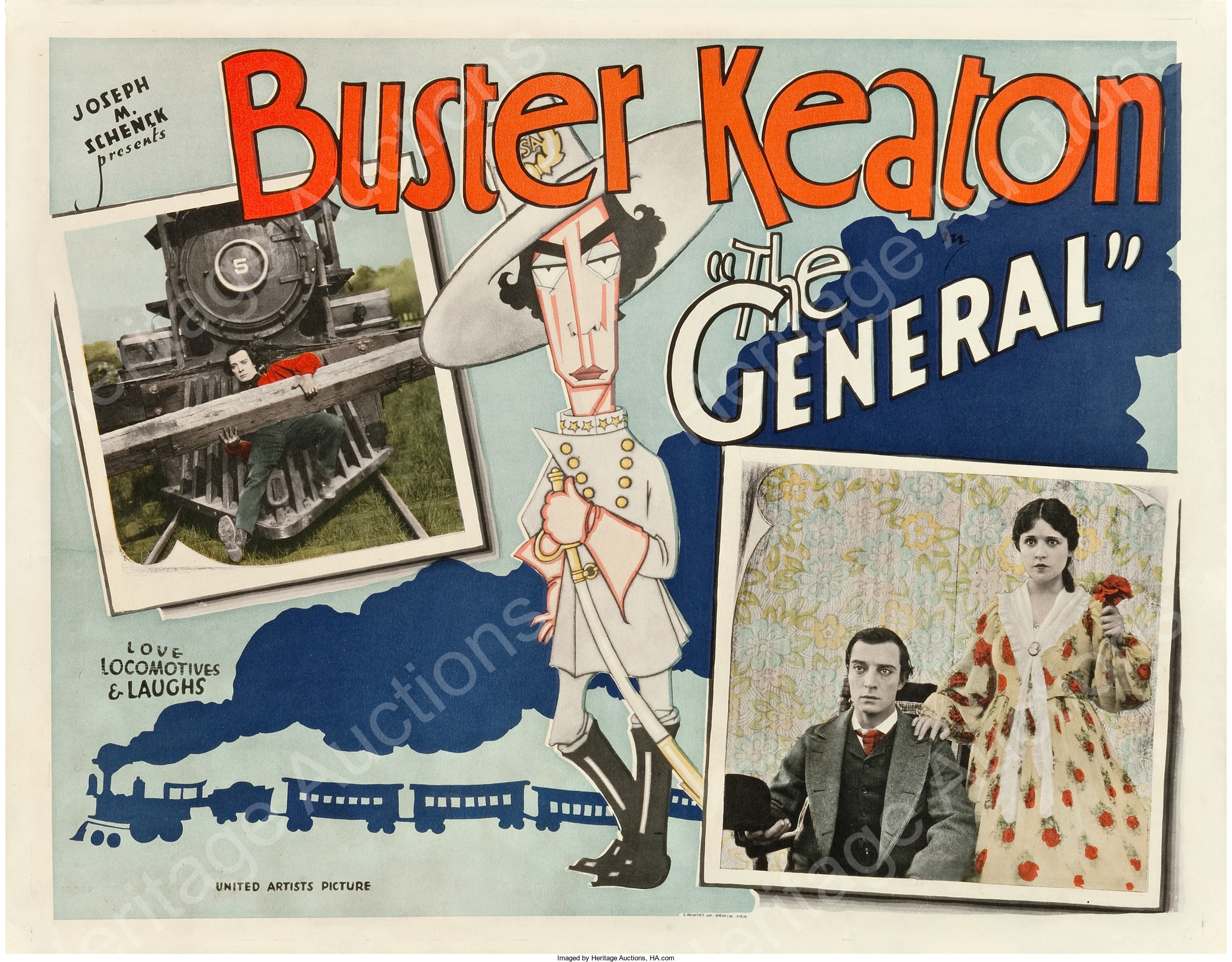
A half sheet movie poster for Buster Keaton’s 1927 film The General sold for $16,730 at a March 2013 Heritage auction.

By Jim O’Neal

On April 12, 1862, “The General,” a small locomotive on the Western & Atlantic Railroad, pulled into Big Shanty, Ga., 25 miles north of Atlanta. The crew and passengers went to have breakfast, but James J. Andrews hung back. He and 22 other Union volunteers had orders to steal a train and burn bridges while General Ormsby Mitchel attacked Huntsville, Ala.

While a dazed sentry looked on, they uncoupled the General and three boxcars and sped north, while the conductor and two others gave chase on foot. Then they borrowed a handcar until it was derailed by a break Andrews men had made in the track. After righting the car, the railroad men then discovered another engine (the Yonah) on a siding and resumed their chase.

Andrews had stopped the General several times to cut telegraph wires and in his haste had failed to disable the Yonah. To try and stay in sync with the railroads regular timetable, he sidetracked the General and let several other trains pass by. He waited a precious 65 minutes before getting the General back in flight, which allowed the railroad men time to close the gap.

Meanwhile, the pursuing Yonah encountered three southbound trains parked on a main line, abandoned their little engine, sprinted to another junction and commandeered the larger William L. Smith engine. However, another broken rail sidelined the Smith, so the men (on foot again) flagged down the Texas. Engineer Peter Bracken quickly backed his cars into the station and resumed the chase, although still in reverse!

Andrews and his speeding raiders cut loose two boxcars and dropped cross ties across the tracks, desperately trying to gain enough time to burn rain-soaked bridges. The Texas simply pushed both boxcars on to a nearby siding and resumed pursuit of the General… at speeds of 65 mph. Up ahead, the little General, unable to stop for wood or water, ran out of steam and came to a complete stop.

The relentless Confederate pursuit, bad weather and just plain bad luck prevented the raiders from doing any lasting damage. James Andrews and seven of his men were captured, tried and hanged. Eight others later escaped from an Atlanta jail. The remaining six raiders were exchanged for prisoners of war and became the first recipients of the U.S. Medal of Honor.

This event was made into a silent movie in 1927 – The General – starring Buster Keaton in “his favorite role.” Initially a box-office failure, film critic Roger Ebert put it in his personal top 10 films of all time and it is routinely listed among the top 100 movies by the AFI and many others.

Intelligent Collector blogger JIM O’NEAL is an avid collector and history buff. He is president and CEO of Frito-Lay International [retired] and earlier served as chair and CEO of PepsiCo Restaurants International [KFC Pizza Hut and Taco Bell].
Labor Secretary Perkins Did Her Part to Make Sure Social Security Endures

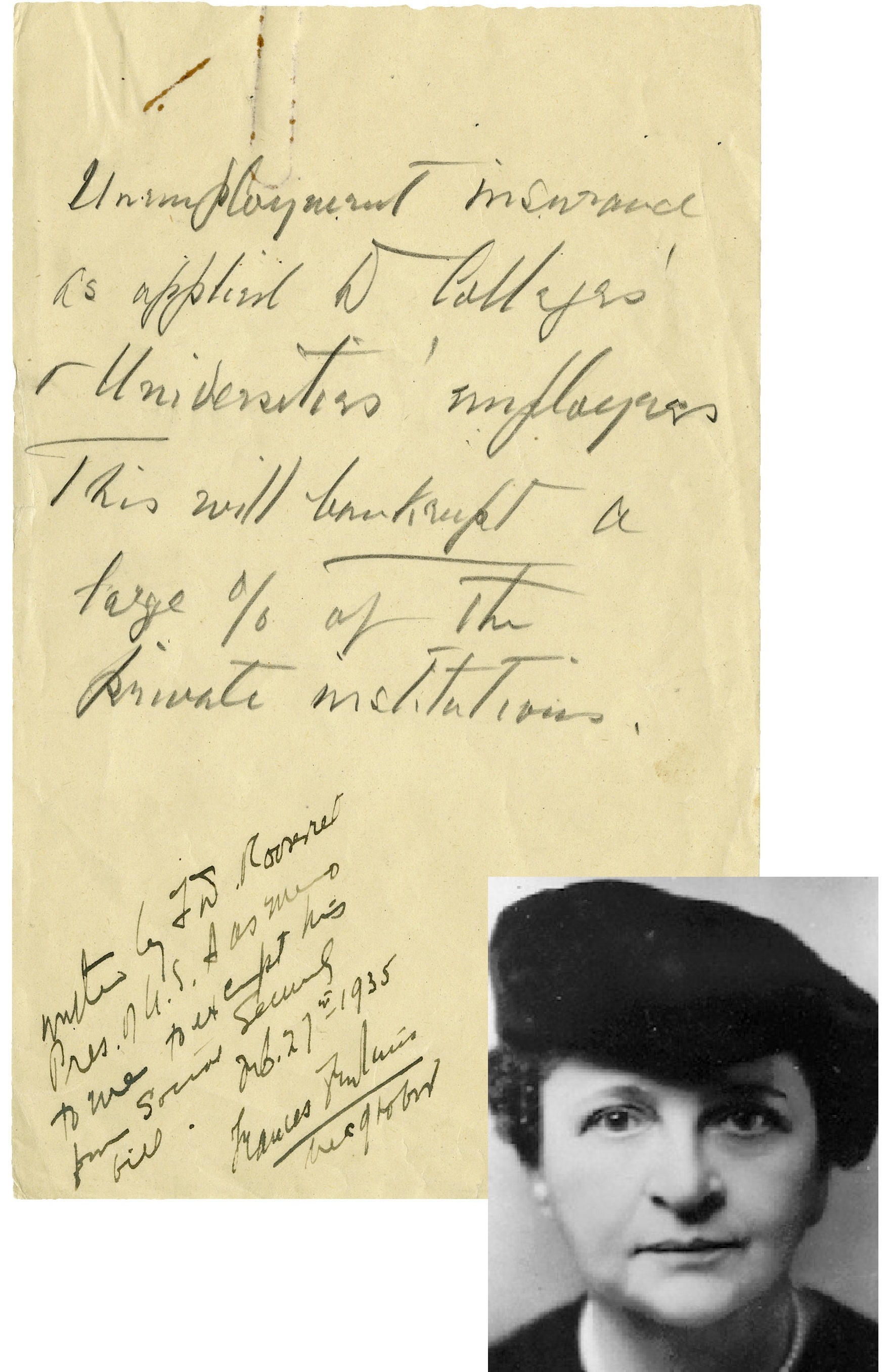
A Feb. 27, 1935, memo by President Roosevelt to Francis Perkins regarding Social Security went to auction in December 2008.

By Jim O’Neal

President Theodore “Teddy” Roosevelt created the U.S. Department of Commerce and Labor on Feb. 14, 1903. It was renamed the Department of Commerce in 1913 and various bureaus and agencies specializing in labor were shifted to a new Department of Labor.

Until 1920, women were prohibited from having Cabinet-level positions since they were not allowed to vote. President Franklin D. Roosevelt broke this barrier in 1933 by appointing Francis Perkins as Secretary of Labor. She was instrumental in aligning labor with the New Deal.

The New Deal was a complex integrated plan to provide present relief, future stability and permanent security in the United States. Much of the president’s thinking about security – which would soon come to be called “social security” – rested on a premise that overcompetition in the labor market depressed wages, spread misery rather than income, curtailed the economy and worked special hardship on the elderly.

Roosevelt was determined to find a way to “dispose of surplus workers,” in particular those over the age of 65. The federal government could provide immediate relief to able-bodied workers as the employer of last resort, while returning welfare functions to the states. Unemployment insurance would relieve damage from economic downturns by sustaining workers’ living standards, and removing older workers (permanently) through government paid old-age pensions would create broad economic stability.

The longer-term features of Roosevelt’s grand design were incorporated into a landmark measure whose legacy endured and reshaped the texture of American life: the Social Security Act. No other New Deal measure proved more lastingly consequential or is more emblematic of the very essence of the New Deal. No one was better prepared to thread the needle of the tortuous legislative process than Secretary of Labor Francis Perkins and FDR personally assigned her the task of chairing a Cabinet committee to prepare the legislation for submission to Congress.

Madame Secretary (as she preferred to be called) brought to her task the commonsense practicality of her New England forebearers; compassion of the special milieu from her time at social-work pioneer Jane Addams’ Hull House; and a dose of political expertise gained as a labor lobbyist and industrial commissioner in New York. Perkins had evolved from a romantic Mount Holyoke College graduate, who tried to sell “true love” stories to pulp magazines, into a mature, deadly serious battler for the underprivileged.

She owed her position to a comrade-in-arms relationship with New York Governor Al Smith and FDR in New York reform battles and also the spreading influence of an organized women’s faction in the Democratic Party. She wisely believed that enlightened middle-class reformers could do more for themselves through tough legislation than union organization; and without the distraction of industrial conflict and social disruption.

Meanwhile, the American labor movement, led by the stubborn Samuel Gompers, relied exclusively on protection of labor’s right to organize. Even after his death, his American Federation of Labor (AFL) spurned legislation and continued to bargain piecemeal, union by union, shop by shop … a strategy that collapsed as the depression deepened.

We know how this ended on Jan. 17, 1935, when President Roosevelt unveiled his Social Security program. Today, 61 million people – or one family in four – receive benefits. However, there is no “lockbox” for Social Security and the flow of taxes and benefit payments are co-mingled with all General Obligations; which includes Medicare, military spending, food stamps and foreign aid. Everything is dependent on the federal government’s ability to levy taxes and borrow money to fund the unsustainable debts backed by “the full faith and credit of the United States.”

Some say that when it comes to global sovereign debt, we live in the best house on Bankrupt Street. However, I am willing to bet that FDR’s cherished Social Security program will never be touched. Francis Perkins did a superb job of getting this concept engrained in a special way and she must still be smiling. She liked her work and served for 12 years and one month – almost a record. James “Tama Jim” Wilson holds that distinction, serving as Secretary of Agricultural from 1897 to 1913, the only Cabinet member to serve under four consecutive presidents, counting the one day he served under Woodrow Wilson.

Intelligent Collector blogger JIM O’NEAL is an avid collector and history buff. He is president and CEO of Frito-Lay International [retired] and earlier served as chair and CEO of PepsiCo Restaurants International [KFC Pizza Hut and Taco Bell].
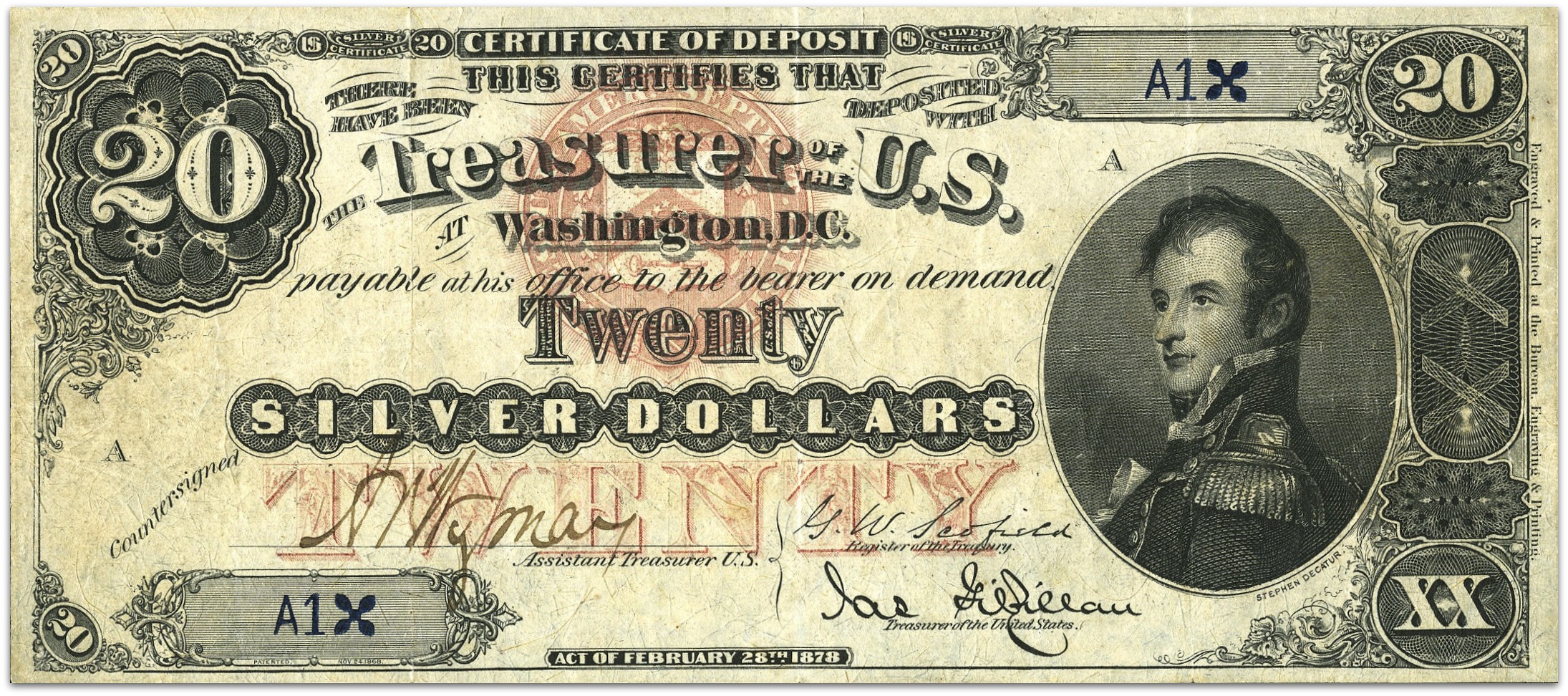
Link Between Value of Money and Gold a Quaint Relic of the Past

This Serial Number 1 Stephen Decatur $20 1878 Silver Certificate, Fr. 306b, is believed to be the first silver certificate ever produced. It sold for $175,375 at a May 2005 Heritage auction.

By Jim O’Neal

In 1961, I was a member of a high-powered bowling team that competed on Tuesday nights at the South Gate Bowling Center in Southern California. We all had 200-plus averages, but only managed to win one league championship in the four years we were together. In February, one of my teammates, Carl Belcher, bowled a perfect game (12 strikes) and received 250 silver dollars from a promotional gimmick the arena used to attract customers. Nobody paid much attention and I personally thought it was an unnecessary inconvenience to lug the sacks to a local bank to get rid of them.

Most of the silver dollars in circulation were probably in Nevada since all the Reno and Las Vegas casino slot machines used them instead of tokens. Even paper currency was printed with the promise to “pay to the bearer on demand … one silver dollar,” which evolved into “one dollar in silver.” For a while, it was possible to get a small plastic bag of silver equivalent to the denomination of the paper currency.

Silver certificates were authorized by two Acts of Congress. The first on Feb. 28, 1878, followed by another on Aug. 9, 1886. These notes are particularly attractive, quite rare and sometimes expensive. At one time, I owned an especially distinguished $20 bill with the head of Captain Stephen Decatur, naval hero of the War of 1812. It was serial number 1 and experts believe that since the Treasury generally printed the $20s first, this note was probably the first silver certificate ever printed. Heritage Auctions auctioned it in 2005 for $175,000 when I sold my currency collection.

However, after Executive Order 6102 of 1933, there were no more gold coins or silver dollars minted in the United States and paper notes were used for denominations above 50 cents. Up to 1964, dimes, quarters and half dollars were minted in 90 percent silver, and half dollars contained 40 percent silver from 1965-70. Even the lowly penny had most of its copper content removed and is now made primarily of zinc, with a thin copper plating.

For 4,000 years, the only period in which civilization has not based its currency on metal, especially gold and silver, is the past 46 years. On Aug. 15, 1971 (“A date that has lived in infamy”), President Richard Nixon announced the temporary suspension of dollars into gold. The White House tapes from the previous week reveal that he thought gold prices would explode after being de-linked since the Federal Reserve would print money like crazy once the currency was not collateralized and this overprinting would affect jobs (unemployment had just gone from 4 percent to 6 percent). And Nixon was “not about to be a hero” (his words) on inflation at the expense of employment.

Then the administration imposed a rigorous regime of wage and price controls, enforced by IRS audits and leverage over federal contracts. The plan failed spectacularly and the 1970s were rife with double-digit inflation, energy shortages and ultimately the “stagflation” that torpedoed both the Ford and Carter presidencies.

Flash forward to today as we are still trying to use monetary policy to solve economic issues and unwilling to even touch the critical fiscal issues that are fundamental to the future economic challenges everyone acknowledges. The only thing that has changed is that there is no need to actually print money when it can be “whistled into existence” via monetary legerdemain called quantitative easing, where the Federal Reserve loans money to the Treasury Department.

Since the financial crisis of 2008, the world’s central bankers have materialized $12.25 trillion by tapping on a computer keyboard. For perspective, the value of all the gold that’s ever been mined, according to the World Gold Council, is a mere $7.4 trillion. The historical linkage between the value of our money and its metal content is a quaint relic of the past.

Intelligent Collector blogger JIM O’NEAL is an avid collector and history buff. He is president and CEO of Frito-Lay International [retired] and earlier served as chair and CEO of PepsiCo Restaurants International [KFC Pizza Hut and Taco Bell].
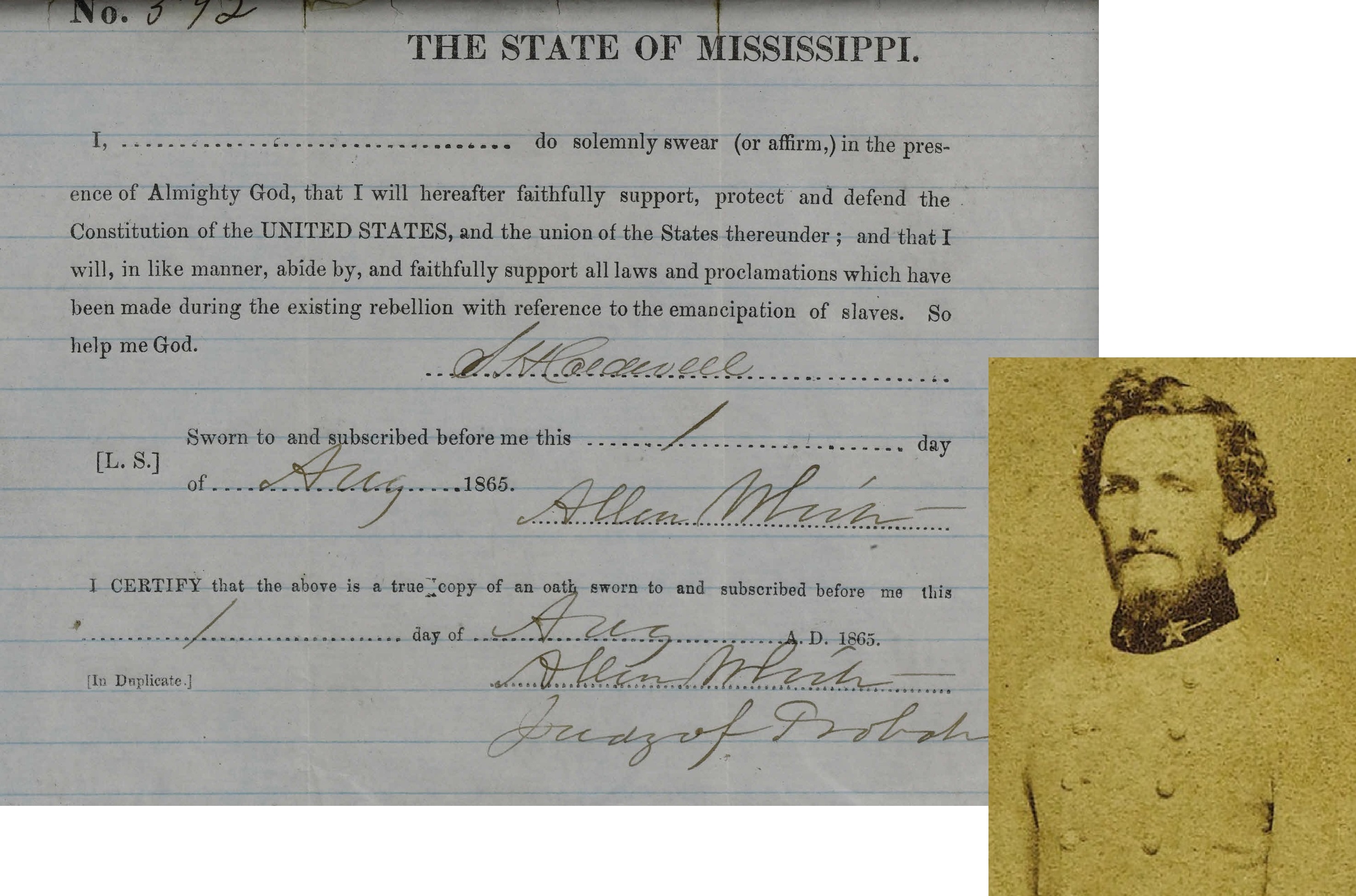
Oaths of Loyalty to the U.S. were Common at Time of Civil War

An oath of allegiance to the United States signed by Confederate surgeon Samuel Houston Caldwell at the close of the Civil War went to auction in June 2007.

By Jim O’Neal

One of the primary problems facing the federal government when the Civil War began was ensuring that its employees and military were loyal. Over 300 U.S. officers resigned to join the Confederacy, as did numerous clerks and officials. Fearful of disloyalty among those who remained, President Lincoln on April 30, 1861, ordered all military personnel to retake an oath of allegiance.

Even though these regulations were rigidly enforced, fears of disloyalty remained and numerous ad hoc oaths of allegiance were used as a means of testing and ensuring loyalty. By the summer of 1862, most of the oaths – civil and military – were combined under one oath, the Ironclad Test Oath of Loyalty.

The Ironclad Oath was named because it required an oath-taker to swear, “I have never voluntarily borne arms against the United States.” In addition, the person had to forsake any allegiance to state authority and swear “to support and defend the Constitution of the United States against all enemies foreign and domestic … [and] bear true faith and allegiance to the same.”

An oath of allegiance rapidly became a test of loyalty for common citizens. Maj. Gen. Benjamin Butler as military governor of New Orleans required that after Oct. 12, 1861, anyone who wanted to do business in the city or with the U.S. government had to take an oath of allegiance to the United States. As stated by Butler, “It enables the recipient to say, I am an American citizen, the highest title known.”

Butler’s practice became commonplace as the war progressed, and the Ironclad Oath, or a variant, was required of thousands of federals and Southerners. People who wanted to do business with the government, Confederate prisoners of war who wanted parole, Southerners who wanted to be reimbursed for goods taken by foraging federal troops, and Union sympathizers in the South who wanted to govern themselves – all took the oath. Some took it numerous times; the record may have been set by politician Robert J. Breckinridge, who took the oath nine times between June and December 1865.

After the war, the oath presented an immediate problem for both the South and North. Since its provisions remained in effect, no former Confederate soldier or Southern citizen who had assisted in the South’s war effort could hold federal, state or local office, or serve in the military. To evade the “ironclad” portion of the oath concerning bearing arms against the United States, former Confederates had to petition the president of the United States for a pardon.

In 1884, Congress removed all the iron from the Ironclad Oath when it passed into law a new Oath of Allegiance. The 1884 oath removed all the restrictive portions of the older oaths and left it in its current form – an oath to support and defend the Constitution.

Intelligent Collector blogger JIM O’NEAL is an avid collector and history buff. He is president and CEO of Frito-Lay International [retired] and earlier served as chair and CEO of PepsiCo Restaurants International [KFC Pizza Hut and Taco Bell].
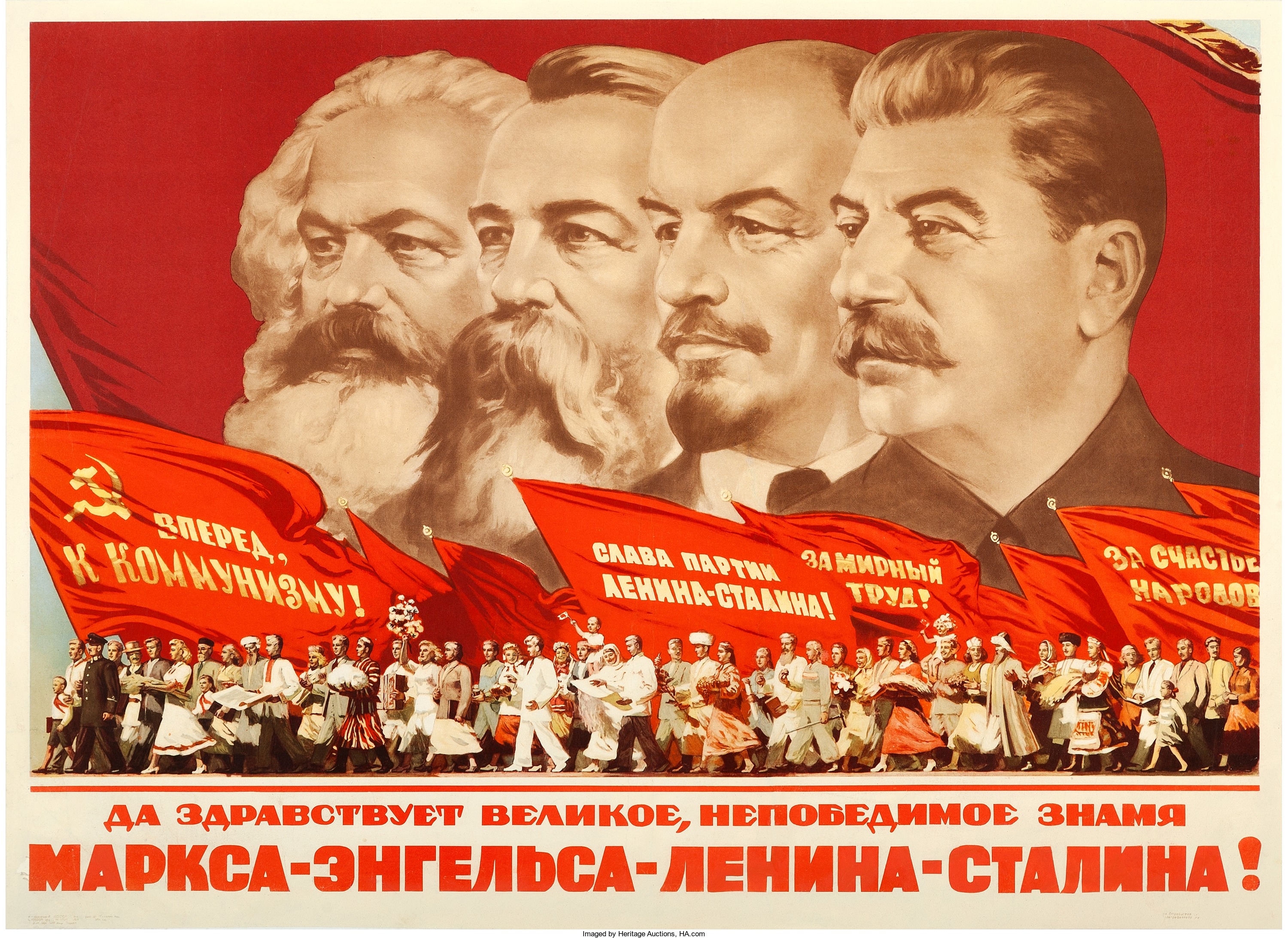
After Napoleon and Nazi Germany, Russia Lives with Paranoia of Conflict

A 1953 Russian propaganda poster showing Karl Marx, Friedrich Engels, Vladimir Lenin and Joseph Stalin sold for $2,629 at a July 2016 Heritage auction.

By Jim O’Neal

Joseph Stalin died on March 5, 1953, after ruling the Soviet Union for 25 years and leading the country in its transformation into a major world power. Born Iosif Dzhugashvili in 1878, while in his 30s he took the name “Stalin” meaning “Man of Steel.” After studying at a theological seminary, he read the works of revolutionary socialist Karl Marx, which inspired him to join the 1917 Bolshevik Revolution.

He was a protégé of Vladimir Lenin and after Lenin’s death, Stalin earned a reputation as one of the most ruthless and brutal dictators in world history (“Ideas are more powerful than guns,” he once said. “We don’t let our people have guns. Why should we let them have ideas?”).

After an extended Cold War with the West, the Soviet Union started to unravel when its eighth and final leader, Mikhail Gorbachev, assumed control in 1988. He seemed eager to “destroy the apparat” – weaken the Stalinist structure of the Communist Party and the Soviet state. Only then could he take the bold economic steps to revamp a bankrupt system that was crumbling fast.

The West hailed Gorbachev as the tsar liberator, a political magician, or as Time magazine editorialized in January 1990: “The Copernicus, Darwin and Freud of communism all wrapped into one.” A year earlier, he was Time’s “Man of the Decade.” But in early 1990, Lithuania demanded outright independence and a crowd of 200,000 in the capital of Vilnius demonstrated to get the entire Lithuanian territory returned. This was quickly followed by an Azerbaijani Popular Front rally that escalated into a civil war along the Armenian-Azerbaijani border, with both sides clamoring for independence.

In August 1991, Latvia and Estonia declared restoration of full independence, followed by the Ukraine on Dec. 1. On Dec. 25, Christmas Day, Gorbachev resigned and the following day the Supreme Soviet voted itself and the Soviet Union out of existence.

I first met current Russian President Vladimir Putin in Saint Petersburg in 1992 when he was head of the Committee for External Relations, a group in the mayor’s office responsible for promoting international relations and foreign investment. We started shipping Lays potato chips from Warsaw and soon built a Frito-Lay plant near Moscow. I totally underestimated him and thought he was just another thug, a feeling that was reinforced when we started Pizza Hut in Moscow.

According to Henry Kissinger, Putin has always blamed Gorbachev for the dissolution of the Soviet Union due to his policies of glasnost (openness) and perestroika (reform). “The greatest geopolitical tragedy of the 20th century.” It has always been a mystery to me why they gave up so much when the United States and others were willing to negotiate a softer landing. I haven’t read Putin’s autobiography, but I suspect the Russians will never be satisfied until there is an east-west buffer zone along the Ukrainian border.

After Napoleon and then Nazi Germany, there is an inherent paranoia that will only be exacerbated if Poland ever joins NATO. As philosopher George Santayana so wisely observed, “Those who cannot remember the past are condemned to repeat it.”

Intelligent Collector blogger JIM O’NEAL is an avid collector and history buff. He is president and CEO of Frito-Lay International [retired] and earlier served as chair and CEO of PepsiCo Restaurants International [KFC Pizza Hut and Taco Bell].
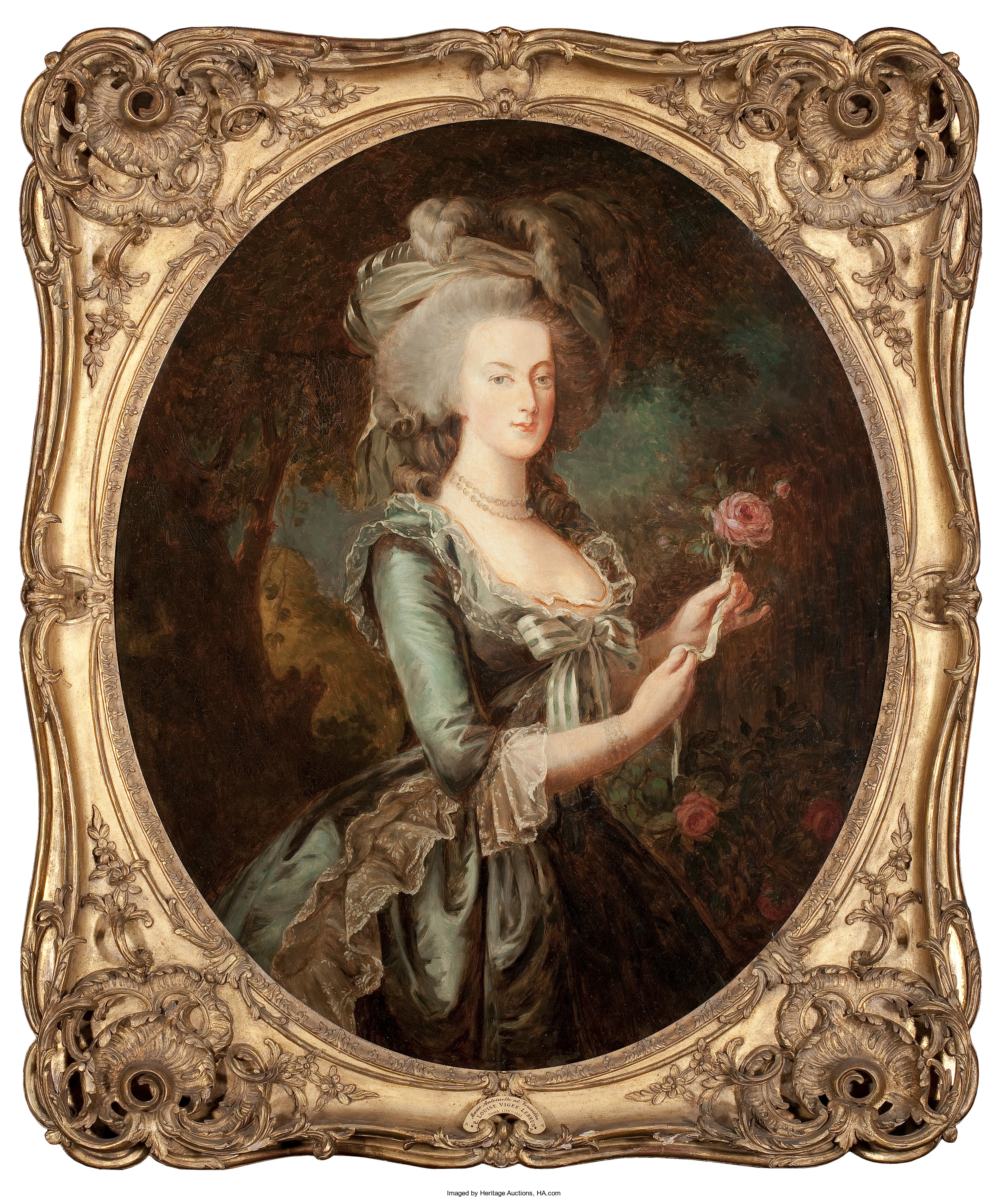
Marie Antoinette Swept Away by Conditions that Rocked European Landscape

An oil on canvas of Marie Antoinette, after Elisabeth Louise Vigée-Lebrun (1755-1842), realized $10,755 at a November 2010 auction.

By Jim O’Neal

It is hard to ignore the significance of July 14, despite my previous recap of the key events that took place in Paris over 200 years ago when revolutionaries and mutinous troops stormed the Bastille, the royal fortress and prison (with only seven inmates) that symbolized the tyranny of monarchy. It was an event that degenerated into a chaotic bloodbath, but shaped modern nations by exhibiting the power inherent in the will of the common man.

However, I felt a tinge of sympathy for President Donald Trump when I saw pictures of him at dinner last week at the Eiffel Tower (at the Jules Verne restaurant). There is nothing quite so boring as a three-plus-hour dinner at a Michelin-starred French restaurant. I also presume that with President Emmanuel Macron playing host, the kitchen really exaggerated the occasion since he appears to share the classic pomp and monarchical tendencies that got his predecessors in trouble.

This especially includes the last Queen of France, Marie Antoinette, the 14-year-old Austrian princess who had the misfortune of wedding the last King of France, Louis XVI, since they both got their heads chopped off. Their marriage was intended to seal the alliance between longtime enemies Austria and France, following the end of the Seven Years’ War.

Marie Antoinette was born in 1755 in Vienna, Austria, the daughter of the Holy Roman Emperor Francis I and Maria Theresa, the powerful Habsburg Empress. The teen bride-to-be had been delivered to the French on May 7, 1770, and then escorted to the Palace of Versailles, where she met her husband-to-be, Dauphin Louis-Auguste, a 15-year-old boy with a medical condition that rendered him impotent for several years. Eventually, the couple had four children.

The king lost his head on Jan. 21, 1793. Nine months later, a Revolutionary Tribunal found the queen guilty of treason, sexual promiscuity and a phony charge of having incestuous relations with her son Louis-Charles. The trial lasted two days and the tribunal unanimously condemned her to death. On Oct. 16, 1793, the executioner entered her cell wearing a red hood; he sheared off her hair to ensure a quick, clean cut of the guillotine blade.

He then lopped off her head as a boisterous crowd watched and cheered “Vive la nation!”

The 37-year-old queen has long been wrongly charged of responding “Let them eat cake” when told of starving peasants with no bread to eat. Some credit the phrase to philosopher Jean-Jacque Rousseau. I doubt she resents this final insult, but it does represent the conditions that fueled the revolution that rocked the European landscape in general.

Intelligent Collector blogger JIM O’NEAL is an avid collector and history buff. He is president and CEO of Frito-Lay International [retired] and earlier served as chair and CEO of PepsiCo Restaurants International [KFC Pizza Hut and Taco Bell].