Insidious Practice of Slavery Violated Every Principle that Men of Goodwill Supported

thomas-hart-benton-slave-master-with-slaves-study-for-the-american-historical-epic
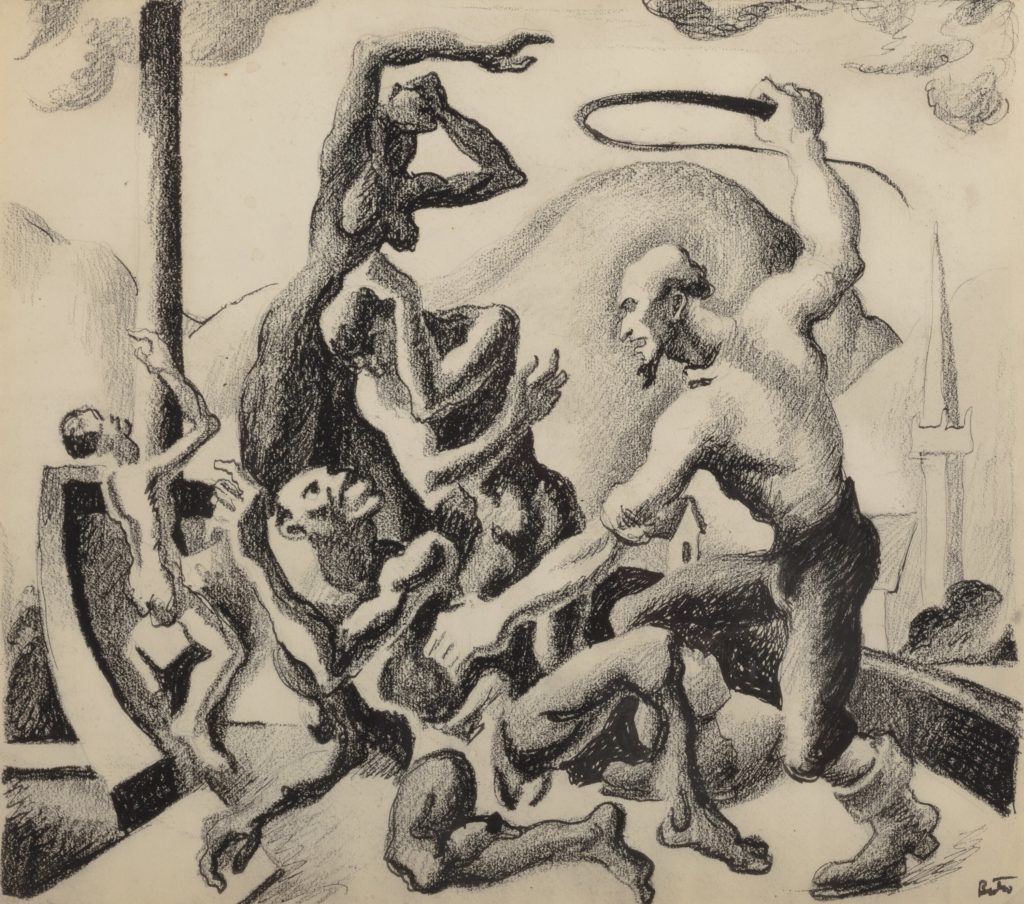
This crayon with pencil and ink on paper by American painter Thomas Hart Benton (1889-1975), titled Slave Master with Slaves (Study for The American Historical Epic), circa 1926, realized $35,000 at a December 2013 Heritage auction.

By Jim O’Neal

Slavery was the great exception to the rule of liberty proclaimed in the Declaration of Independence and established in the U.S. Constitution. The first African slaves (about 40 in all) were brought to the North American colony of Jamestown, Va., in 1619 to aid in the production of lucrative crops like tobacco.

By the time of America’s founding, the number had grown to 500,000, mostly in the five southernmost states. Slavery was never widespread in the North, but many profited indirectly by the practice. Between 1774 and 1804, all of the northern states had abolished slavery, but the “peculiar institution” remained absolutely vital to the South.

Even as the U.S. Congress outlawed the African slave trade in 1808, domestic trade flourished, and the slave population more than tripled over the next 50 years. By 1860, it was up to 4 million, primarily in cotton-production areas of the South.

One naive hope had been that slavery would slowly die as a simple matter of business economics. In 1776, Adam Smith (The Wealth of Nations) argued that the plantation system was uneconomic since slave labor cost more to maintain than laborers paid a competitive wage. But, in 1793, Eli Whitney invented the cotton gin, making slave-based production lower in cost. The insatiable demand for cotton from Europe was irresistible to the southern agrarian-based economy.

Overlooked in all of this was a brilliant insight by Smith. He noted that slavery ended in the Middle Ages in Europe only after the state and church became separate and strongly independent. His insight was that it is nearly impossible to end slavery in free, democratic forms of government, primarily because many of the legislators would also be slave owners and unlikely to act in ways that were not in their best interest.

Similar arguments later appear in the works of French philosopher Auguste Comte, known for his ideas regarding the “separation of the spiritual and the temporal.”

That was exactly the situation in the United States since many of the founders – most notably George Washington, Thomas Jefferson and James Madison – owned slaves and the South had always been dominated by self-interest. The obvious implication is that war was not only probable, but inevitable and unavoidable.

So the inexorable forces of profit versus human rights continued to accelerate, with only pauses, as the deeply conflicted country tried to find compromises (e.g. 1820) that simply delayed the inevitability of war. Kick-the-can strategies never achieve anything except temporary lulls.

Quite predictably, ours required a bloody civil war to (finally) reconcile the Constitution and an insidious practice of slavery that violated every principle that men of goodwill supported.

Both Smith and Comte tried to warn us, but their theories did not include any useful solutions, except perhaps to implement a kingdom … the very thing we were fleeing.

Even after 620,000 lives were lost in the Civil War, a number that exceeds all our other conflicts combined … and with the passage of 150 years … we are still struggling with race and inequality as our legislators try to find compromises.
Jim O'NielIntelligent Collector blogger JIM O’NEAL is an avid collector and history buff. He is President and CEO of Frito-Lay International [retired] and earlier served as Chairman and CEO of PepsiCo Restaurants International [KFC Pizza Hut and Taco Bell].
Europe Once Trembled in Fear of Marauding, Pillaging Viking Warriors

hal-foster-prince-valiant-sunday-comic-strip-featuring-boltar-original-art-dated-8-23-42-king-features-syndicate
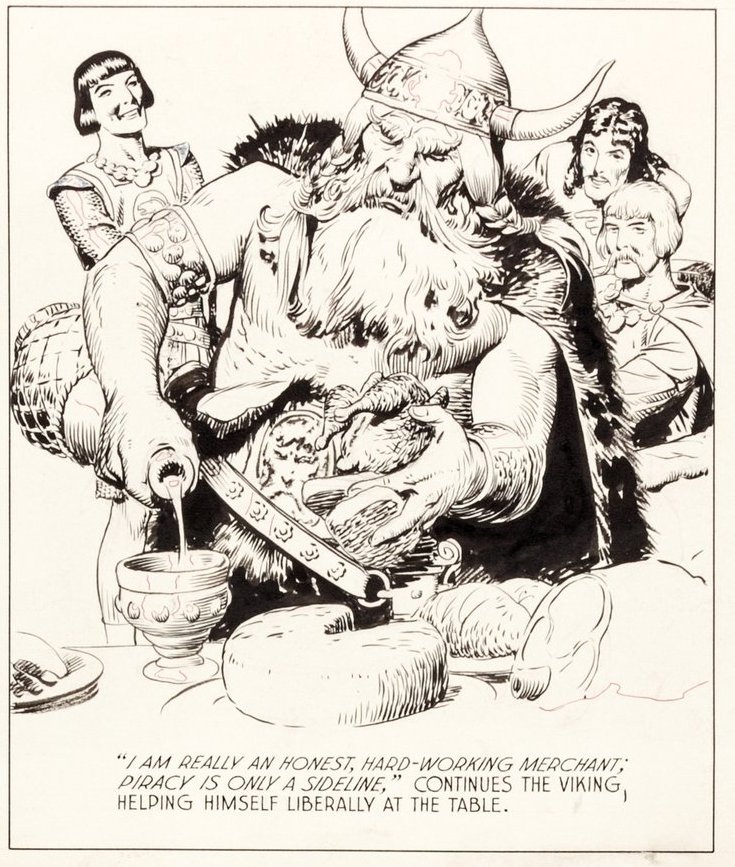
Hal Foster’s Prince Valiant comic strip included characters such as Boltar the Viking, as seen in this panel from an Aug. 23, 1942, strip. The original art for this Sunday comic sold for $17,925 at a May 2013 Heritage auction.

By Jim O’Neal

On a calm day in June 793, a group of men landed on the Holy Island of Lindisfarne in northern England and mounted a ferocious attack on the monastery. The invaders murdered some of the monks, dragged others into slavery and plundered the church’s treasure.

This surprise assault is the first recorded raid by Vikings – pagan, seafaring warriors from Denmark, Norway and Sweden – and it sent waves of horror and fear across Christian Europe. Vikings would go on to ravage and loot large parts of the continent, however, they were also traders and colonists with a sophisticated artistic culture.

Within six years of the attack on Lindisfarne, bands of Vikings – or “Danes,” as they were known in Anglo-Saxon England – were targeting the wealth of other Christian sites in England, Scotland, Ireland and France. They had a significant advantage on these missions: the Viking longship. This was a slender vessel with a shallow bottom that enabled them to sail far up the waterways and surprise their prey.

Each ship could carry 80 warriors, recruited by warlords whose authority flowed from their prowess and reputation for capturing booty for their followers. They were the most skilled shipbuilders, sailors and navigators in the Western world.

Around 800, they colonized the Faroe Islands and used them as a stepping stone to explore the entire North Atlantic region. Eventually, they reached Iceland, where settlers founded a colony that became politically independent. They exiled Eric the Red and he stumbled upon Greenland and established yet another new colony.

A Norse saga describes how Eric the Red’s son, Leif Erikson, was driven off course and landed in a region, teeming with hardwood forests and wild grapes, that he named Vinland (Land of Wine). However, subsequent expeditions were thwarted by indigenous people in an area now identified as Newfoundland in eastern Canada. Leif and his crew get credit for being the first Europeans to set foot on North American soil.

By the 11th century, the Scandinavian kingdoms had adopted Christianity and turned from raiding and pillaging to organized settlement. Cnut the Great of Denmark created a North Sea Empire that included Denmark, Norway and England, but it did not survive his death. In 1066, an unsuccessful attempt to claim the English throne by the Norwegian King Harald Hardrada was the final flourish of the Viking Age.

From the narrow view of history, it is fascinating to contrast the “marauding, pillaging, warrior tribes of Viking raiders” to the serene, peaceful land of Scandinavia, with its breathtaking fjords and unique form of European socialism that the people seem to thrive on. Our world has rarely seen such a silent transition and it makes one wonder which direction we are headed.

Today, we certainly see remnants of Viking culture all around, with comics (Hagar the Horrible), the superhero Thor (thanks to Stan Lee and Marvel Comics), the 1958 Kirk Douglas movie “The Vikings,” and, of course, the unforgettable Purple People Eaters of the Minnesota Vikings, who’ve played in four Super Bowls.

Jim O'NielIntelligent Collector blogger JIM O’NEAL is an avid collector and history buff. He is President and CEO of Frito-Lay International [retired] and earlier served as Chairman and CEO of PepsiCo Restaurants International [KFC Pizza Hut and Taco Bell].
Principles Articulated by Founders Transcend Time and Technology

the-federalist
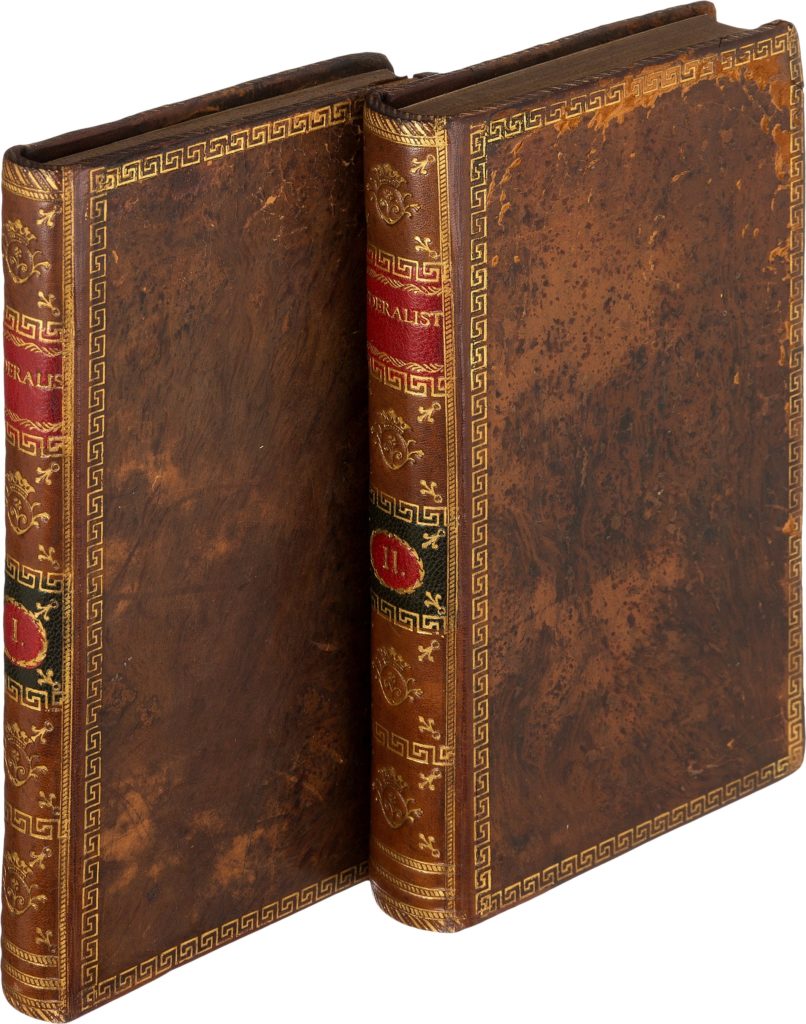
An edition of The Federalist: A Collection of Essays, Written in Favour of the New Constitution, as Agreed upon by the Federal Convention, September 17, 1787, in two volumes, by James Madison, Alexander Hamilton and John Jay, sold for $175,000 at a September 2016 Heritage auction.

By Jim O’Neal

In 1776, while Thomas Jefferson was putting the finishing touches on the Declaration of Independence, a committee headed by John Dickerson began meeting to draft the Articles of Confederation, a document designed to specify how this new government would work. Due to lots of internal debates (and the Revolutionary War), the Articles were not ratified until 1781, two years before the war ended.

Then a formal constitutional convention met in Independence Hall in May 1787. They abandoned the Articles and wrote a new document, “The Constitution of the United States of America.” Fifty-five delegates attended, but Vermont was not part of the Union and Rhode Island was absent since it was anti-federal, anti-union and didn’t bother to send a delegation to Philadelphia. Ten amendments were then ratified on Dec. 15, 1791, and we call them the Bill of Rights.

James Madison, “The Father of the Constitution,” played a crucial role at each stage in the entire process … calling the convention, framing the Constitution and carefully deciding how the Bill of Rights would work in a practical sense. To an extraordinary degree, we rely on Madison for our basic insight into the original theories and the ambitions of the Constitution, per se.

Madison had come to the convention totally prepared to control the agenda in a very characteristic way – carefully and deeply. He had studied the fundamental problems of the Articles, the state constitutions and the lessons of history, including his personal experience in the Continental Congress and in Virginia.

The Declaration of Independence and the Constitution combine to address mankind’s most basic political questions and the principles of organization for a government. Thus, they were meant to serve not simply the 18th century, but succeeding generations, whatever their circumstances or the state of their social progress. Because the principles the Founders articulated transcend both time and technology, they will serve us well through the 21st century, but only if we understand them correctly and apply them consistently.

Government officials must respect their oaths to uphold the Constitution and we the people must be vigilant in seeing that they do. The Constitution will live only if it is alive in the hearts and minds of the American people. That perhaps is the most enduring lesson of our experiment in ordered liberty.

It doesn’t seem like too much to expect.

Jim O'NielIntelligent Collector blogger JIM O’NEAL is an avid collector and history buff. He is President and CEO of Frito-Lay International [retired] and earlier served as Chairman and CEO of PepsiCo Restaurants International [KFC Pizza Hut and Taco Bell].
The Highs, the Lows, the Record-Breakers of Professional Sports

signed-1940-play-ball-grover-cleveland-alexander-119
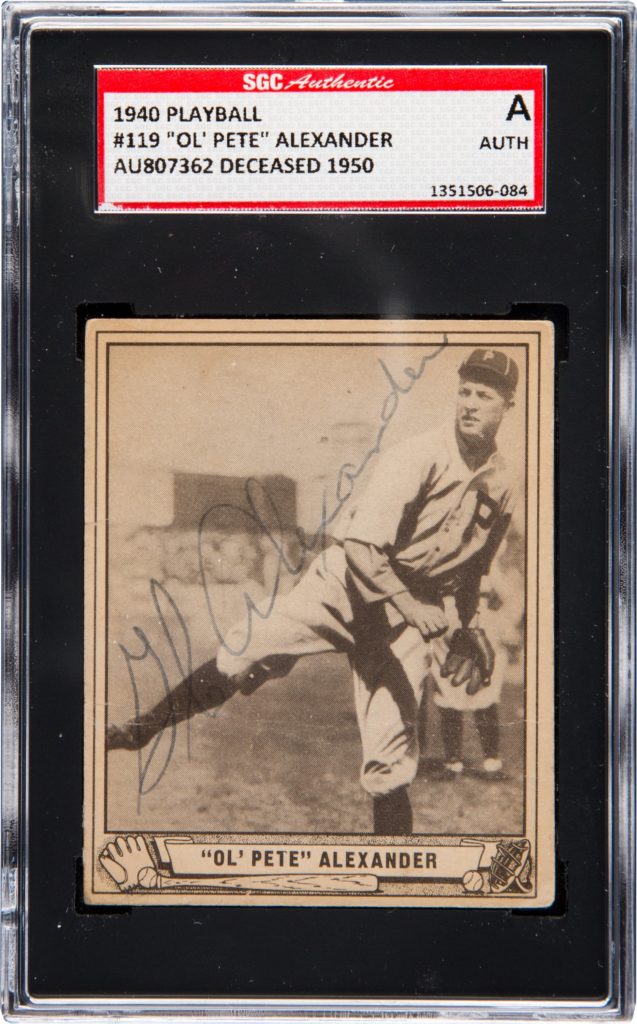
This signed 1940 Playball Grover Cleveland Alexander #119 SGC Authentic will be auctioned by Heritage Auctions on Nov. 17.

By Jim O’Neal

In 1949, police in Hollywood, Calif., discovered what appeared to be just another drunk unconscious in an alley. Upon further investigation, it turned out to be Hall of Fame pitcher Grover Cleveland Alexander (nicknamed “Ol’ Pete” for reasons unknown).

Despite a lifelong battle with epilepsy and alcoholism, he managed to win 373 games. (Ronald Reagan portrayed him in the 1952 film The Winning Team with Doris Day. The movie was widely panned.)

Alexander still holds the National League record of 90 shutouts, but he couldn’t shut out the booze and died the next year at age 63, penniless and homeless.

1979-80-larry-bird-game-worn-boston-celtics-rookie-uniform
Larry Bird’s game-worn 1979-80 Boston Celtics rookie uniform sold for $22,705 in July 2014.

Larry Joe Bird was a member of the 1992 U.S. men’s Olympic basketball team (The Dream Team) that won gold in Barcelona.

Bird was voted to the NBA’s 50th Anniversary All-Time Team in 1996 and inducted into the Naismith Memorial Basketball Hall of Fame in 1998.

Not bad for a kid from French Lick, Ind., who was drafted into the NBA sixth overall by the Boston Celtics, where he was a 12-time NBA All Star.

He is the only player in NBA history to be named MVP, Rookie of the Year, Coach of the Year, and Executive of the Year (he ran out of categories, apparently).

The first post-1900, modern-day pitcher to strike out 18 batters in a single game was Bob Feller.

Tom Cheney holds the all-time record of 21 strikeouts (1962), but it was a 16-inning game.

Perhaps more impressive are the 20 strikeouts in nine innings by Kerry Wood (1998) and Randy Johnson in 2001, something that Roger Clemens did twice … in 1986 and again in 1996.

Jim O'NielIntelligent Collector blogger JIM O’NEAL is an avid collector and history buff. He is President and CEO of Frito-Lay International [retired] and earlier served as Chairman and CEO of PepsiCo Restaurants International [KFC Pizza Hut and Taco Bell].
 

Lincoln’s Assassination Shows How Nation Has Survived Perilous Times

john-wilkes-booth-cabinet-card
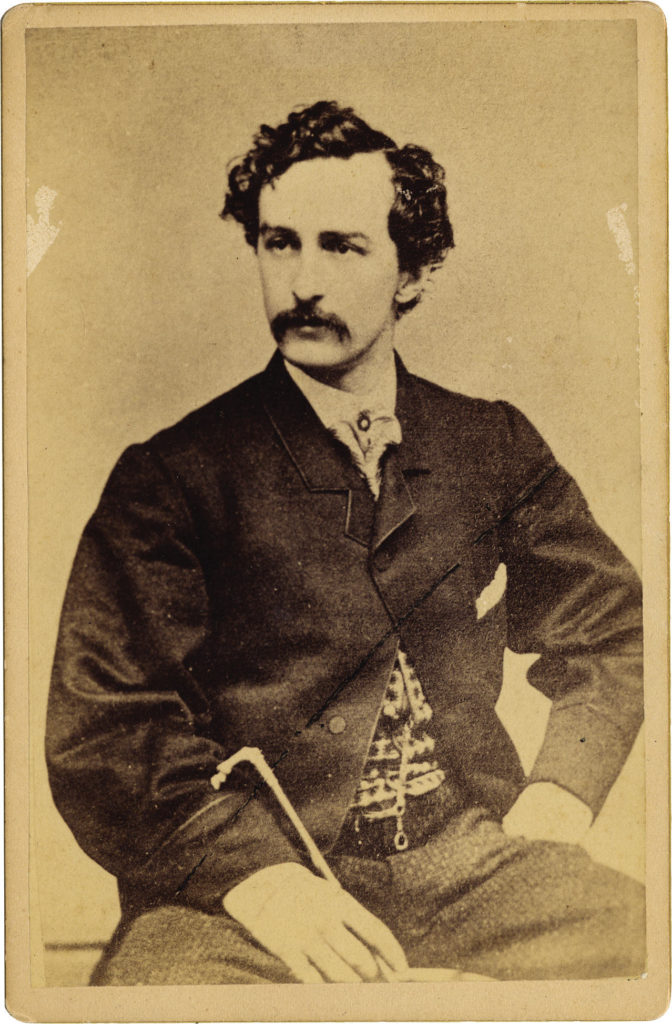
An 1863 John Wilkes Booth cabinet card sold for $1,912 at a December 2007 auction.

By Jim O’Neal

John Wilkes Booth assassinated Abraham Lincoln on Good Friday, April 14, 1865, at Ford’s Theatre while the Lincolns were enjoying the play “Our American Cousin.” A Confederate sympathizer, Booth was the younger brother of famed Shakespearian actor Edwin Booth and had become a popular actor himself. A meticulous planner, he had attended a rehearsal the day before and devised his escape plan.

There is a fascinating backstory to this tragedy that started on April 3 when news of the surrender of Richmond was received at the War Department. The telegraph operator had jumped to his feet, opened a window and shouted out “Richmond has fallen!” This extraordinary good news spread quickly and almost by magic the streets were filled with noisy, jubilant people. Among the talking, laughing and shouting, the local newspaper reported that “many wept like children.”

People were convinced that this long nightmare was nearly over. Generally, they were right, except for a series of dramatic events that could have altered the future in any number of possible ways.

It started the following day when Secretary of State William Henry Seward was critically injured in a carriage accident. He was with his son Fred, daughter Fanny and her friend Mary Titus. When the driver stopped to close a carriage door, the horses bolted and Seward jumped out to stop the runaway horses, caught his heel and landed violently on the pavement. After regaining consciousness, he was carried to his home severely injured.

Then on April 11, two days after Robert E. Lee’s surrender to Ulysses S. Grant, several thousand people gathered at the White House to hear Lincoln give a speech about returning the Southern states, extending suffrage to blacks and the benefits of school to all children. JWB was in the crowd and furiously declared, “Now, by God, I’ll put him through. That is the last speech he will ever give.”

Earlier, Booth had planned to kidnap Lincoln, but now he was determined to kill him, along with Vice President Andrew Johnson and Seward in a choreographed decapitation of the Union government. The triple assassination was set for 10:15 p.m. on Good Friday. His accomplice, George Atzerodt, was assigned to kill the VP and Lewis Powell was to kill Seward in his bed while he was recovering.

Only JWB was successful. Atzerodt lost his nerve, got drunk and left the Kirkwood hotel where the VP was in suite 68. Powell went on a rampage in Seward’s house, stabbing him three times in the throat and neck. A metal brace on his neck miraculously saved his life.

The world would now know the power of a single gunshot, yet for America this was a first. Never had a president been assassinated or even died during a war. As sorrow gradually spread throughout the nation, there remained one more haunting question: Would it all come undone and devolve into an endless conflict?

We know the answer now, but it was a perilous time for our troubled nation.

Jim O'NielIntelligent Collector blogger JIM O’NEAL is an avid collector and history buff. He is President and CEO of Frito-Lay International [retired] and earlier served as Chairman and CEO of PepsiCo Restaurants International [KFC Pizza Hut and Taco Bell].
Eisenhower Crucial to ‘Greatest Engineering Project in World History’

eisenhower-inaugural-photograph-signed-by-four-presidents
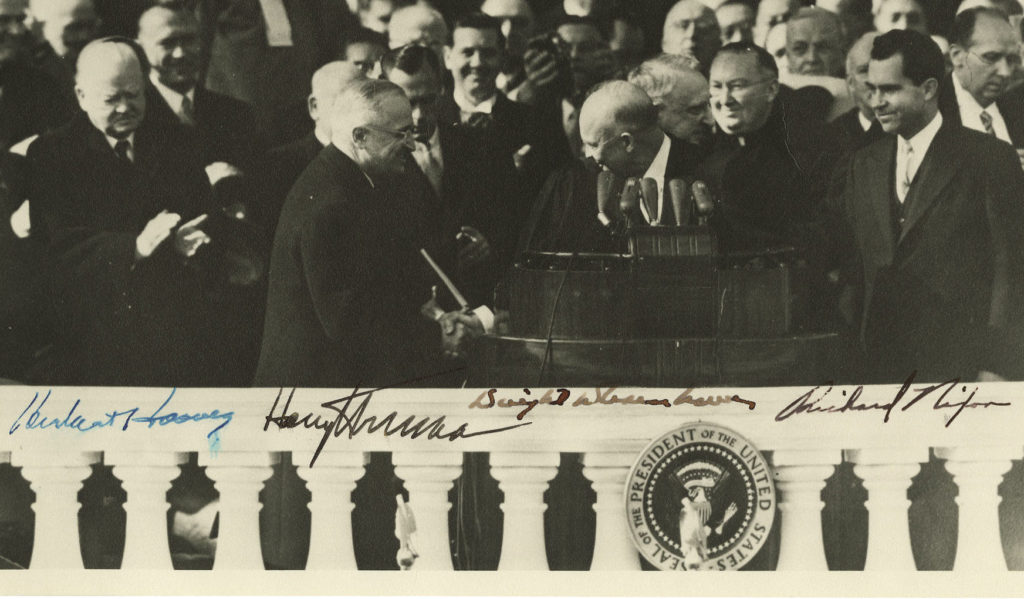
A photograph of President Dwight D. Eisenhower’s inauguration on Jan. 20, 1953 – autographed by Eisenhower, Richard Nixon, Harry Truman and Herbert Hoover – realized $8,365 at an October 2006 Heritage auction.

By Jim O’Neal

As federal war-game planners considered their objectives in mobilizing a West Coast battle response, railroads were quickly ruled out because they could not carry the amount of equipment involved and some of the weapons, especially tanks, were too heavy for trains and tracks.

Since the Army already had plenty of wheeled and tracked vehicles, dispatching a test expedition by road and having a Motor Transport Corps drive the convoy could prove, once and for all, the superiority of wheels over hoofs or railways. Inexplicably, they failed to include any assumptions about the condition of the roads en route.

At the appointed time in 1919, the convoy gathered at a monument by the South Lawn of the White House. The column was three miles long and consisted of 79 vehicles, including 34 heavy trucks, oil and water pumpers, a mobile blacksmith shop, a tractor, staff observation cars, searchlight carriers, a mobile hospital and other wheeled necessities to support the actual war machines.

Nine vehicles were wrecked en route and 21 men injured – leaving 237 soldiers, 24 officers and 15 observers – including then-Brevet Lt. Col. Dwight D. Eisenhower (who kept a concise daily diary). When they arrived in Lincoln Park in San Francisco 62 days later, it was undisputed that the conditions of the roads – essentially non-existent west of the Missouri River – would preclude any timely defense of the West Coast and that any Asian enemy would have been victorious in any battles along the way.

The journey left an indelible impression on the young officer from West Point, who would later be Commander-in-Chief of the nation. The Army and Eisenhower had indisputably proved what many in the capital had suspected. The American West had few, if any, roads that were even remotely usable for military or civilian use.

Only when they reached California and beyond the state capital of Sacramento did the roads become great – with macadamized surfaces, proper drainage, road rules, gas stations and tire-repair depots … all in sufficient quantity to service existing needs.

But this did not appease Eisenhower in the slightest. This great convoy, called into action to deal with a hypothetical threat to the country’s vital West Coast, had crossed 3,251 miles of the country at an average speed of 5.6 mph, making any potential response virtually useless. The vehicles were in fine shape and the men brave and intelligent, but the roads were deplorable. If nothing else, Eisenhower wrote, the experience of this expedition should spur the building – as a national effort – of a fast, safe and properly designed system of transcontinental highways.

This led to the creation of America’s Interstate Highway System – the greatest engineering project in world history … an intrinsic network of high-speed roads built with the sole purpose of uniting the corners, edges and center of this vast nation.

Fittingly, “The Dwight D. Eisenhower National Interstate and Defense Highways Act” was authorized by the Federal-Aid Highway Act of 1956 during the second term of the 34th president of the United States. “I LIKE IKE!”

Jim O'NielIntelligent Collector blogger JIM O’NEAL is an avid collector and history buff. He is President and CEO of Frito-Lay International [retired] and earlier served as Chairman and CEO of PepsiCo Restaurants International [KFC Pizza Hut and Taco Bell].
Americans’ Love of Travel Ran Into Dreadful Road System

new-mexico-and-arizona
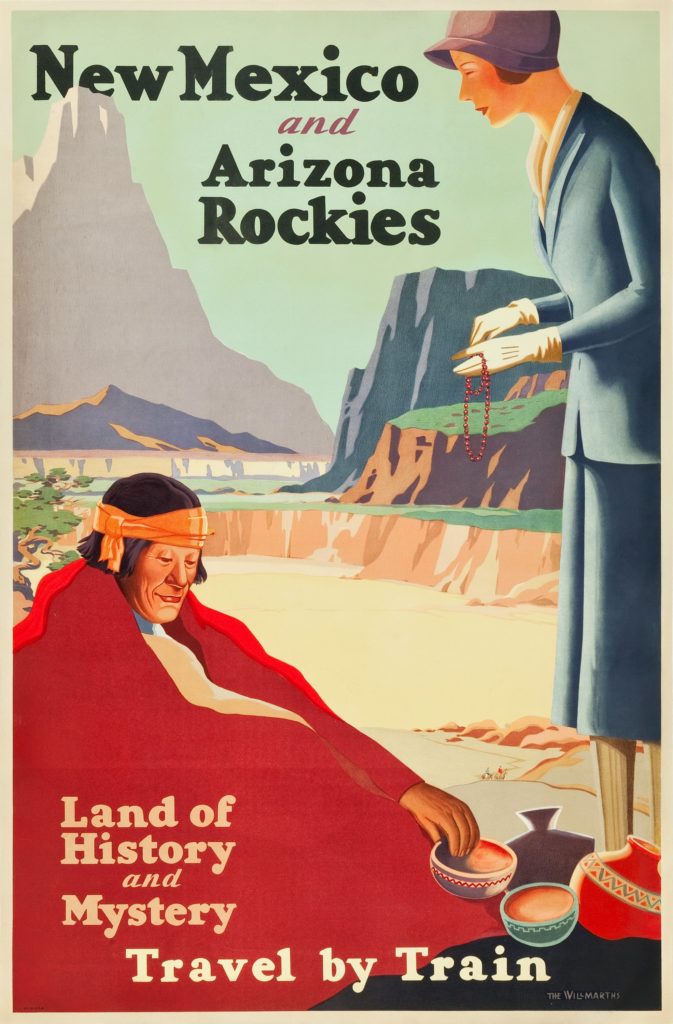
This Union Pacific poster, circa 1925, promotes travel by train to New Mexico and Arizona – “Land of History and Mystery.” It sold for $2,031 at a November 2014 Heritage auction.

By Jim O’Neal

In 1919, America, now rapidly becoming mechanized, seemed to be filled with people inclined to travel. There was an abundance of money, and new transportation technologies were eager to provide alternatives to existing modes of travel. World War I was over and soldiers had returned home flush with cash and eager to join the social changes under way. A Model T Ford or Chevrolet 490 cost less than $400 … little more than three months’ pay.

Four million cars were already in use and Ford was selling 600,000 more each year. One in eight Americans owned a car and this would increase to one in six in the 1920s. Farmers were buying small trucks – 250,000 in use by 1916 – to haul produce to market and fertilizer back to their farms.

The stagecoach had all but vanished, but there were still 20 million horses conveying people or goods. Bus services were popping up to serve the less affluent. The joy ride was a hot, new leisure concept and the invention of the taximeter enabled motorcar taxi service in most cities. The roar of the Roaring Twenties was a combination of the internal combustion engine combined with the jazz bands on dance-hall floors and the din from speakeasies.

Amidst all this frenetic energy was a national disgrace: America’s roads.

There were plenty of them – some 3 million miles in total, but only 369,000 in 1919 were paved with any kind of durable, lasting surface. The rest were mostly dirt roads that were too often simply chassis-deep mud. They were plagued with hundreds of broken bridges or faint trails of blowing desert sands that quietly vanished, leaving travelers utterly lost.

Bad roads were a perpetual hindrance to trade, an abiding nuisance to agriculture and a profound inconvenience to the traveling public. One congressional report noted it cost more to move a peach from a Georgia orchard 20 miles to Atlanta by road than 3,000 miles by rail from California to New York.

Lobbying groups of drivers and car manufacturers were proliferating in Washington, D.C., primarily to get the federal government to assume national responsibility and eliminate the pervasive cronyism and corruption that existed in state legislatures. Most of this was ineffective since lobbyists hadn’t perfected their skills ($$$). However, help arrived from a totally unexpected source.

The War Department was developing plans to protect the West Coast from attacks from unspecified Asian enemies, a thinly veiled euphemism for Japan. Specifically, the war-gamers needed to know how quickly fully equipped soldiers could travel from the big Army bases on the East Coast to a hypothetical battlefield in the West.

A top-level decision was made to perform a real-life test to verify the time and feasibility involved. Fortunately, a quiet major volunteered to accompany the expedition strictly as an observer. His name was Dwight David Eisenhower.

Tomorrow: The creation of America’s Interstate Highway System – the greatest engineering project in world history.

Jim O'NielIntelligent Collector blogger JIM O’NEAL is an avid collector and history buff. He is President and CEO of Frito-Lay International [retired] and earlier served as Chairman and CEO of PepsiCo Restaurants International [KFC Pizza Hut and Taco Bell].
Who Has Stronger Claim to ‘Father of the American Navy’?

john-paul-jones
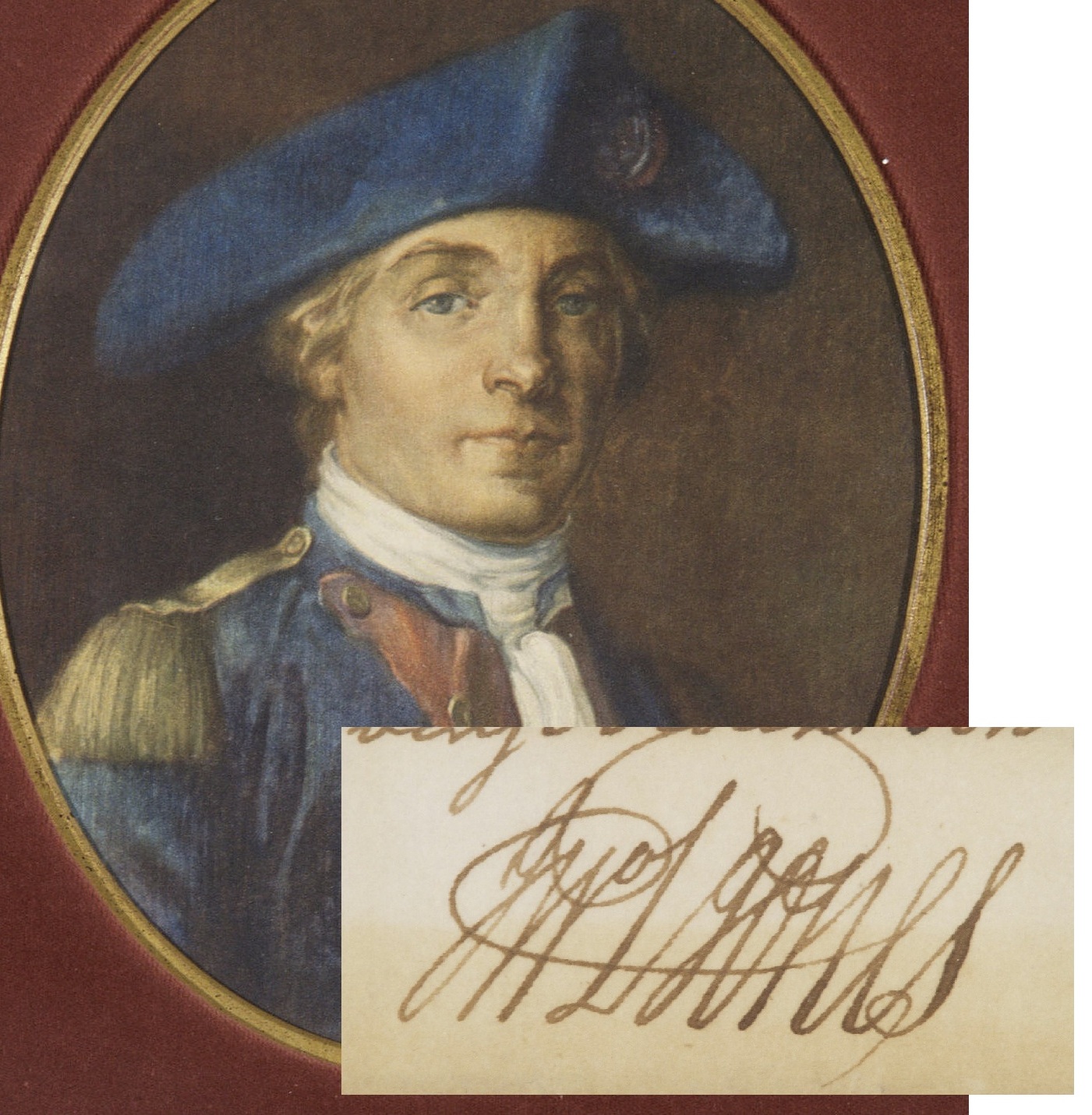
A signature of John Paul Jones removed from a letter sold for $4,600 at an April 2005 Heritage auction.

By Jim O’Neal

John Barry was a naval officer during the Revolutionary War and was issued commission No. 1 by President George Washington. This resulted in him becoming a commodore.

John Hancock – president of the Continental Congress – gave him a captain’s commission in 1776 and many consider Barry “the Father of the American Navy,” despite his relative anonymity today.

Another naval commander of the Revolutionary War, John Paul (he later added “Jones” to elude authorities after a duel), was born in Scotland in 1747 and became a sailor at age 13.

John Paul Jones joined the American Navy and made his fame in 1779. He was commanding an old French merchant ship refitted and renamed the USS Bonhomme Richard (in honor of Ben Franklin’s “Poor Richard”) when he engaged a British warship in the North Sea.

During the ensuing battle with the HMS Serapis, 300 of 375 American seamen were killed or wounded. Jones’ ship sustained such heavy damage that it sank the following day.

At some point in the battle, the British asked if the Americans were ready to surrender. It was in this situation when JPJ famously replied:

“I have not yet begun to fight!”

Perhaps this legendary quote is why he shares the title with John Barry as “Father of the American Navy.”

You decide.

Jim O'NielIntelligent Collector blogger JIM O’NEAL is an avid collector and history buff. He is President and CEO of Frito-Lay International [retired] and earlier served as Chairman and CEO of PepsiCo Restaurants International [KFC Pizza Hut and Taco Bell].
For Champions, Doing the Impossible is Always Possible

1972-topps-roger-staubach-200-psa-mint-9
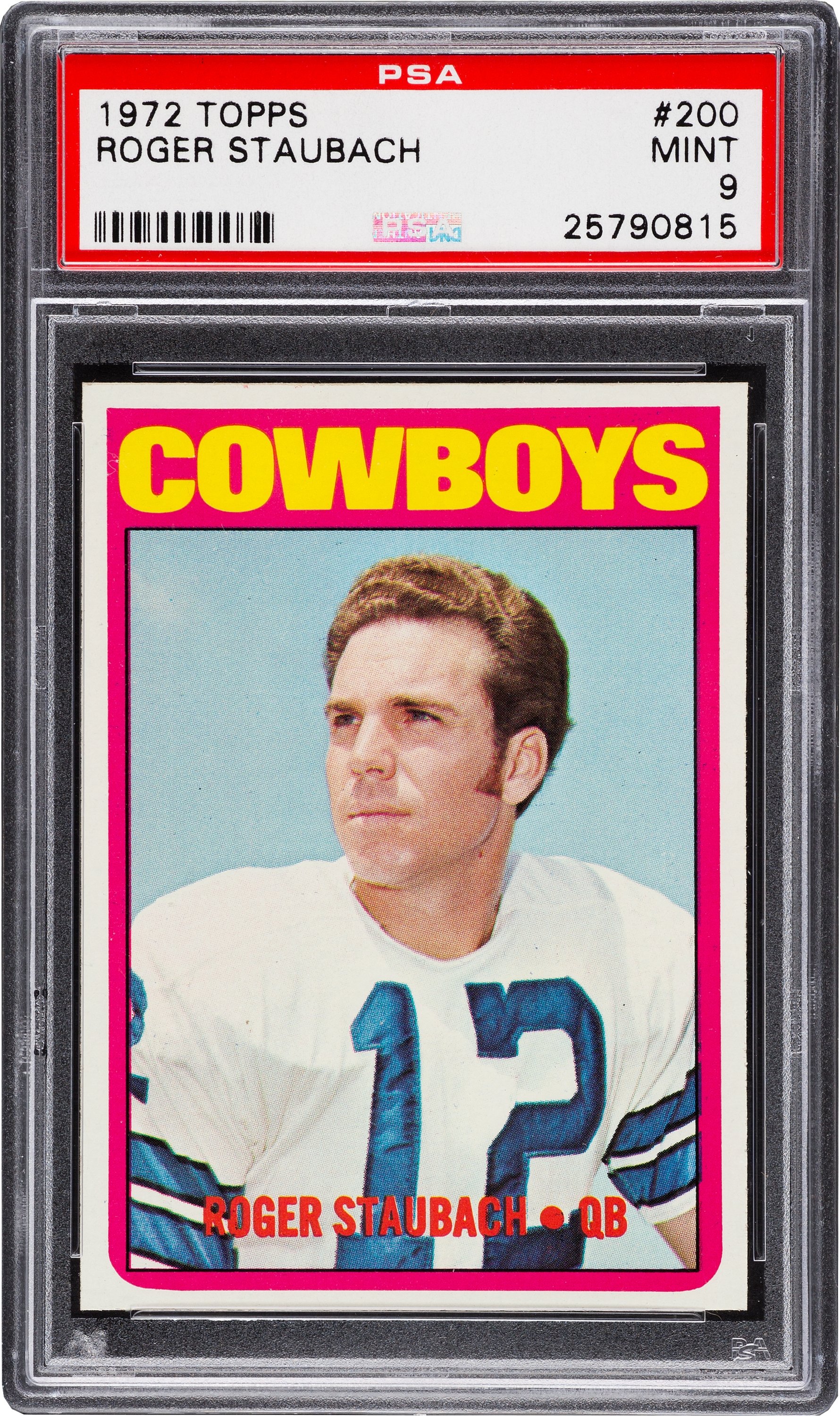
Roger Staubach’s 1972 Topps rookie card, graded PSA Mint 9, sold for $14,340 at an August 2016 Heritage auction.

By Jim O’Neal

There were only 32 seconds left in a 1975 playoff game and the Dallas Cowboys seemed hopelessly beaten, trailing the Minnesota Vikings 14 to 10, with no timeouts and the ball at midfield.

Roger Staubach lofted a bomb to Drew Pearson, which he caught with one hand, the ball pinned to his hip, and made it into the end zone.

After the 17-14 win, Staubach said, “You throw it up and pray he catches it. I guess it’s a Hail Mary pass.”

And that’s exactly what such plays are still called today.

♦♦♦

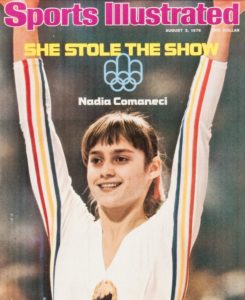
It was July 1976 and the location was the Summer Olympic Games in Montreal.

A 14-year-old gymnast from Romania had just completed one of the team compulsory events on the uneven bars. The routine looked great until her score was posted: 1.00.

nadia-comaneciEveryone was confused until they realized the scoreboard clock should have displayed 10.00, a feat that had never been achieved in modern Olympic history. Then the crowd went wild.

It seems that Omega had been instructed to assemble a clock with only three digits as a four-digit score was considered impossible. So when all the judges awarded Nadia Comaneci all 10s … well, you get it.

She would earn a 10.00 six more times. And since the minimum age limit to compete is now 16, it appears she has a few records that will never be equaled.

Jim O'NielIntelligent Collector blogger JIM O’NEAL is an avid collector and history buff. He is President and CEO of Frito-Lay International [retired] and earlier served as Chairman and CEO of PepsiCo Restaurants International [KFC Pizza Hut and Taco Bell].
Cal Rodgers’ Bizarre Flight Mostly Forgotten to Aviation History

the-wright-brothers-original-fabric-from-the-vin-fiz
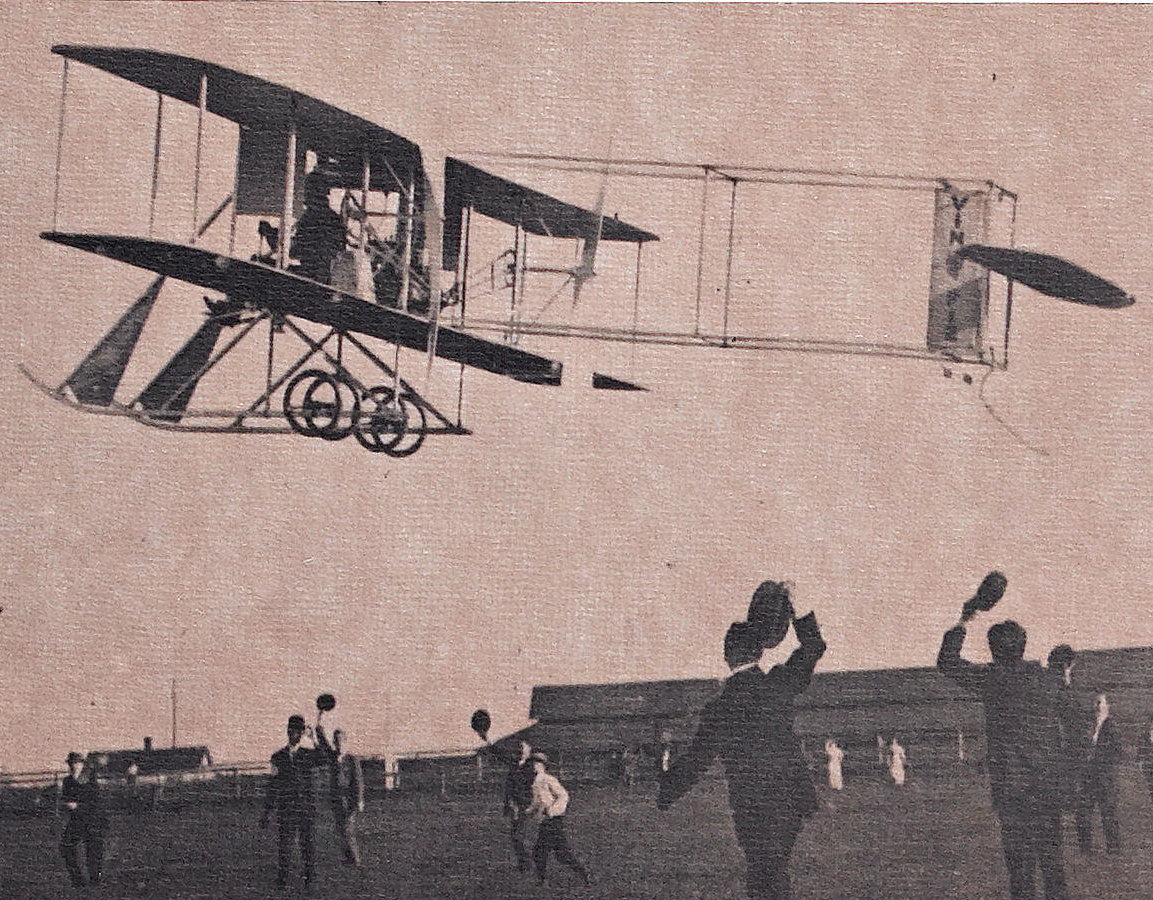
Calbraith Perry Rodgers made the first transcontinental airplane flight in the Vin Fiz Flyer.

By Jim O’Neal

Before Ben Sliney made the decision to close all the airports in 2001 (see yesterday’s post), most aeronautical efforts were focused on inventing flying machines that would go faster and higher.

Orville and Wilbur Wright were brothers from Ohio who worked on printing presses, motors and bicycles. On Dec. 17, 1903, near Kitty Hawk, N.C., they made the first controlled, sustained flight of a powered, heavier-than-air aircraft. Two years later they perfected controls to make fixed-wing powered flights feasible.

Less than eight years later, William Randolph Hearst offered a prize of $50,000 to the first flier to cross the United States between New York and Pasadena (going either way) within 30 days.

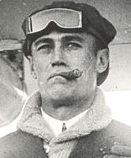
Three men actually tried. One was a race driver, another a jockey, but both failed. The third aspirant, a flamboyant, cigar-chomping showman named Calbraith Perry Rodgers, decided to try despite just learning how to fly. His only lesson was a 90-minute session with Orville Wright, but it was enough for him to receive the 49th license to fly.

By chance, the Armour Meat Co. had developed a soft drink called Vin Fiz that was wildly unsuccessful. In desperation, they hatched a marketing plan to sponsor Cal Rodgers’ flight and it was equally bizarre.

They named the plane Vin Fiz, plastered it with advertising signs and put an oversized bottle between the two wheels. Then they designed a special train to trundle beneath the plane’s flight, loaded with every possible spare part, and Cal’s wife!

cal-rodgers
Cal Rodgers

People all over the country would be exposed to the Vin Fiz brand.

One minor detail was that the offer had a one-year expiration clause and by the time all the preparations were complete, Cal only had 43 days to make the entire trip. Undaunted, on Sept. 17, 1911, Rodgers climbed aboard, shorted the magneto, pulled the choke cable, released the brake and took off. Within 10 minutes, the speck in the sky was gone from view.

In the end, he failed. He made it to Pasadena 19 days too late to win the prize money. However, he pressed on and dipped his wheels in the water at Long Beach, thereby becoming the first man to fly from one coast to the other in just 19 weeks. Thousands more would follow this true adventurer’s aerial footsteps, until Ben Sliney issued his famous order to all aircraft 90 years later. One opened the skies and the other closed them, yet neither are well known.

The Vin Fiz Flyer is on display at the Smithsonian National Air and Space Museum and 12 Vin Fiz 25-cent stamps are known to exist. One sold for $88,000 in 1999. The Vin Fiz grape drink finally fizzled out.

Jim O'NielIntelligent Collector blogger JIM O’NEAL is an avid collector and history buff. He is President and CEO of Frito-Lay International [retired] and earlier served as Chairman and CEO of PepsiCo Restaurants International [KFC Pizza Hut and Taco Bell].